11 Ways Convenience Culture Changed Families Over the Years
Convenience used to mean saving a little time. Now it shapes how families eat, talk, shop, travel, rest, celebrate, and even solve problems. A few generations ago, many households were built around shared chores, slow meals, long conversations, and routines that required patience. Today, almost everything has a shortcut, from dinner delivery to grocery apps, streaming entertainment, digital calendars, instant messages, and one-click purchases.
This shift has made family life easier in many ways. Parents can order school supplies at midnight, teenagers can finish homework on a laptop, and grandparents can video call from another city. But convenience has also changed the emotional rhythm of the home. It has made some families faster, busier, more independent, and sometimes more disconnected. The modern family has sped up, but in some cases, it has lost a little of its stillness along the way.
Family Meals Became Faster and Less Formal

The family dinner table used to be one of the strongest symbols of home life. People gathered, served food from shared dishes, talked about the day, and stayed seated long enough for stories to unfold. Convenience culture changed that rhythm. Frozen meals, takeout, delivery apps, drive-through dinners, and microwave snacks made eating faster, easier, and more individual. Now one person may eat in the car, another in front of the television, and someone else at a desk with a laptop open.
This change is not always negative. Busy families need practical solutions, especially when work, school, traffic, and activities stretch the day thin. The problem begins when fast-food habits completely replace shared food moments. Meals are more than calories. They are tiny family meetings disguised as dinner. When everyone eats separately, families lose one of the easiest chances to reconnect. Convenience filled the stomach faster, but it sometimes emptied the room.
Chores Became Easier, but Teamwork Became Weaker
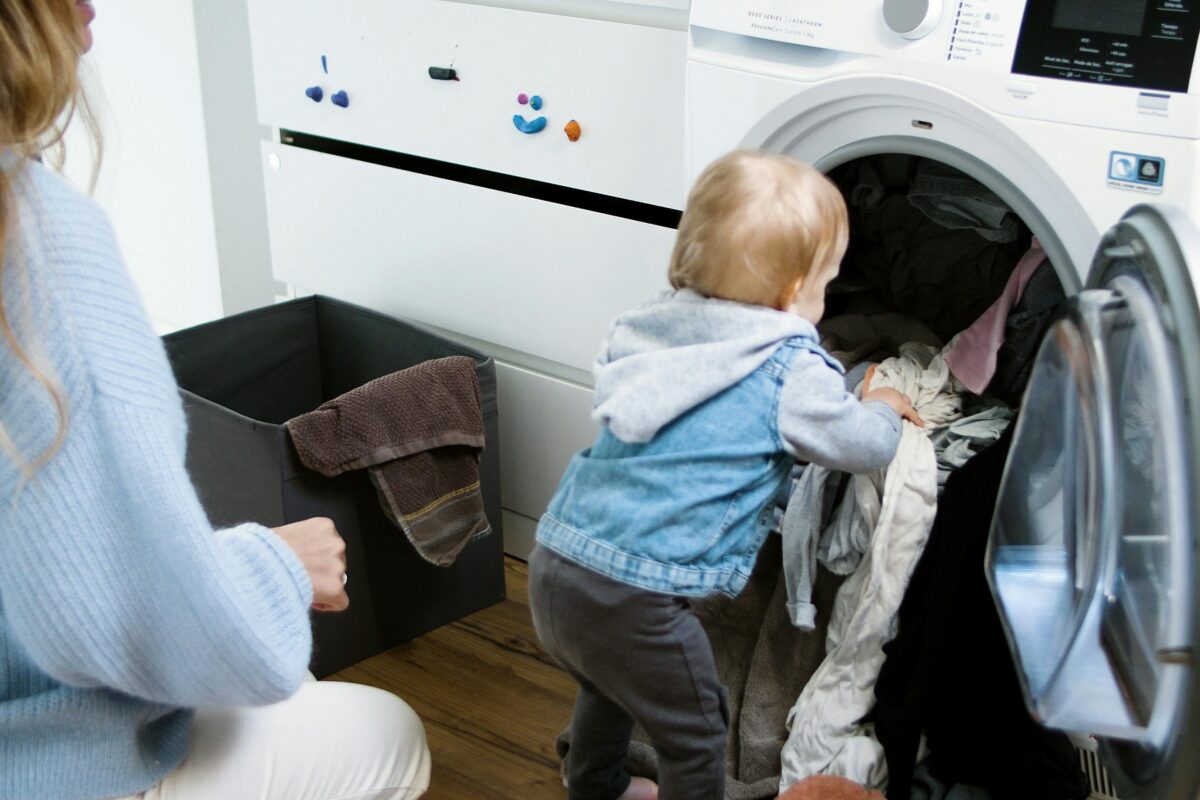
Modern homes have machines and services that earlier families could only dream about. Washing machines, dishwashers, robot vacuums, food processors, grocery delivery, and cleaning services have reduced the physical burden of household work. That progress matters. It saves time, protects energy, and makes life more manageable for parents, caregivers, workers, and older adults. Nobody should romanticize the exhaustion of doing everything by hand.
Still, old household chores once created a kind of built-in teamwork. Children helped set tables, fold clothes, wash dishes, sweep floors, or carry groceries. Those tasks taught responsibility, patience, and cooperation. Convenience can make the home run more smoothly, but it can also eliminate small opportunities for family members to work together. When everything becomes automated or outsourced, kids may grow up seeing comfort as automatic rather than earned. A home needs ease, but it also needs shared effort.
Shopping Turned Into a One-Click Habit

Shopping used to be an outing. Families made lists, compared prices, visited stores, carried bags, and often talked through choices together. Convenience culture moved much of that process into phones and laptops. Clothes, groceries, gadgets, toys, medicine, furniture, and birthday gifts can now arrive at the door without anyone leaving the couch. This has helped busy families manage time and avoid unnecessary stress.
The downside is that buying has become almost too easy. Children now grow up in homes where wants can become purchases in seconds. Parents may spend more without feeling the weight of the transaction because digital payments feel less real than handing over cash. Families also lose some of the patience that came with waiting, saving, and choosing carefully. Convenience made shopping smoother, but it also made impulse spending feel normal. The doorbell became the new shopping cart.
Entertainment Moved From Shared Rooms to Separate Screens

There was a time when family entertainment meant gathering around one television, playing board games, telling stories, listening to the radio, or going outside together. Everyone negotiated what to watch or do because there were fewer options. Convenience culture changed that completely. Now every family member can stream a different show, play a different game, scroll a different feed, or watch videos alone in a separate room.
This gave people more freedom, which can be wonderful. Nobody has to suffer through a show they hate just because someone else controls the remote. But separate entertainment can weaken shared memory. Families used to bond over the same movie night, the same music, the same jokes, and the same silly arguments about what to watch. Today, people can live under one roof while living in completely different digital worlds. Convenience expanded choice, but it also made togetherness easier to avoid.
Communication Became Instant but Often Less Personal
Text messages, voice notes, family group chats, video calls, and location sharing have made communication faster than ever. Parents can check on children quickly. Siblings can send jokes across countries. Grandparents can see photos instantly. In many ways, technology has helped families stay connected across distance, time zones, and busy schedules. A simple message can calm worry and keep people involved in each other’s lives.
But instant communication can also become shallow communication. A heart emoji may replace a real conversation. A quick reply may replace a thoughtful check-in. Family members may know where everyone is but not how anyone truly feels. Convenience has made it easier to reach people, but not always easier to understand them. Real closeness still needs patience, listening, tone, eye contact, and emotional presence. A message can open the door, but it cannot always carry the whole relationship.
Parenting Became More Managed and More Pressured
Convenience culture gave parents tools that can genuinely help. Digital calendars track school events, apps monitor grades, online stores solve last-minute supply problems, and GPS tools bring peace of mind. Parents can order medicine, book appointments, find tutorials, and research solutions within minutes. These tools can reduce chaos and make family management feel less overwhelming.
At the same time, convenience has raised expectations. Parents are now expected to respond more quickly, plan better, supervise more closely, and solve problems immediately. A forgotten costume can be delivered overnight. A missed assignment can be checked online. A child’s location can be tracked at all times. This creates pressure to be constantly available and perfectly informed. Convenience promised to make parenting easier, but it also made many parents feel like they are always on duty.
Children Learned to Expect Immediate Answers
Children today can ask a question and get an answer in seconds. They can learn how to draw, cook, code, dance, build, or solve a math problem through a screen. That access is powerful. It can spark curiosity, support learning, and open doors that previous generations did not have access to. Convenience culture has made knowledge more democratic and more available.
The challenge is that instant answers can weaken patience. Children may become less comfortable sitting with confusion, trying again, or figuring things out slowly. Family members may also spend less time explaining things to each other because the internet is faster. A child who once asked a parent or grandparent for a story behind a recipe, tradition, or family memory may now search online instead. Convenience can feed curiosity, but it can also cut out the human connection that made learning feel personal.
Holidays Became Easier to Plan but Less Handmade
Convenience has transformed holidays, birthdays, graduations, weddings, and family celebrations. Decorations can be ordered in themed sets. Cakes can be delivered. Invitations can be sent digitally. Gifts can be shipped directly. Busy families can create beautiful events with far less stress than before. This is a gift, especially for people balancing work, caregiving, and tight schedules.
Still, some of the handmade warmth has faded. Earlier celebrations often involved family members cooking, decorating, cleaning, and preparing for days. Those efforts created anticipation and shared ownership. Now events can look perfect, but feel less personal. A family may have matching decorations and professional photos, but fewer memories of making anything together. Convenience made celebrations easier to produce, but sometimes harder to feel deeply.
Home Became More Comfortable but Less Active

Convenience culture brought comfort into the home in remarkable ways. Food delivery, streaming, online shopping, remote work, smart devices, and home services make it possible to do more without going anywhere. For exhausted families, this can feel like relief. A quiet night at home can be cheaper, safer, and easier than running around town.
But too much convenience can make family life more sedentary. People may walk less, cook less, explore less, and spend more time sitting in separate corners of the house. Children may have fewer outdoor adventures, and adults may lose the natural movement that came from errands, chores, and community life. Comfort is not the enemy, but constant comfort can shrink the family’s world. Sometimes families need to leave the couch, step outside, and remember that life is larger than the living room.
Family Roles Became More Flexible
Convenience culture has helped shift traditional family roles. Meal kits, online banking, delivery services, remote work, and household technology make it easier for different family members to share responsibilities. A working parent can manage groceries during a lunch break. A teenager can learn a recipe online. A grandparent can join family life through video calls. Tasks that once belonged to one person can now be spread more widely.
This flexibility can be healthy, but it can also create confusion if families do not communicate. When everything is easier to arrange, people may assume someone else has handled it. Bills, meals, appointments, chores, and errands can still fall unevenly on one person, even in a convenient household. The tools changed, but fairness still requires conversation. Convenience can support equality at home, but it cannot create it automatically. Families still need clear roles, gratitude, and shared responsibility.
Families Became More Connected to the World but Less Rooted at Home
Modern families are more connected to the outside world than ever. They follow global news, online trends, distant relatives, digital communities, and endless streams of opinions. This can make families more informed, open-minded, and culturally aware. A child in one city can learn about another country before breakfast. A parent can join support groups, take online classes, or build friendships beyond the neighborhood.
Yet this wider connection can sometimes weaken the feeling of being rooted at home. People may know more about online debates than they do about what a sibling is struggling with. They may follow strangers closely while missing quiet changes in the people at the dinner table. The world keeps entering the house through screens, deliveries, alerts, and updates. Convenience made the outside world easier to access, but families still need to protect the inner world of home. A house should not become just another place where everyone scrolls through somewhere else.
Conclusion
Convenience culture has changed families in ways that are both helpful and complicated. It has saved time, reduced physical labor, expanded access, improved communication, and made daily life easier for millions of households. For busy parents, working adults, students, caregivers, and long-distance relatives, many conveniences are not luxuries. They are survival tools.
But every shortcut has a shadow. Faster meals can mean fewer conversations. Separate screens can mean fewer shared memories. Instant shopping can weaken patience. Digital communication can look like closeness without creating a real connection. Convenience should serve the family, not replace the family.