8 Ugly Ways High Heels Hurt Your Body
High heels can make an outfit look expensive in five seconds. They can turn jeans into a statement, make a work dress feel sharper, and give a wedding guest that polished “I came prepared” confidence. Then the night ends, the shoes come off, and your feet feel like they have been negotiating with gravity for hours.
Most Americans know heels can hurt, but the deeper problem is sneakier. The pain does not always arrive as a single, clear warning sign. Sometimes it starts with burning toes, tight calves, sore knees, or an aching back, and you blame it on everything except the shoes. Here are the quiet ways high heels can punish your body before you finally connect the dots.
They make ankle twists easier than people realize
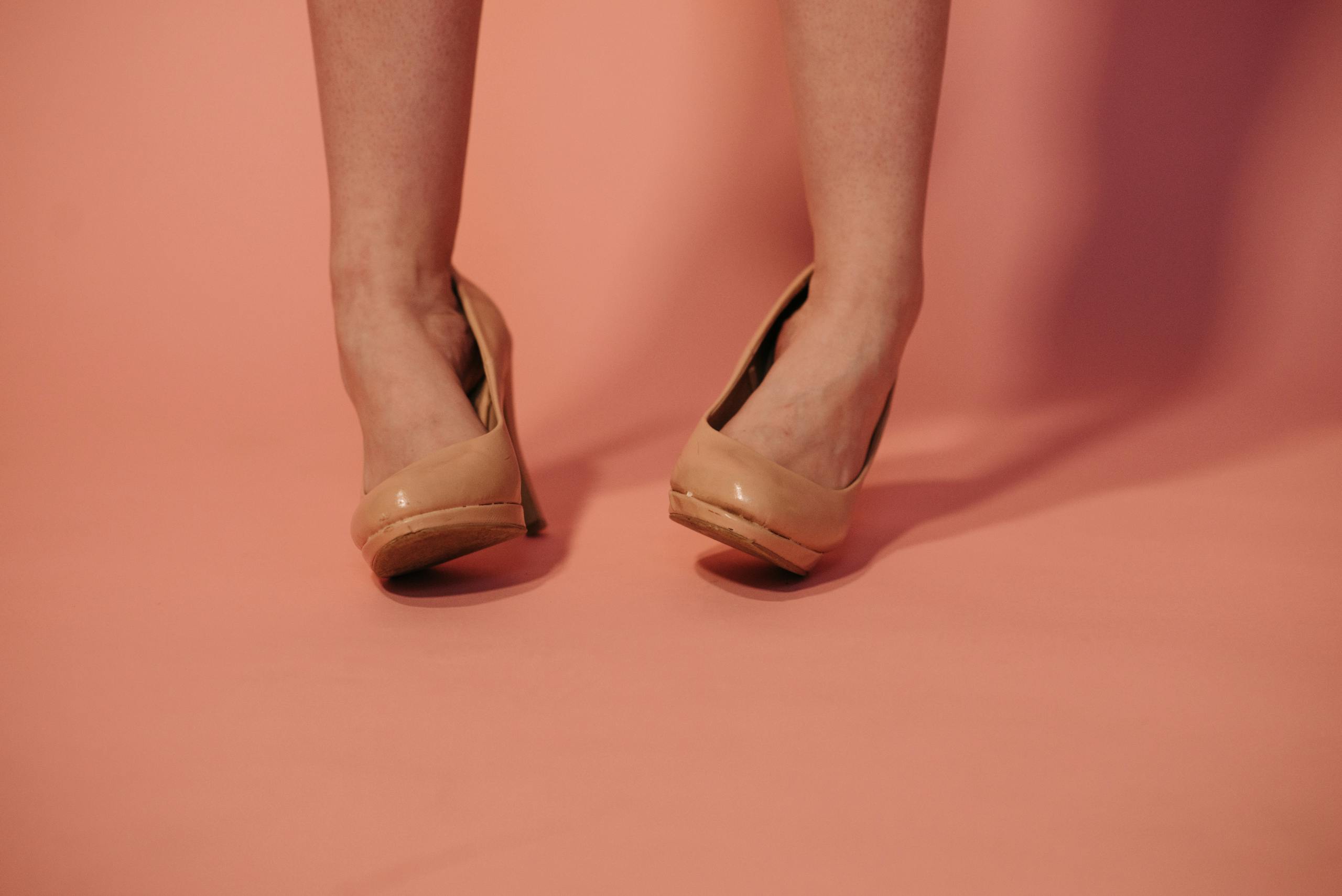
One tiny sidewalk crack can turn a confident walk into a painful story. High heels lift the heel and reduce stability. A thin heel gives the ankle even less room for error.
That is why sprains are so common in heels. Your ankle has to balance your body on a smaller base, often on floors, stairs, grass, parking lots, or uneven pavement. One bad step can lead to swelling, bruising, pain, or even a fracture.
They force your feet to carry weight in the wrong place.
Your feet were built to spread pressure across the whole foot. High heels ruin that balance fast. They tilt your body forward and push extra weight onto the ball of the foot.
That is why your toes may burn after a long workday, a dinner date, a church event, or a wedding reception. The front of your foot takes more pressure than it should, and the soft tissue starts to complain. Over time, that pressure can lead to soreness, calluses, blisters, and stubborn foot pain that does not disappear overnight.
They trap your toes in a shape they were never meant to fit.

A pointed heel may look sleek, but your toes know the truth. Most toes do not naturally fit into a tight little triangle. When the shoe squeezes them for hours, the damage can build slowly.
This pressure can worsen bunions, corns, hammertoes, and irritated joints. The big toe may get pushed inward, smaller toes may curl, and walking may start to feel uncomfortable even in regular shoes. That pretty shoe shape can quietly train your feet into a painful position.
They can make your toes feel numb, hot, or strangely tingly.
A numb toe can feel like a small problem until it keeps happening. High heels can squeeze nerves in the front of the foot, especially when the toe box is narrow. That pressure may create burning, tingling, or a sharp little zap between the toes.
This is one reason some people feel like they are stepping on a pebble even when nothing is inside the shoe. The nerve becomes irritated, and the foot starts sending strange warning signals. Ignoring that feeling can turn a small discomfort into a recurring problem.
They change the way you walk without asking permission.

High heels do not just change your height. They change your whole walk. Your steps usually become shorter, your ankles move less, and your body has to work harder to stay balanced.
That smooth heel-to-toe motion gets interrupted. Instead of walking naturally, you start managing the shoe with every step. This can make your legs feel tired faster and leave your muscles working harder than they should.
They put extra stress on your knees.
Your knees may not complain first, but they often join the argument later. High heels shift body position and alter the way force is transmitted through the legs. That extra pressure can make the knee joint work harder.
This matters because knees already endure significant daily stress from walking, climbing stairs, standing, and other forms of exercise. Add heels for long hours, and the joint may feel sore or stiff. People who already have knee pain may notice it sooner.
They can make your lower back ache.

High heels do not stop causing trouble at the ankle. They can change the angle of your hips and pelvis, which can affect your lower back. That posture may look elegant, but your back may read it as extra work.
The body tries to keep you balanced by adjusting muscle tension. Your lower back may tighten, your hips may shift, and your spine may carry stress less naturally. After hours in heels, that “mystery backache” may not be so mysterious.
They can leave your legs feeling heavy and tired.
That end-of-the-day leg heaviness isn’t always due to being busy. High heels can limit ankle movement, and your calves need that movement to help push blood upward through the legs. When the calf pump works less efficiently, your legs may feel more tired.
This does not mean heels alone cause every circulation problem. Still, they can add strain, especially when you stand for hours at work, events, or social gatherings. If your legs feel swollen, achy, or heavy after wearing heels, your body may be asking for a break.
The key takeaway

High heels are not automatically dangerous, but they are not harmless everyday shoes either. The risk grows when they are high, tight, narrow, unstable, or worn for too many hours. Your body usually gives early warnings through burning feet, sore knees, tight calves, numb toes, or an aching back.
You do not have to throw away every pair. Choose lower heels, wider toe boxes, cushioned soles, and shorter wear times. Keep a backup pair of flats when you know you’ll be walking or standing for a long time. A great outfit should turn heads, not leave your body paying for it the next morning.