10 Desperate U.S. Towns Paying People to Move There
Free money to move sounds like the kind of deal you should side-eye before you pack a single box. Yet across America, towns and smaller cities are dangling cash, housing assistance, student loan support, and welcome perks because they badly need new residents. Some want remote workers. Some want homebuyers. Others want skilled graduates who can bring income, energy, and long-term roots into communities that feel overlooked.
The offer can be tempting, especially when rent keeps punching holes in household budgets, and big-city living feels louder, tighter, and more expensive every year. Still, these incentives are not magic checks floating from the sky. They often come with rules, timelines, income requirements, and quiet expectations. Here are 10 places paying newcomers, and what the shiny relocation offer may really be saying.
Tulsa, Oklahoma, is tired of being overlooked.

Simon Maage/ Unsplash
Tulsa’s offer sounds friendly at first, then you realize how badly the city wants remote workers to stop treating it like a flyover punchline. The Tulsa Remote program gives eligible newcomers $10,000 to live and work there for a year, which makes the move feel less like a gamble and more like a paid experiment. The upside is real: lower costs, a growing social scene, and a city that has actually built a welcoming system for outsiders. The catch is just as real. You must bring your own remote job, settle into the community, and prove Tulsa is more than a cheap escape from bigger-city stress for at least one full year.
West Virginia is selling mountain life hard.
West Virginia is not whispering anymore. It is waving $12,000 in front of remote workers and daring them to trade crowded streets for mountain air, river trails, and a slower daily rhythm. The Ascend WV program sells the dream beautifully, especially for people who feel trapped between high rent and endless screen time. Still, the incentive reveals a sharper truth: stunning scenery does not automatically keep talent. The state is fighting for fresh residents, new spending, and long-term energy, so the money is less of a gift and more of an invitation to help rebuild momentum in its mountain communities.
Topeka, Kansas, wants workers who will stay.

Topeka’s relocation pitch is blunt enough to make people pause. The city offers up to $15,000 through Choose Topeka, usually tied to employment, proof of salary, and a real move to Shawnee County. That makes the program less like free money and more like a targeted talent hunt. Topeka wants workers who will show up, stay visible, buy groceries, pay rent or mortgages, and become part of the local economy. It can be a smart move for anyone tired of brutal housing costs, but it may feel too quiet for people who need the big-city noise, nightlife, and endless options every day to feel alive.
The Shoals, Alabama, is turning charm into bait.
The Shoals region in Alabama turns its musical history, river towns, and Southern calm into a relocation draw with a remote-worker incentive worth up to $10,000. Florence, Muscle Shoals, Sheffield, and Tuscumbia give the area more flavor than the typical small-town sales pitch, which helps the offer feel warmer than a plain cash handout. The catch is that this region is not pretending to be a massive metro. It wants people who can work from anywhere and still enjoy a quieter, community-heavy life. If you crave constant novelty, the charm may wear thin fast after the first sweet months, especially once reality settles in.
Paducah, Kentucky, wants more than laptop tourists.
Paducah makes its case with art, riverfront character, and a $5,000 cash incentive for remote workers who establish residency and stick around long enough to earn the second installment. That structure matters because the city is not trying to reward tourists with laptops. It wants residents who will bring income, foot traffic, and commitment to a creative small-city economy. Paducah can feel refreshing if you want galleries, walkable charm, and breathing room. It can feel risky if your social life depends on a packed calendar, endless restaurants, late nights, and the anonymity of a larger city.
Mattoon, Illinois, knows moving can feel lonely.
Mattoon, Illinois, goes after remote workers with a relocation package worth more than $10,000 per family, combining cash with local perks to make the first year feel less lonely. That tells you the town understands a hard truth about moving. People do not just need money for a truck. They need a gym, food spots, workspace, and small reasons to leave the house before homesickness settles in. Mattoon’s pitch is practical rather than flashy, which may be its strength. The warning is simple: perks can soften the landing, but they cannot manufacture belonging for you or replace a real local connection.
Hamilton, Ohio, is using student debt as a hook.
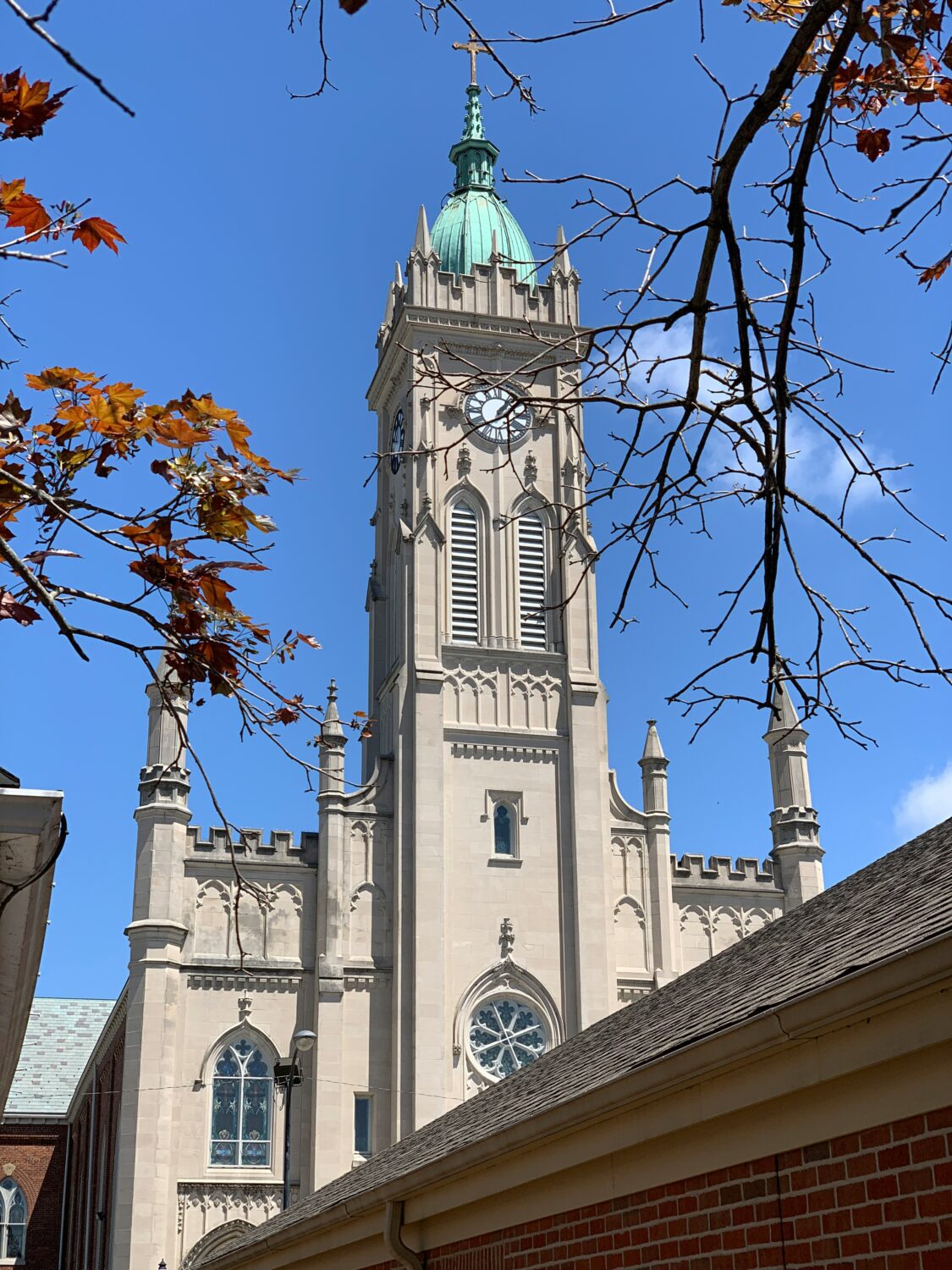
Hamilton, Ohio, uses student debt as the hook, which makes its offer hit differently. Its Talent Attraction Program Scholarship helps qualifying STEAM graduates repay loans when they move to Hamilton and work in the area, with awards reaching up to $15,000. That is not a broad welcome mat for anyone bored with their apartment. It is a calculated move to attract educated workers to a city that values skills, salaries, and long-term roots. For the right graduate, the money can ease real pressure. For everyone else, the fine print may shut the door before the dream begins, so eligibility matters.
Newton, Iowa, wants buyers, not browsers.
Newton, Iowa, is not chasing casual movers who want a quick adventure. Its housing incentive targets people ready to buy or build, offering a $10,000 cash incentive for qualifying homes valued at $240,000 or more. That gives the program a more serious tone than many remote-work programs offer. Newton wants households, not weekend energy. It wants neighborhoods filled, property investment, and residents who have a reason to stay after the excitement fades. The reward can help with a major purchase, but the decision still demands a bigger question: can you build a real life there beyond the check and the welcome package?
Jackson, Michigan, is rebuilding through homebuyers

Jackson, Michigan’s 100 Homes Program, is more intense than a cute relocation bonus. The city is using down payment assistance to help qualified buyers step into newly built homes, which turns the pitch into a neighborhood-building strategy. This is not about paying someone to rent for a year and disappear.
Jackson wants homeowners, stable blocks, and fresh life on lots that need purpose. The assistance can make ownership feel closer, especially for buyers squeezed by savings gaps. Still, housing aid comes with rules, income checks, and expectations that casual movers may not want to carry after closing.
Lincoln County, Kansas, is fighting population loss with perks
Lincoln County, Kansas, takes the small-town pitch almost to the edge of a movie scene, offering cash support and quirky benefits to remote workers willing to relocate. The appeal is obvious if you are tired of traffic, rent spikes, and pretending a crowded city still feels exciting. You get space, slower days, and the kind of community where people may actually know your name. That can be comforting or suffocating, depending on your personality. The bigger truth is that Lincoln County is not just selling peace. It is trying to reverse population loss by turning remote workers into neighbors who stay.
Conclusion
These towns are not paying people because moving is cute. They are paying because population, housing, workforce growth, and local spending matter. A newcomer with a steady job can help a small economy in ways that go far beyond a single signed lease or home purchase.
The smartest reader should treat every offer like a deal with fine print. The money can reduce moving stress, soften a down payment, or make a small-town experiment easier to try. Still, cash cannot replace culture fit, social connection, career security, or long-term comfort. A relocation check can open the door, but only the town itself can convince you to stay.