10 Human Foods That Can Poison Dogs Or Send Them To The Emergency Vet
A dog does not need to swallow a full plate of food to get into trouble. Some dangerous foods for dogs hide in everyday places, including purses, lunch bags, baking cupboards, trash cans, picnic tables, and “just one bite” leftovers handed under the dinner table. The real risk is that many toxic foods for dogs look harmless to people, so we often notice the danger after the dog has already eaten it.
Grapes and Raisins Can Trigger Kidney Failure
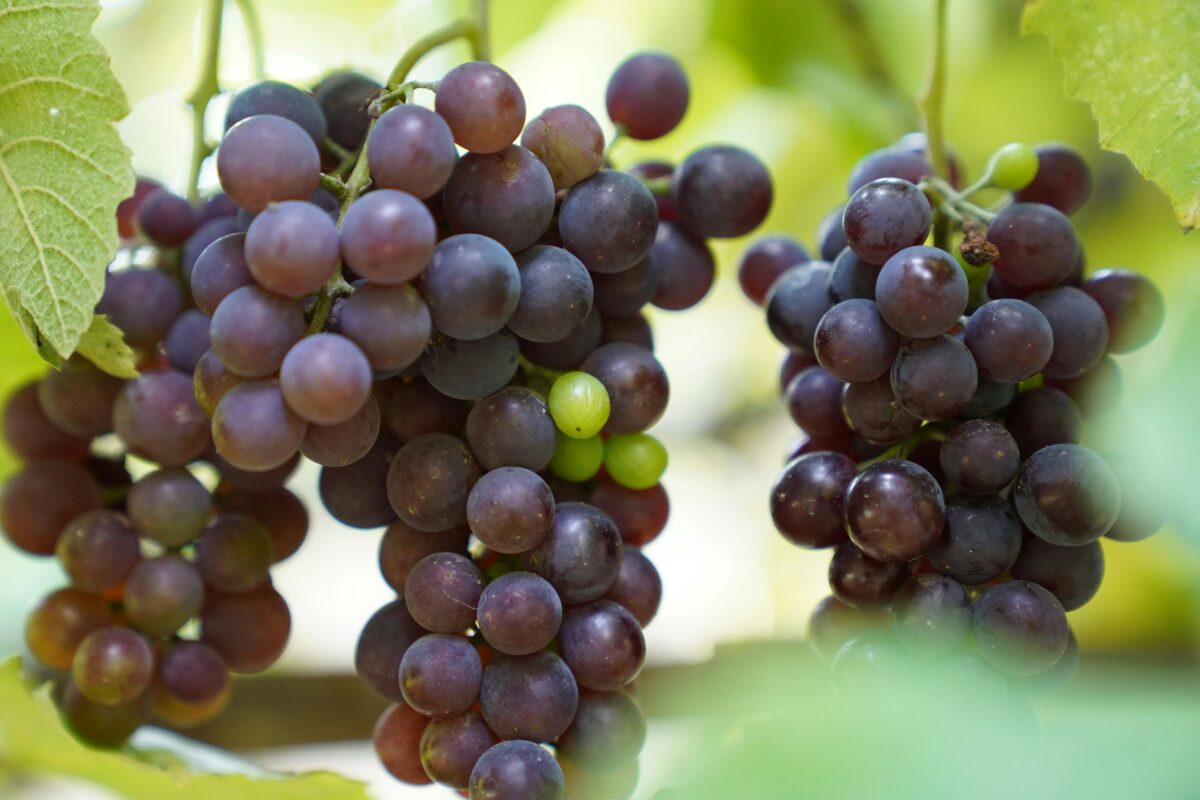
Grapes and raisins are dangerous because some dogs develop kidney injury after eating them, and the reaction is unpredictable. The risky category includes fresh grapes, raisins, sultanas, currants, grape juice, raisin bread, fruitcake, granola bars, trail mix, oatmeal cookies, and baked goods containing dried grapes. Merck Veterinary Manual states that grape and raisin ingestion has led to kidney failure in some dogs, and tartaric acid content may help explain why the effects vary from case to case.
The frightening part is that a dog may seem fine at first. Vomiting, poor appetite, tiredness, belly pain, increased thirst, reduced urination, or weakness can develop as kidney damage progresses. We should treat any grape or raisin exposure as urgent, especially in small, senior, or kidney-affected dogs. The goal is early veterinary care before kidney values climb.
Chocolate and Caffeine Can Overload the Heart and Nervous System
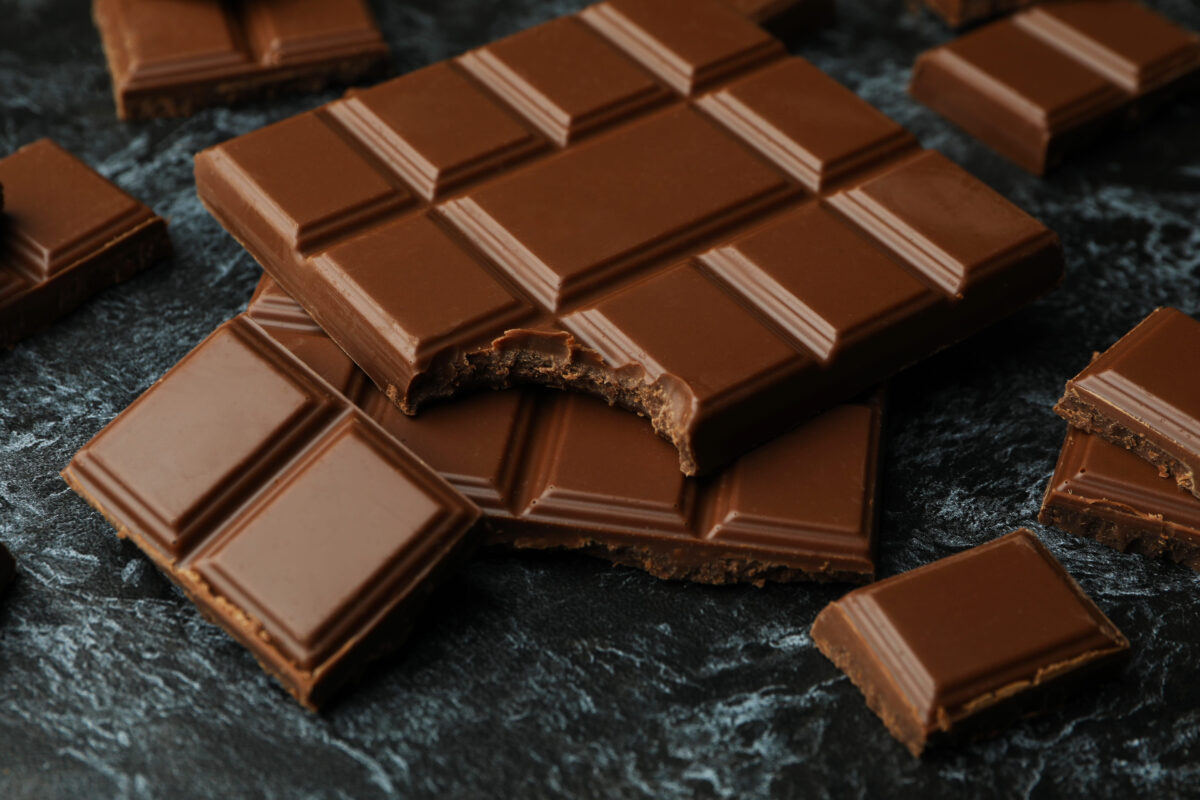
Chocolate is dangerous for dogs because it contains methylxanthines, especially theobromine and caffeine. Dark chocolate, baking chocolate, cocoa powder, and coffee-based products carry a higher risk because they contain stronger concentrations than milk chocolate. ASPCA notes that methylxanthines can cause vomiting, diarrhea, panting, excessive thirst, excessive urination, hyperactivity, abnormal heart rhythm, tremors, seizures, and even death.
The danger depends on the dog’s size, the type of chocolate type, and the amount eaten. A large dog that steals a small piece of milk chocolate may have a different risk level than a toy breed that eats a square of dark chocolate, but both cases warrant a call to a vet or a poison hotline. We should also watch hidden sources like chocolate protein bars, cocoa powder, brownies, mocha drinks, chocolate-covered espresso beans, and cacao mulch.
Onions, Garlic, Chives, and Leeks Can Damage Red Blood Cells
Onions, garlic, chives, and leeks belong to the allium family, and they can damage a dog’s red blood cells. The danger does not disappear when these foods are cooked, dried, powdered, or mixed into sauces. Onion powder, garlic powder, soup mixes, gravies, stuffing, seasoned meat, chips, dumplings, and leftover casseroles can all create problems because the toxic ingredient may be concentrated and easy to miss.
ASPCA warns that onions, garlic, and chives can irritate the stomach and damage red blood cells, which can lead to anemia. Symptoms may include vomiting, diarrhea, belly pain, weakness, pale gums, rapid breathing, dark urine, and unusual tiredness. We should be especially careful with holiday foods and takeout meals because allium seasoning often sits in the background where owners cannot easily see it.
Alcohol and Raw Yeast Dough Can Become a Double Emergency
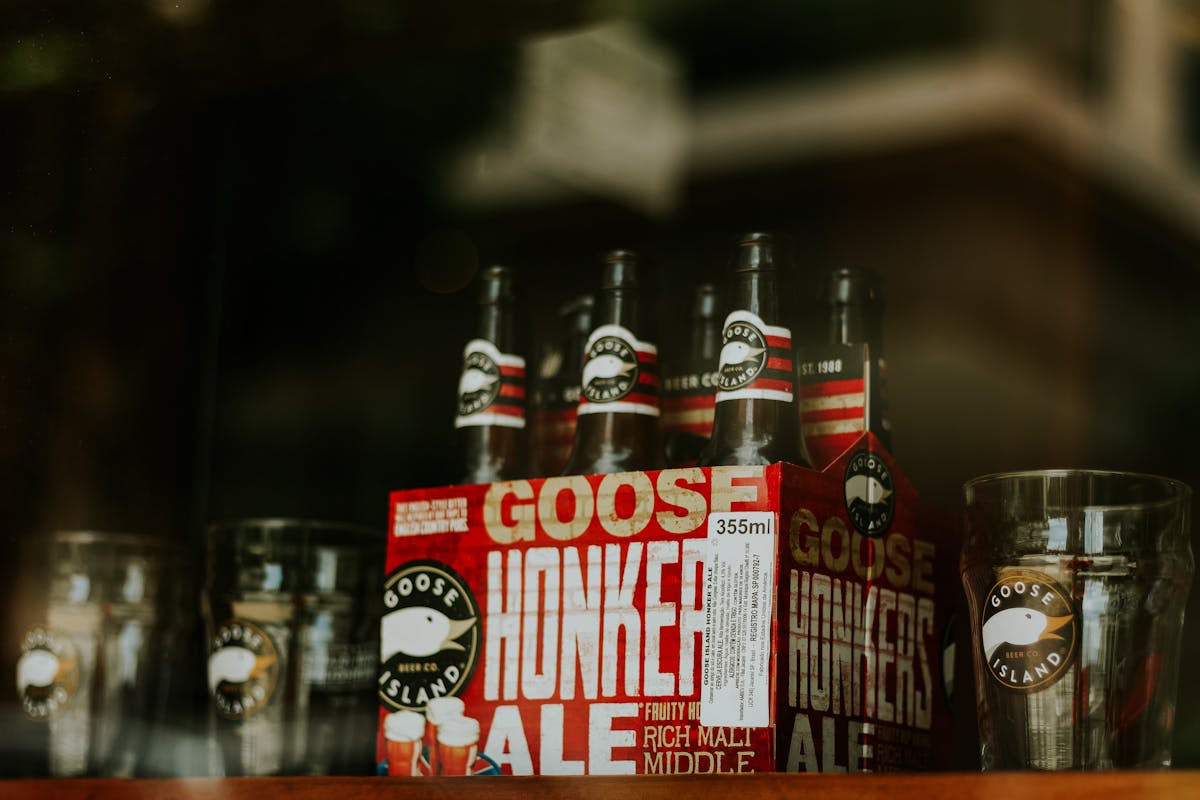
Alcohol is never safe for dogs. Beer, wine, cocktails, liquor soaked desserts, fermented fruit, and alcohol based sauces can affect a dog much faster than they affect a person. ASPCA lists vomiting, diarrhea, poor coordination, depression, breathing difficulty, tremors, blood pH changes, coma, and death as possible effects of alcoholic beverages and food products containing alcohol.
Raw yeast dough brings a second danger. It can expand inside the stomach, causing painful gas buildup and possible bloat, and the yeast can produce alcohol as it ferments. Merck explains that raw bread dough can cause a bloated stomach, metabolic abnormalities, central nervous system depression, disorientation, seizures, coma, and other severe signs. We should keep rising dough far from counters, warm ovens, and curious dogs.
Macadamia Nuts Can Cause Weakness, Tremors, and Fever
Macadamia nuts are not ordinary nuts for dogs. They can cause vomiting, depression, weakness, poor coordination, tremors, and hyperthermia. ASPCA says symptoms usually appear within 12 hours and recovery may occur within 24 to 72 hours, but affected dogs still need professional guidance because signs can be frightening and may overlap with other toxic exposures.
The hidden risk is that macadamias often appear in cookies, white chocolate treats, trail mixes, and holiday desserts. That means a dog may get hit with several hazards at once, such as fat, sugar, chocolate, raisins, or xylitol. We should store nut mixes and baked goods in sealed containers, not open bowls or low pantry shelves.
Fatty Leftovers Can Spark Pancreatitis
Greasy table scraps can do more than upset a dog’s stomach. Turkey skin, bacon, sausage, fried foods, buttery potatoes, gravy, rib fat, chicken skin, and oily leftovers can trigger vomiting, diarrhea, belly pain, poor appetite, and pancreatitis in sensitive dogs. VCA warns that excess fat can lead to pancreatitis, and fatty foods such as turkey skin or bacon can contribute to the condition.
This risk often spikes during holidays and parties because guests slip dogs “small treats” from multiple plates. One piece may look harmless, but several fatty bites can add up to a painful emergency. We should give dogs plain, pet-safe treats instead of scraps, and remind guests that a begging dog is not one that needs human food.
Cooked Bones Can Splinter, Block, or Puncture
Cooked bones are dangerous because they can crack teeth, splinter, lodge in the throat, block the intestines, or puncture the digestive tract. Chicken bones, rib bones, pork chop bones, steak bones, turkey bones, and leftover roast bones all belong in secure trash, not in a dog bowl. VCA notes that bones can fracture teeth, cause gut obstructions, and cooked bones are more likely to splinter and puncture the esophagus, stomach, or intestines.
The warning signs can include choking, drooling, gagging, vomiting, bloody stool, constipation, belly pain, restlessness, or refusal to eat. We should never assume a dog is safe because it swallowed the bone instead of chewing it. Some problems appear later, after the bone has moved deeper into the digestive tract.
Coffee, Tea, Energy Drinks, and Caffeine Products Are Not Dog Safe
Caffeine acts as a stimulant, and dogs are more sensitive to it than many people realize. Coffee grounds, tea bags, energy drinks, caffeine pills, pre-workout powders, espresso beans, and chocolate coffee snacks can cause restlessness, panting, vomiting, diarrhea, a racing heart, tremors, abnormal rhythm, and seizures. ASPCA groups chocolate, coffee, and caffeine together because their toxicity concerns come from methylxanthines.
We should pay close attention to trash cans after breakfast and study sessions. Used coffee grounds can smell interesting to dogs, and energy drink cans may be left within reach. Small breeds face a higher risk from smaller amounts, so every caffeine exposure deserves quick professional advice.
Avocado Is a Risky Treat, Especially Because of the Pit
Avocado is often considered healthy for humans, but it is not a good treat for dogs. The fruit can cause stomach upset, the high fat content can bother sensitive dogs, and the pit can become a choking or obstruction hazard. ASPCA notes that avocado is mainly a major concern for birds, rabbits, horses, and ruminants, but it still appears on pet food hazard lists because different animals react differently.
We should avoid giving dogs guacamole because it often contains onion, garlic, salt, citrus juice, and spicy ingredients. The safer choice is to skip avocado entirely and use dog-friendly snacks such as plain pumpkin, carrot pieces, cucumber, or apple slices without seeds.
Citrus Peels and Essential Oils Can Irritate Dogs
A small piece of orange flesh may only cause mild stomach upset in many dogs, but citrus peels, stems, leaves, seeds, and concentrated oils create a bigger concern. ASPCA says citrus plant parts contain citric acid and essential oils that can cause irritation and possibly depression if ingested in significant quantities.
The risky items include orange peels, lemon peels, lime wedges, essential oil residue, citrus-based cleaners, and fruit scraps left in bins. We should not let dogs chew peels like toys, lick essential oils, or raid compost piles where citrus scraps may sit with moldy food and other hazards.
Milk, Cheese, and Dairy Can Wreck Digestion
Dairy is usually more of a digestive problem than a classic poison, but it still causes trouble for many dogs. Milk, ice cream, cheese, whipped cream, cream sauces, and rich desserts can cause gas, diarrhea, vomiting, and abdominal discomfort. ASPCA explains that pets lack significant amounts of lactase, the enzyme needed to break down lactose, so milk and other dairy products can cause diarrhea or digestive upset.
The problem grows when dairy is combined with fat, sugar, chocolate, raisins, or xylitol. Ice cream may look harmless, but sugar-free flavors can contain toxic sweeteners, and chocolate flavors add another risk. We should use pet-specific frozen treats or small portions of plain dog-safe foods instead.
Salty Snacks and Processed Meats Can Stress the Body
Processed meats and salty snacks are poor choices for dogs because they often contain high levels of salt, fat, preservatives, spices, onion powder, garlic powder, or smoke flavoring. Bacon, hot dogs, deli meat, pepperoni, sausage, chips, pretzels, and seasoned jerky can cause thirst, vomiting, diarrhea, increased risk of pancreatitis, and problems for dogs with heart, kidney, or blood pressure issues. The FDA lists fatty foods, garlic, onions, salt, and salty snacks among foods that may harm pets.
We should be especially strict with dogs that already have kidney disease, heart disease, pancreatitis history, obesity, or diabetes. These dogs need food choices guided by a veterinarian, not random bites from a human plate.
The Safer Rule for Every Dog Owner
The most dangerous foods for dogs are often the ones people leave within easy reach. Sugar-free gum in a purse, raisins in a lunchbox, onion powder in gravy, chocolate on a coffee table, raw dough on a counter, and bones in the trash can all create emergencies before anyone notices. We protect dogs best by storing risky foods high, sealing trash, reading labels, warning guests, and choosing pet-safe treats instead of human leftovers.
A dog begging with big eyes does not need chocolate, grapes, bacon, garlic bread, or ice cream. It needs a safe snack, a clean water bowl, and an owner who treats “just one bite” with the seriousness it deserves.