10 Creepy Fairy Tales That Prove Bedtime Stories Were Never Safe
Fairy tales, once passed down through generations, were filled with unsettling elements, such as gruesome violence, betrayal, and supernatural forces. The stories we know today, often sanitized for children, mask the darker origins of these folktales. In the world of old folklore, magic was not a force for good, and the boundaries between life and death were disturbingly blurred. These tales were warnings, designed to teach lessons through shocking events and moral dilemmas that leave a lasting impression.
The Goose Girl Turns Royal Betrayal into a Horse Skull Nightmare
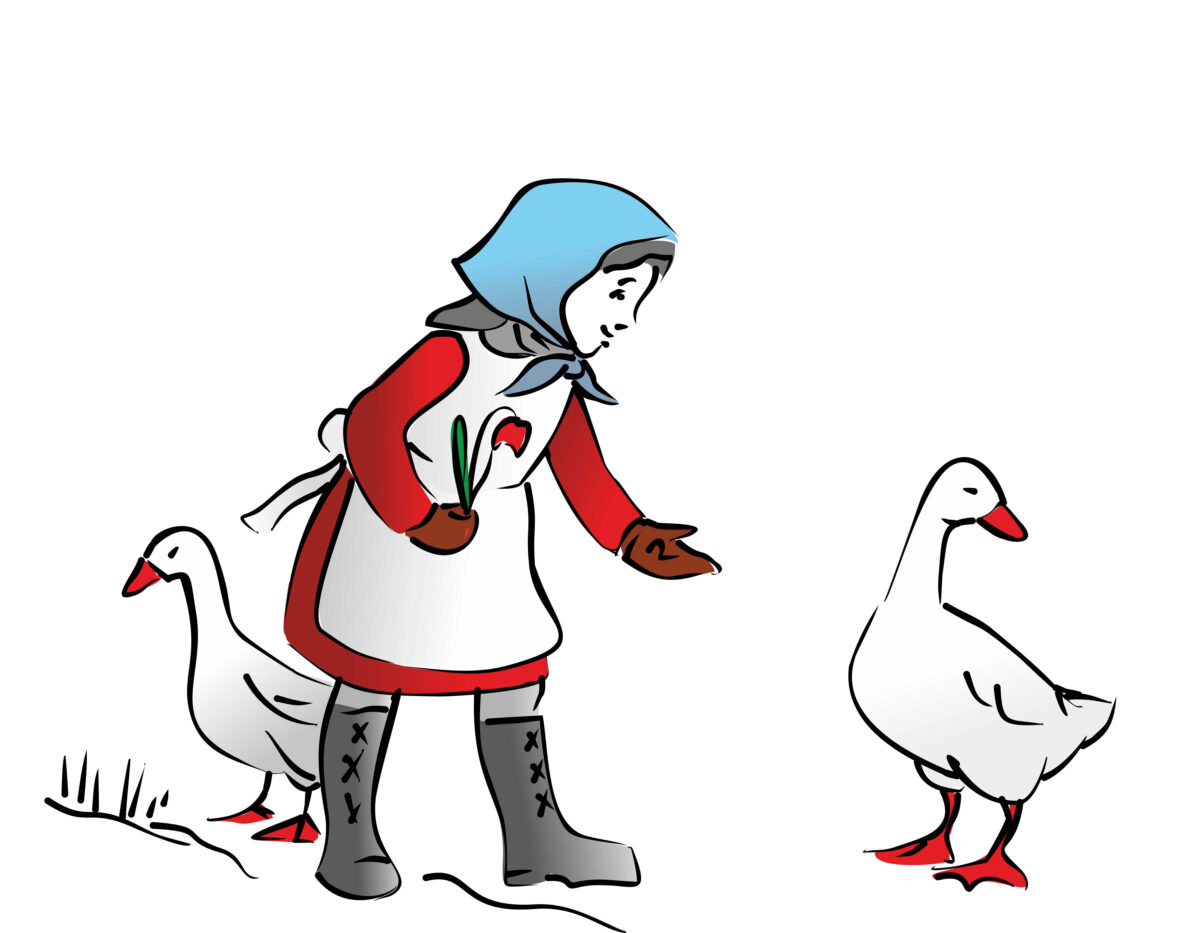
“The Goose Girl” is a story about deception and vengeance hidden beneath royal duty. A princess is forced into silence and stripped of her identity by a deceitful maid who switches places with her and marries the prince. The real princess is reduced to tending geese and loses her last friend, a horse that can talk. Despite being forced into a life of servitude, the princess speaks to the horse’s severed head, making the gate a haunting monument to betrayal and justice.
Hans My Hedgehog Makes Rejection Look Like a Monster Story
In “Hans My Hedgehog,” a man’s desperate prayer for a child is answered with a horrifying half-human, half-hedgehog son. Isolated and shunned, Hans is treated as a monster, only to later use his powers and intellect to manipulate kings and prove his worth. When the king who deceived him finally suffers the consequences of his actions, Hans turns his pain into powerful revenge. The tale highlights the consequences of rejecting someone for their difference and the darkness that grows from isolation.
The Girl Without Hands Is One of Grimm’s Bleakest Survival Stories

“The Girl Without Hands” is a grim reflection on survival and purity. A miller’s daughter is forced to lose her hands to a devil in exchange for her father’s greed, but she overcomes each obstacle with strength and perseverance. Her journey is one of immense suffering, as she flees, only to face more trials and manipulation. Ultimately, the tale questions the nature of purity and devotion, showing how both are tested by brutal circumstances and evil.
The Three Snake Leaves Turns True Love Into a Resurrection Trap
“The Three Snake Leaves” begins with an eerie pact of eternal devotion, in which a prince agrees to be buried with his wife if she dies before him. After her death, the prince uses magical leaves from a snake to revive her, only to find that she has lost her love for him and now favors another man. The transformation of the princess symbolizes the cold cruelty of resurrection and the dangerous consequences of promises made under duress. The story is a chilling reminder of the unpredictable nature of love and how it can turn when manipulated by supernatural forces.
Fitcher’s Bird Is a Murder House Tale With a Clever Heroine
“Fitcher’s Bird” spins a horrific tale of a sorcerer who kidnaps young women, locks them in a forbidden room, and forces them to face their doom. The story becomes a brutal test of trust, where the sorcerer’s victim must decide whether to obey or risk her life. Unlike her sisters, the youngest daughter outwits the villain by hiding the bloodied egg and ultimately saving herself and her siblings from death. In the end, the tale is about reclaiming power from a brutal fate and turning the tables on a predatory force.
The Singing Bone Lets a Murdered Brother Testify After Death

In “The Singing Bone,” a murdered brother’s bone becomes the voice of justice, singing the truth of his death. The younger brother, killed by his older sibling’s greed and jealousy, is avenged through an enchanted bone that exposes the crime. The story emphasizes the idea that truth will rise from the dead, even when buried deep in the earth. This tale delivers a powerful message about the persistence of justice, no matter how much time passes.
The Enchanted Tsarevich Makes Beauty, and the Beast Feel More Dangerous
“The Enchanted Tsarevich” mirrors the “Beauty and the Beast” tradition but adds layers of danger and emotional complexity. A princess is bound by a promise to marry a three-headed serpent, who proves to be both a terrifying and a tragic figure. As she navigates her strange new world, she learns the cost of loyalty and the price of breaking a bond. This tale explores how supernatural love stories are often built on impossible conditions, where both characters are bound by forces beyond their control.
Mother Holle Hides Cosmic Judgment Inside a Household Chore
“Mother Holle” hides an unsettling lesson behind the chores of a hardworking girl and the magical world of Frau Holle. A young woman is rewarded for her diligence with gold, while her lazy sister is punished with pitch after failing to meet the same standards. The magical and cosmic elements of this tale show how mundane acts of kindness or laziness can have consequences beyond the human world. In this story, chores are not just chores; they are tests of character with cosmic repercussions.
The Three Army Surgeons Is Body Horror Disguised as a Joke
“The Three Army Surgeons” is a gruesome tale wrapped in dark humor, where body parts are removed and replaced as part of an absurd wager. Three surgeons cut off their own body parts and replace them using magical salves, only to face the horrifying consequences of their vanity. The true horror of this tale lies not in the surgery but in the monstrous transformation that follows. It reminds us of the dangers of overestimating one’s ability to control life, death, and transformation.
The Mouse, the Bird, and the Sausage Is Absurd Until Everyone Dies
In “The Mouse, the Bird, and the Sausage,” a seemingly innocent trio of companions faces a catastrophic breakdown after a shift in roles. Their seemingly functional household falls apart when each member of the trio is convinced that they can do someone else’s job better, leading to chaos and destruction. This tale feels absurd but ends in darkly comedic tragedy, demonstrating how even the smallest changes in a working system can unravel it entirely. It serves as a warning about the destructive power of envy, greed, and miscommunication.
Conclusion
These creepy fairy tales endure because they tap into fundamental human fears: betrayal, rejection, isolation, and death. They deal with issues that feel universal, from the dangers of promises made under pressure to the consequences of family deceit. What makes them so unsettling is that they don’t offer easy answers or closure. Instead, they leave us with haunting images and moral lessons that are anything but comforting.