Rural America’s Housing Problem Is No Longer Hidden Behind the Pretty Scenery
The promise of rural America has always sounded simple. More space. Lower costs. Quiet roads. A house with room to breathe.
But for many families, that promise is getting harder to hold onto.
Across nonmetro America, the housing struggle is not just about finding a place to live. It is about whether that home is affordable, safe, complete, and large enough for the people living in it. The problem is often quieter than the housing crisis in big cities, but it can be just as severe. In small towns, a shortage of decent housing can decide whether a young family stays, whether a teacher accepts a job, whether an older resident can age in place, and whether a local employer can attract workers.
According to the USDA Economic Research Service, more than half of extremely low-income nonmetro renter households experienced housing insecurity. That means the rural housing issue is not only about rent prices. It also includes homes with serious physical problems, overcrowding, or costs so high that families have little left after paying for shelter.
Why it matters
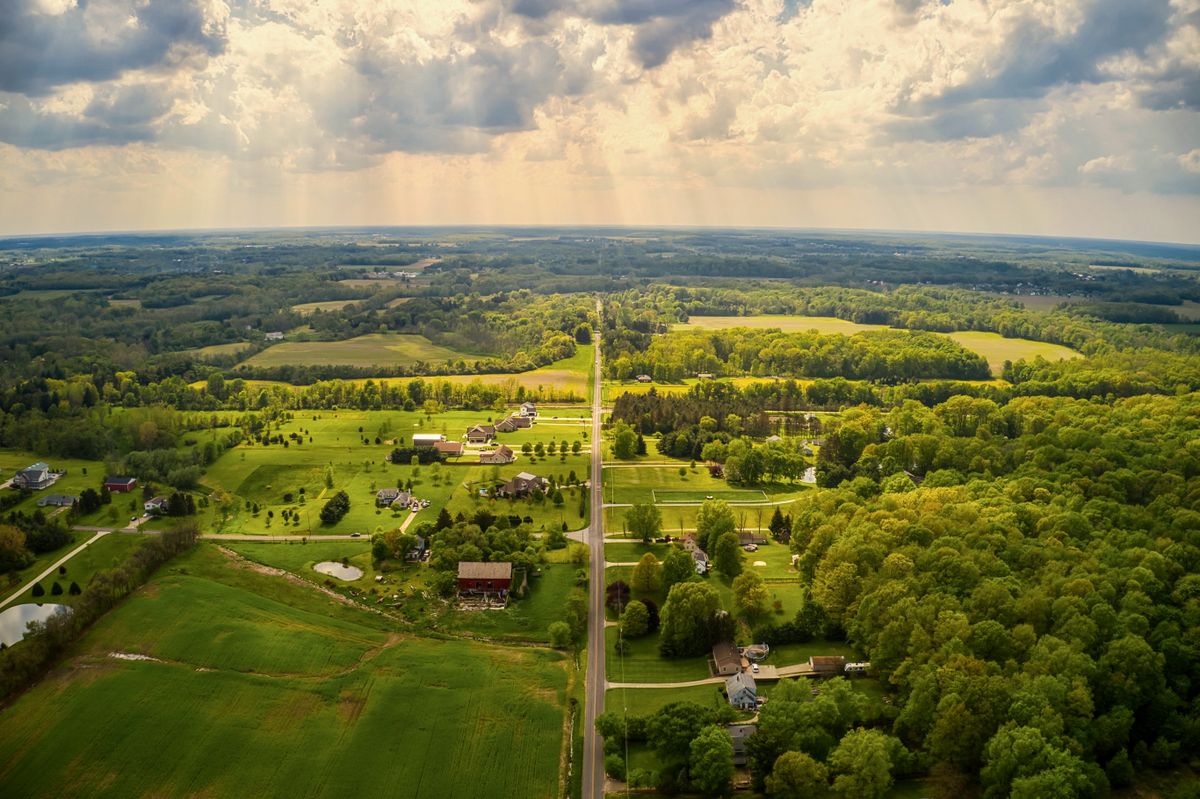
The rural housing crisis does not always look like a line of tents under an overpass or a bidding war in a major city. Sometimes it looks like a family staying in a house with poor plumbing because there is nowhere else to go. Sometimes it looks like a worker driving long distances because there are no rentals near the job. Sometimes it looks like grandparents, parents, and children are squeezing into one home because the market has nothing affordable available.
That is what makes rural housing insecurity so complicated. It is tied to income, distance, construction costs, aging homes, limited rental supply, and the slow pace of new development in many communities.
The USDA report describes housing insecurity as one of several pressures facing rural America, even as nonmetro areas have seen renewed population growth since 2020. That growth may sound like good news, and in many ways it is. More people can mean stronger schools, fuller churches, more shoppers on Main Street, and a better chance for small businesses to survive.
But growth also creates pressure.
When people move into rural counties looking for space, lower costs, or a slower pace of life, they do not just bring demand for homes. They compete with local families who may already be struggling with wages that have not kept up with housing costs. In popular recreation and retirement areas, the pressure can be even sharper. The same landscape that attracts newcomers can push prices beyond the reach of longtime residents.
For renters at the lowest income levels, the situation is especially hard. A household may find a unit, but that does not mean the unit is secure or healthy. The HUD CHAS data defines housing problems through issues such as incomplete kitchen facilities, incomplete plumbing, overcrowding, and cost burden. In plain terms, a home can fail a family in more ways than one.
A roof is not enough if the plumbing does not work.
A lower monthly rent is not enough if the family is packed into too little space.
A rural address is not automatically affordable if the rent or mortgage eats too much of the household income.
This is the part of the housing story that often gets missed. Rural America is sometimes described as an affordable alternative to city life, but affordability depends on wages, local supply, transportation, housing quality, and household needs. A cheap home that needs major repairs may not truly be cheap. A low rent that still takes half a paycheck may not be manageable. A house far from work, childcare, health care, or groceries can quietly drain a family’s budget through gas, time, and stress.
The stakes are high because housing is connected to almost everything else in a rural community.
A hospital trying to hire nurses needs places for them to live. A school district trying to recruit teachers needs homes that those teachers can afford. A farm, factory, or small-town employer may struggle to fill jobs if workers cannot find safe housing nearby. A young couple may leave for a metro area not because they dislike their hometown, but because they cannot find a starter home or rental that makes sense for them.
Older residents face another challenge. Many rural homes are aging, and repairs can be expensive. For seniors on fixed incomes, a leaky roof, failing heating system, or unsafe bathroom can become more than an inconvenience. It can threaten independence. If there are few contractors nearby, long wait times and high costs worsen the problem.
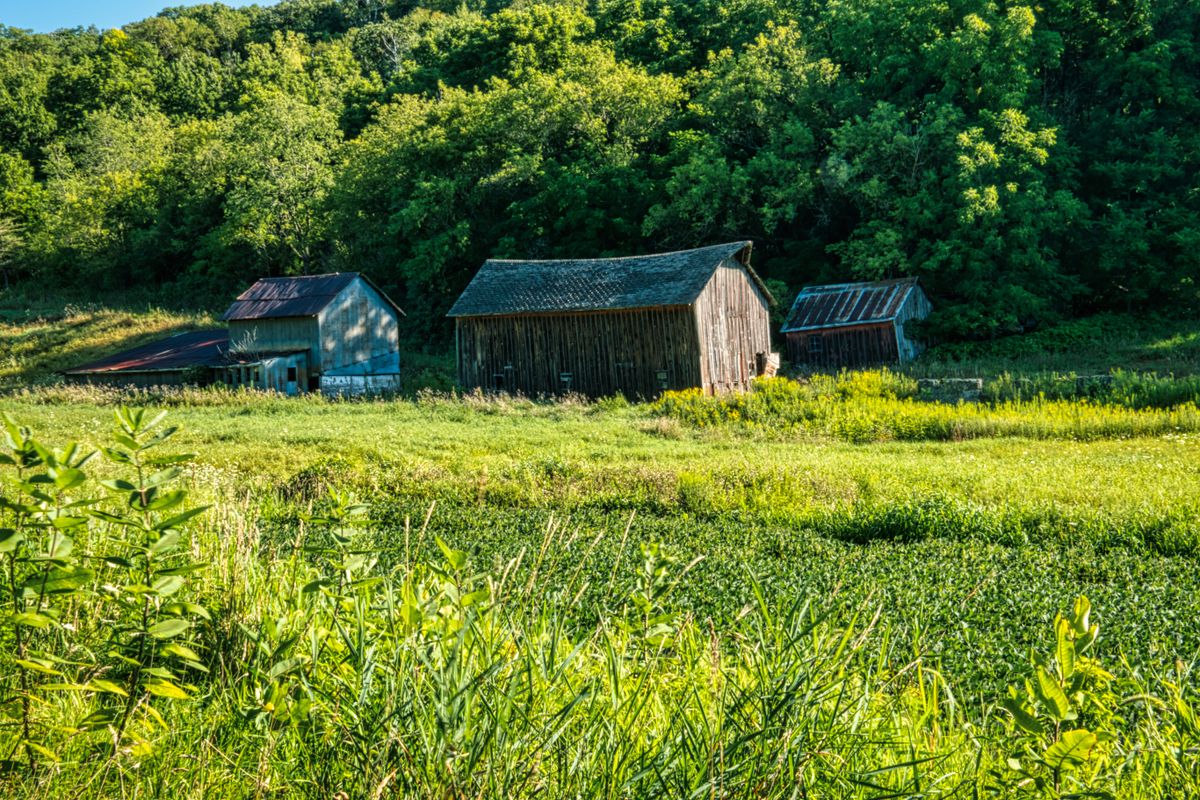
There is also a fairness issue. USDA’s research notes that housing insecurity is greater for some groups, including American Indian or Alaska Native households and Hispanic households. That matters because rural housing problems are not spread evenly. Some families face the combined weight of lower income, limited housing choice, older housing stock, and long histories of underinvestment.
The result is a crisis that can remain invisible until it shows up in other ways.
It shows up when workers leave.
It shows up when children move from one unstable living situation to another.
It shows up when local businesses shorten hours because they cannot staff positions.
It shows up when communities grow older because young families cannot afford to stay.
The rural housing conversation needs to move beyond the old idea that small towns are automatically cheaper and easier. Some are. Many are not. And even where prices look lower than in major cities, incomes may be lower too, homes may need more repairs, and the supply of rentals may be thin.
Rural America is growing again in some places, but growth without housing can become a burden instead of a blessing. If a county gains people but does not gain enough livable homes, the pressure spreads fast. Rents rise. Workers commute farther. Families double up. Employers struggle. The community may look stable from the outside while households inside are quietly stretched to the breaking point.
The real story is not just about houses. It is about whether rural communities can remain places where ordinary people can build a life.
A town can have beautiful land, strong traditions, and a proud history. But if the people who teach the children, care for the sick, serve the food, repair the roads, and keep the local economy moving cannot afford to live there, the future starts to narrow.
That is why rural housing deserves more attention now. Not after the next wave of population growth. Not after more workers leave. Not after more families are forced into unsafe or overcrowded homes.
The housing crisis in rural America may be quieter than the one in big cities, but quiet does not mean small. For many families, it is already at the front door.