
11 Everyday Things That Drive New Yorkers Absolutely Crazy
Living in New York City comes with its perks: culture, nightlife, and an energy unlike anywhere else. But the little irritations of city life have a way of gnawing at your patience, turning ordinary moments into full-blown frustration. Beyond the sky-high rents and crowded streets, there are dozens of subtle behaviors and missteps that can set off even the calmest New Yorker.
Even the most tolerant residents find themselves rolling their eyes or clenching their fists over simple, everyday infractions. The rhythm of the city depends on everyone following unwritten rules, and when someone deviates, the consequences are immediate.
Understanding these triggers is part survival guide, part social observation, and it’s a reminder that city life, for all its excitement, requires patience, awareness, and a bit of humor.
Slow-Moving Sidewalk Traffic

Few things spark instant irritation like a human traffic jam on the sidewalk. When a cluster of pedestrians drifts forward at a snail’s pace, it creates bottlenecks that ripple through the street, slowing everyone behind them. Sidewalk etiquette in New York is unspoken but universally understood: the right is for walking, the left for passing. When this balance is ignored, frustration builds quickly, particularly during rush hour when every second counts.
The impact goes beyond personal annoyance. Delivery workers, commuters, and tourists all share the same narrow pathways, so slow walkers create chain reactions that extend the inconvenience. While some are genuinely distracted, others block the flow, unaware of the chaos behind them. For New Yorkers accustomed to efficiency and constant movement, this simple disruption feels like an assault on city rhythm.
Misused Elevator Buttons
Elevators, small but vital, are arenas for frustration. When people hit the wrong floor or repeatedly change their selection, it inconveniences everyone else, creating unneeded stops and delays. This is especially grating in high-rise buildings where time is precious, and patience wears thin.
Repeated errors, whether accidental or careless, disrupt flow and amplify the perception of incompetence. In a city where efficiency is currency, such minor mistakes are magnified and remembered long after the ride ends.
Public Transit Headphone Disasters
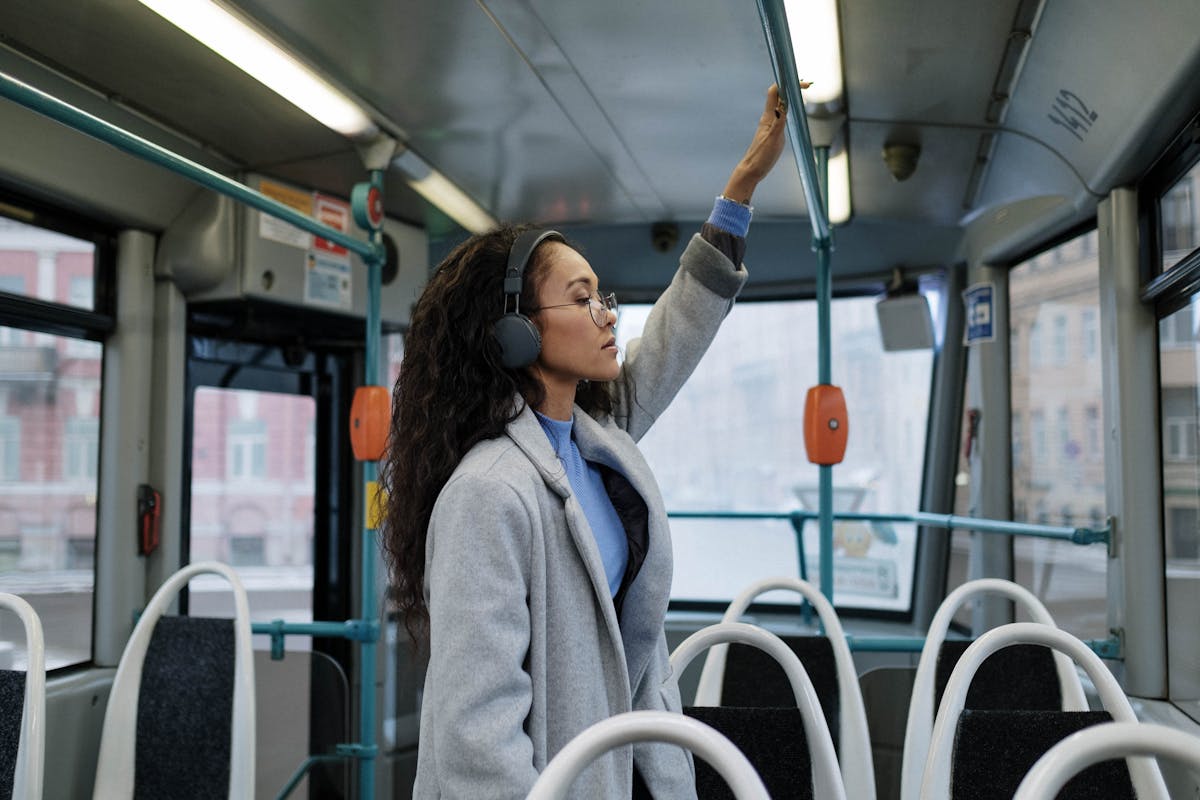
Another frequent source of citywide exasperation is audible music leaking from someone else’s headphones. Even with personal earbuds, poor volume control or low-quality devices can turn a train ride into an unwanted concert. The communal nature of subways amplifies every beat, every lyric, and every call, leaving commuters with little escape from sonic intrusions.
The frustration isn’t just about sound; it’s about consideration. Public transit spaces are shared environments, and a lack of awareness demonstrates disregard for others’ comfort. Residents often tolerate minor annoyances, but persistent noise becomes a subtle yet powerful form of social violation, turning routine commutes into stress-filled journeys.
Escalator Etiquette Violations
Escalator dynamics in New York are a science. The right-hand side is for standing, the left for those in a hurry. Yet countless times, pedestrians block both lanes, forcing everyone behind them into awkward shuffling and hurried stepping. The result is mass annoyance and a breakdown of flow, often with commuters muttering under their breath.
This is more than a minor inconvenience. Escalator congestion creates small-scale chaos, particularly in high-traffic stations. Regular violations undermine the city’s carefully choreographed pedestrian ecosystem, producing an immediate surge of irritation among those simply trying to reach their destinations efficiently.
Subway Boarding Confusion
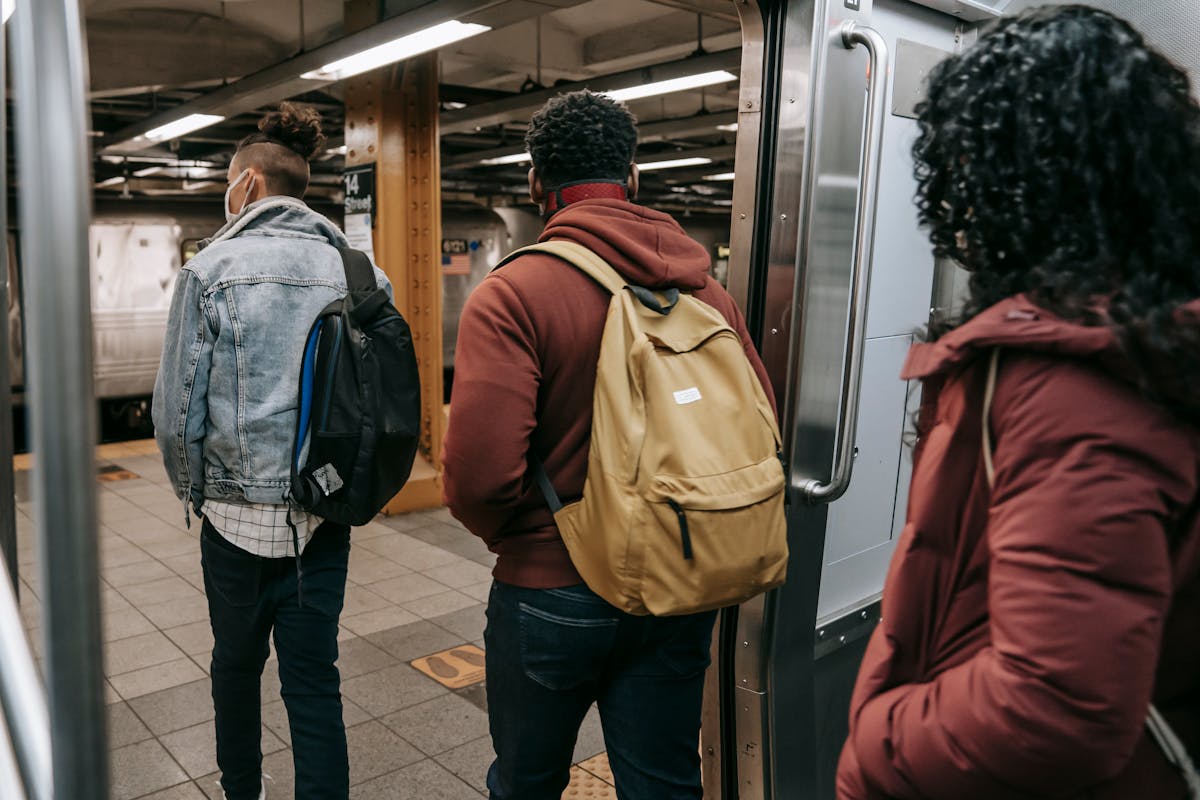
Boarding a subway requires coordination, yet some passengers make it unnecessarily complicated. People who step in front of others or linger at doors while deciding where to stand create bottlenecks, extending wait times for the entire car. Commuters are left feeling trapped in a human traffic jam with no easy escape.
Timing and spatial awareness matter greatly. New Yorkers rely on an unspoken contract of efficiency, and when it’s violated, it feels personal. Frustration builds as each delay compounds the next, with impatience escalating exponentially during peak hours.
Gridlock Horns
Traffic in New York can often feel immovable, and yet the honking never stops. Drivers blare horns in frustration, unaware that the congestion is universal, not localized. This noise pollution creates tension not only in vehicles but on the sidewalks, amplifying stress throughout the cityscape.
The absurdity lies in the futility. Honking does nothing to resolve gridlock, but it signals impatience, aggression, and territorial dominance. Residents quickly learn that city traffic is as much psychological warfare as it is movement, and each unnecessary honk is another jolt to collective nerves.
Overpriced Drinks and Poor Service

City nightlife comes with a price, and sometimes that price feels inflated without justification. Waiting for a bartender’s attention while paying $20 for a mediocre cocktail is an experience that resonates with almost everyone in Manhattan. Beyond financial annoyance, it’s a question of value and service expectations.
The irritation deepens when establishments are crowded, and attention is divided. Patrons are left juggling wallets, orders, and social dynamics, which tests their patience and highlights the contrast between anticipated enjoyment and actual experience.
Starbucks Indecision
Coffee culture is a cornerstone of New York life, yet long lines at Starbucks often amplify impatience. Patrons who take extended time to decide on their order exacerbate wait times and heighten tension, particularly during morning rush hours.
For many, a fifteen-minute delay feels like a small crisis. The ripple effect impacts baristas, fellow coffee seekers, and the rhythm of morning routines. This is a prime example of how minor individual choices can aggregate into widespread citywide frustration.
Chairs Reserved by Belongings
Space is at a premium, and empty chairs with personal items on them trigger immediate annoyance. In coffee shops, libraries, and public waiting areas, selfishly claiming shared space disrupts the communal flow and sparks silent resentment among other patrons.
Beyond convenience, it’s a question of fairness and etiquette. New Yorkers are accustomed to high-density environments, and impinging on communal space is seen as a breach of city norms, generating irritation that lingers well after the encounter.
The Tourist Factor
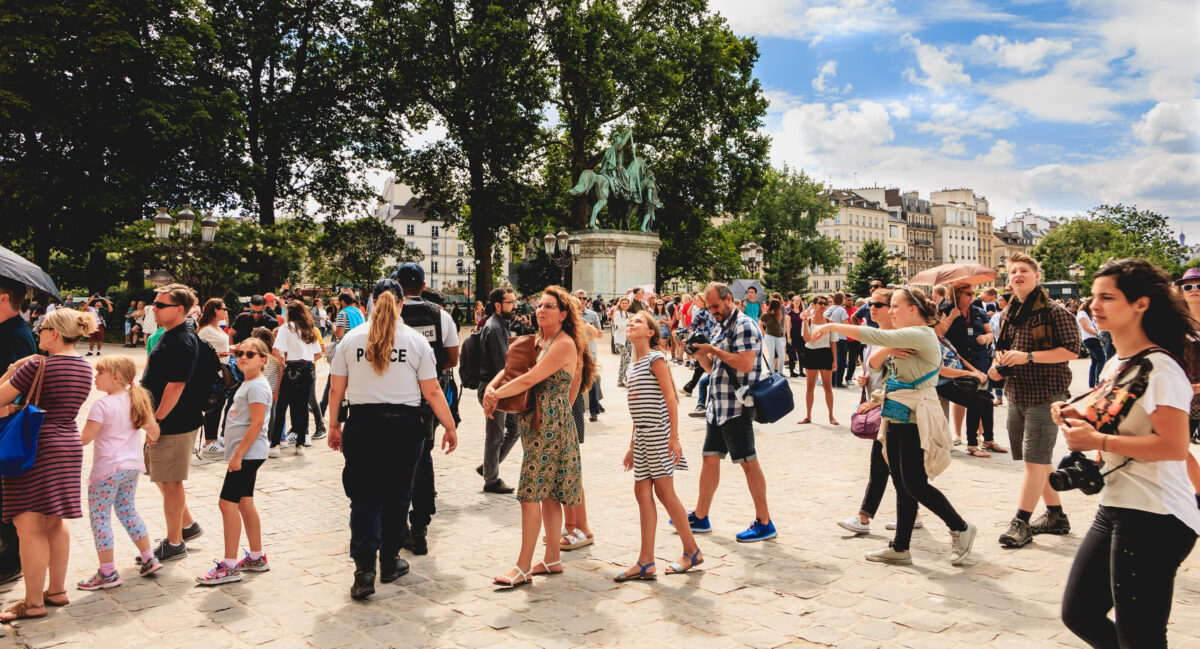
Tourists navigating streets, often stopping mid-block for photos or directions, create unpredictable obstacles. While curiosity is natural, it clashes with the city’s fast-paced environment. Commuters and locals alike face repeated interruptions that challenge their patience.
Even when intentions are harmless, these disruptions test spatial awareness and timing. The result is a subtle, cumulative frustration that defines much of the urban experience, highlighting the tension between visitor curiosity and resident efficiency.
Small Inconveniences, Big Frustrations
Other minor annoyances, from public restroom scarcity to dead cell phone zones, loud neighbors, and sidewalk e-bikes, add layers to daily urban stress. Each may seem trivial, yet collectively, they define the unique irritation profile of living in New York.
New Yorkers navigate a complex ecosystem of personal space, time constraints, and social etiquette. Minor violations against these norms ripple through the urban experience, creating pervasive feelings of impatience and even irrational rage. Recognizing and predicting these triggers is part of the city’s unspoken code of survival and coexistence.


