Flying With Cannabis Could Backfire on Americans Despite TSA Guidance
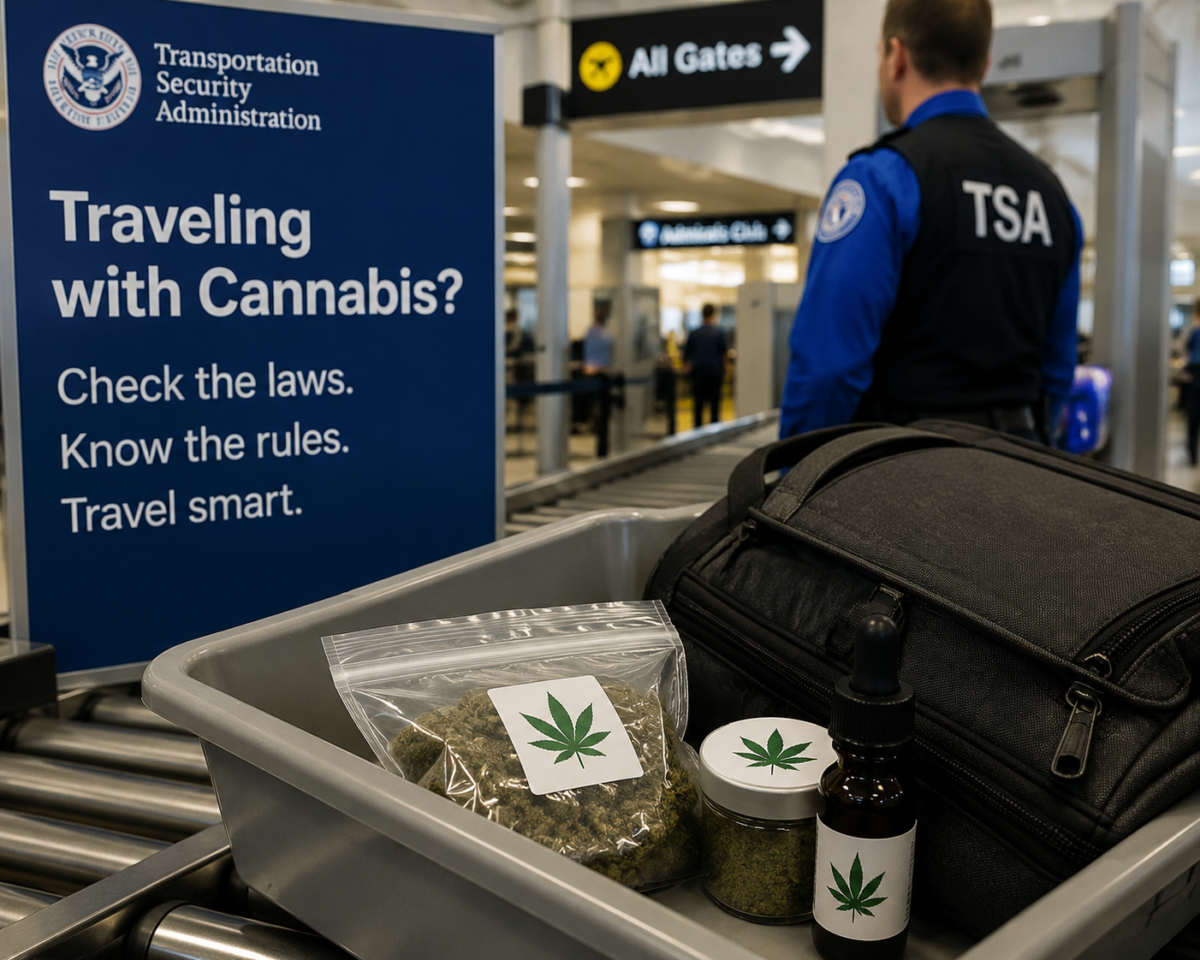
Flying with cannabis seems easier than ever thanks to the TSA’s recent guidance updates, but it’s not as simple as it looks. The agency now mentions that travelers with medical marijuana can carry their products in both checked and carry-on bags, which is exciting news for many. But federal law still doesn’t fully recognize cannabis, and combining that with airline rules and health considerations can make travel tricky. Understanding the real risks could save you a lot of stress and headaches.
It’s easy to get confused. You might think, “I have a medical card, and it’s legal in my state, so I’m fine.” Unfortunately, TSA guidance doesn’t erase the gray areas between state and federal law. Knowing what you can and can’t do is key to keeping your trip smooth. Let’s break down what’s actually safe, what isn’t, and what you need to know before you pack your bag.
TSA Says You Can Bring It, But It’s Not a Free Pass
The updated TSA guidance lets medical cannabis be carried in luggage, whether checked or in your carry-on. The rules emphasize state compliance and proper packaging. On the surface, that sounds straightforward. But TSA agents are primarily looking out for threats like weapons or explosives, not enforcing drug laws. That said, if something suspicious is discovered, it could be turned over to law enforcement.
So yes, it might pass through security, but it’s not a guarantee. Even with prescriptions, travelers can face fines or confiscation depending on where they are. It’s a small but important distinction: carrying it legally in your state doesn’t automatically protect you everywhere.
Federal Law Still Controls the Sky
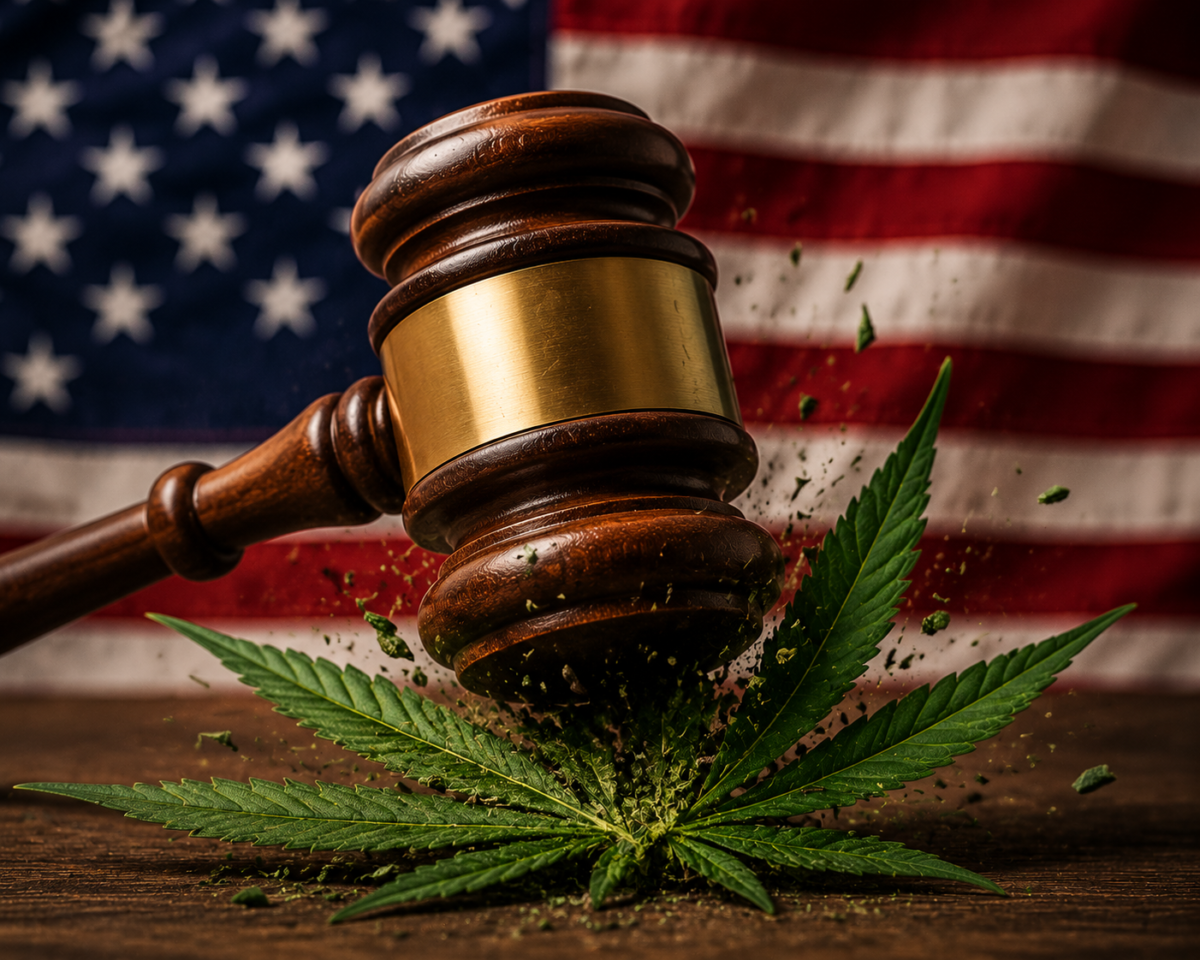
No matter how legal it is in your state, cannabis is still federally illegal. Airports and airplanes fall under federal jurisdiction, which means the government can technically prosecute possession. TSA agents may not always report small amounts, but relying on leniency is risky.
This gap between state legalization and federal rules is where confusion happens. Travelers often assume they’re protected, but that assumption could have real consequences. A little awareness goes a long way toward avoiding trouble.
Health Considerations in the Air
Flying introduces unique risks if you use cannabis mid-flight. Cabin pressure and lower oxygen can amplify effects, making dizziness, nausea, or even a faster heart rate more likely, especially with unfamiliar or stronger products.
Health experts recommend waiting until after the flight to use cannabis. Even experienced users can be surprised by how altitude changes affect the body. Staying aware of these health factors is just as important as understanding the legal ones.

Airlines Have Their Own Rules
Even if TSA lets cannabis through security, airlines strictly forbid consumption during flights. No smoking, vaping, or eating edibles in the cabin. Breaking this rule can result in fines, removal from the plane, or future travel restrictions.
Some travelers assume TSA guidance equals permission to consume mid-flight, but that’s not true. Knowing this helps avoid uncomfortable or costly surprises once you’re on board.
International Travel Is Even Riskier
If your trip crosses borders, flying with cannabis can become dangerous. Most countries have strict anti-cannabis laws, and even small amounts can lead to fines, detention, or criminal charges.Travelers going abroad should plan to buy at their destination if cannabis is legal there rather than transporting it. Ignorance isn’t an excuse, and assuming U.S. legality carries over internationally is a risky move.
Practical Steps for Safer Travel

Savvy travelers rely on clear strategies to minimize risk. Keeping cannabis in its original, labeled packaging, understanding both state and federal regulations, and never consuming during the flight are essential. Travelers are often advised to consider purchasing cannabis at their destination if it is legal rather than transporting it, which avoids most legal and health risks.
Planning ahead also helps travelers avoid delays or confiscation. Secure packaging, transparency with TSA, and careful adherence to both airline and local laws reduce the likelihood of trouble while maintaining access to medication or products after arrival.
A Bit of Background Context
Traveling with cannabis has long been a gray area, reflecting the tension between state legalization and federal prohibition. Historically, airlines and federal authorities have had inconsistent enforcement, leading to uncertainty among users. Recent TSA updates reflect an effort to clarify guidance, but legal and cultural conflicts persist.
Medical cannabis is essential for many Americans, yet navigating state versus federal rules still feels tricky. Travelers need to pay attention so they don’t get caught in the middle of changing regulations.
Understanding the Real Risks
TSA guidance may sound permissive, but there’s a lot to consider. Legal enforcement, airline rules, health risks, and international restrictions all make flying with cannabis more complicated than it appears. Misunderstanding the guidance could lead to fines, confiscation, or even legal trouble.
Even with careful labeling and following the rules, federal law still governs air travel. Being informed and cautious is the smartest way to avoid surprises.
Thinking It Through
The TSA guidance highlights the importance of knowing state and federal rules, airline policies, and health implications. It’s not just about legality, it’s about staying safe and comfortable. Planning ahead ensures medical users have access to their treatments while casual travelers weigh risks responsibly.
Your choices in traveling with cannabis don’t just affect you; they influence how others see compliance and public perception of cannabis in travel spaces.
Flying with cannabis might feel like a simple step now, but the risks are still very real. Federal law, airline policies, and health factors create layers of caution you can’t ignore. Preparing, researching, and using restraint are the best ways to avoid trouble. Carrying or consuming cannabis while traveling is a personal decision, but it’s one that can have wider implications if not approached thoughtfully. Understanding these realities makes all the difference between a smooth flight and a stressful experience.