9 Reasons Anxiety Feels Worse at Night
Night has a strange way of making every worry sound louder. The house gets quiet, the phone slows down, the lights go off, and suddenly the mind starts replaying conversations, mistakes, bills, health fears, deadlines, and every awkward thing we wish we had handled differently. For people who deal with anxiety, bedtime can feel less like rest and more like a private courtroom where every thought shows up to testify.
The frustrating part is that we can be exhausted and still feel wired. Our bodies may want sleep, but our brains act like they are guarding the door against danger. That is why nighttime anxiety can feel so personal, so physical, and so hard to explain to someone who simply says, “Just relax.” The truth is that anxiety at night usually has patterns, and once we understand those patterns, we can start breaking them.
Here are the common reasons anxiety gets worse at night and the practical steps that can help calm the mind before bed
The Quiet Gives Worry Too Much Room

During the day, we can outrun anxiety with movement. There are emails to answer, errands to run, people to talk to, meals to make, and problems that demand attention. That busy rhythm can work like a temporary lid on anxious thoughts. The worries may still be there, but they have competition.
At night, that competition disappears. The quiet gives the mind an empty stage, and anxiety loves an empty stage. One small concern can suddenly turn into a full mental movie. An unanswered message becomes a friendship problem. A work mistake becomes a career disaster. A strange body sensation becomes a health scare. The fewer distractions we have, the more convincing the anxious story can become.
The Brain Starts Replaying the Whole Day
Nighttime anxiety often shows up as mental replay. We remember what we said, what we should have said, what someone’s tone might have meant, or why a situation felt “off.” The brain acts like it is helping by reviewing the day for danger, but the timing is cruel. Bedtime is when we need release, not a full performance review.
This replay can feel especially intense for people who are hard on themselves. The mind may grab ordinary human moments and turn them into evidence of failure. We may know, logically, that one awkward sentence did not ruin our lives. Still, at midnight, logic often loses volume. That is why a written “worry dump” before bed can help. Once the thoughts are on paper, the brain has less reason to keep replaying them.
Late Screens Keep the Mind Too Stimulated
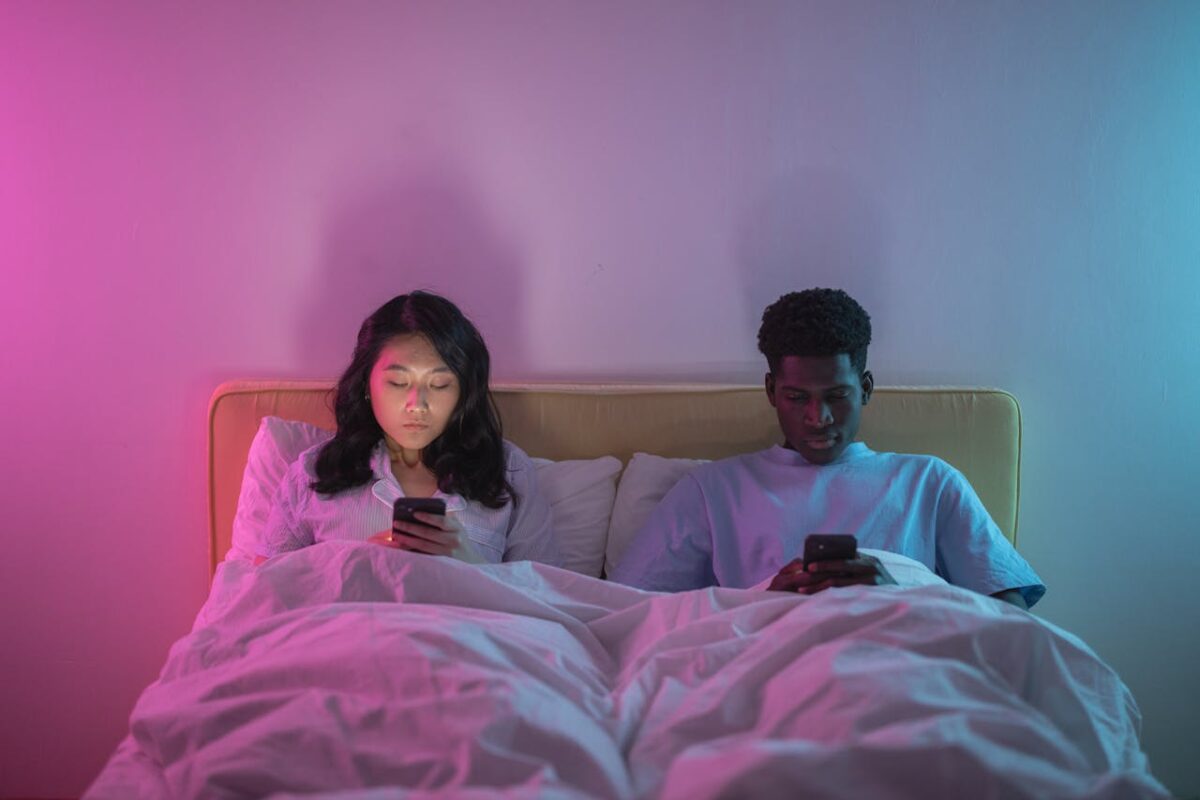
Phones are terrible bedtime companions when anxiety is already high. A quick scroll can turn into bad news, comparison, work stress, messages, videos, and mental noise. Even harmless content can keep the brain engaged when it needs to wind down. The mind does not always know the difference between “just checking” and “staying on alert.”
A better move is to create a buffer between screen time and sleep. That buffer does not need to be dramatic. We can set the phone across the room, use night settings, stop work messages earlier, or replace scrolling with a calmer habit. Reading something gentle, listening to soft audio, stretching, or journaling gives the brain a slower landing. Nighttime anxiety feeds on stimulation, so less input often means less mental chaos.
Stress Hormones Keep the Body on Guard
Anxiety is not just a thought problem. It is a body problem too. When the nervous system senses danger, it can raise alertness, tighten muscles, speed up breathing, and make the heart beat harder. That response can be useful in a real emergency, but it becomes miserable when the “emergency” is tomorrow’s meeting or an old argument from three years ago.
Sleep needs safety. Anxiety creates surveillance. That clash explains why we can feel tired but unable to drift off. The body is acting like something must be handled before it can rest. Gentle breathing, progressive muscle relaxation, a warm shower, and dim lighting can help send a different message. We are not forcing calm. We are teaching the body that the alarm can stand down.
The Bed Becomes Linked With Overthinking
When anxiety happens in bed night after night, the brain can start connecting the bed with stress. At first, we go to bed and end up worrying. Later, the bed itself becomes a trigger. We pull up the blanket, turn off the light, and the mind immediately starts its familiar routine.
This is why some people feel sleepy on the couch but wide awake in bed. The bedroom has become associated with effort, frustration, clock-watching, and fear of another bad night. A helpful reset is to keep the bed for sleep and intimacy, not work, scrolling, arguing, or panic-planning. If anxiety keeps building, we can get up briefly, sit somewhere quiet in dim light, and return when sleepiness comes back. That teaches the brain that the bed is not a battleground.
Fear of Not Sleeping Makes Sleep Harder

One of the meanest tricks of nighttime anxiety is that it turns sleep into a test. We start calculating. If we fall asleep now, we can still get six hours. Then five. Then four. Then the panic grows because tomorrow suddenly feels ruined. The original worry gets replaced by a new one: fear of being awake.
That fear can keep the body alert. The harder we chase sleep, the farther it seems to move. Turning the clock away helps because clock-watching adds pressure. So does reminding ourselves that one rough night is uncomfortable but not the end of everything. Sleep returns more easily when we stop treating every wakeful minute like proof that the night is lost.
Unfinished Problems Follow Us Into the Dark
The mind hates open loops. Unpaid bills, difficult conversations, medical appointments, unfinished work, family tension, and big decisions can all follow us into bed. During the day, we may avoid them because we are busy. At night, the mind tries to solve everything at once, usually when we have the least energy to think clearly.
A simple evening reset can help close some of those loops. Write down the top three things that need attention tomorrow. Add one small next step beside each one. For anything that cannot be solved tonight, write, “This is not tonight’s job.” That sentence may sound simple, but it gives the brain a boundary. We are not ignoring life. We are refusing to hold a crisis meeting at 1 a.m.
Caffeine, Alcohol, and Heavy Meals Can Make It Worse

What we consume late in the day can affect how anxious we feel at night. Caffeine keeps the nervous system switched on long after the last cup. Alcohol may make us sleepy at first, but it can disturb sleep later and lead to middle-of-the-night waking. Heavy meals close to bedtime can also cause discomfort, reflux, or restlessness that the anxious brain may misread as danger.
This does not mean everyone needs a perfect routine. It means we should notice patterns. If anxiety peaks after late coffee, evening drinks, spicy meals, or midnight snacking, the body may be giving us useful information. Small changes can make a big difference. Earlier caffeine, lighter dinners, more water during the day, and fewer late-night stimulants can help the body settle with less resistance.