Five Dried Chilis That Will Change the Way You Cook, No Spice Packet Required
Walk past the dried chili display at a Mexican grocery store, and it’s easy to keep walking. The bags of wrinkled, dark red pods look intimidating, like they exist purely to punish your taste buds. That assumption keeps many home cooks from making one of the easiest kitchen upgrades.
Dried chilis are not mainly about heat. Drying a fresh pepper concentrates its sugars and transforms its flavor entirely, trading a crisp, grassy taste for something closer to dried fruit, toasted nuts, or campfire smoke. Once you know what each pod does, a handful in your pantry can replace half your spice rack.
Here are five worth keeping on hand.
Ancho: The One to Buy First
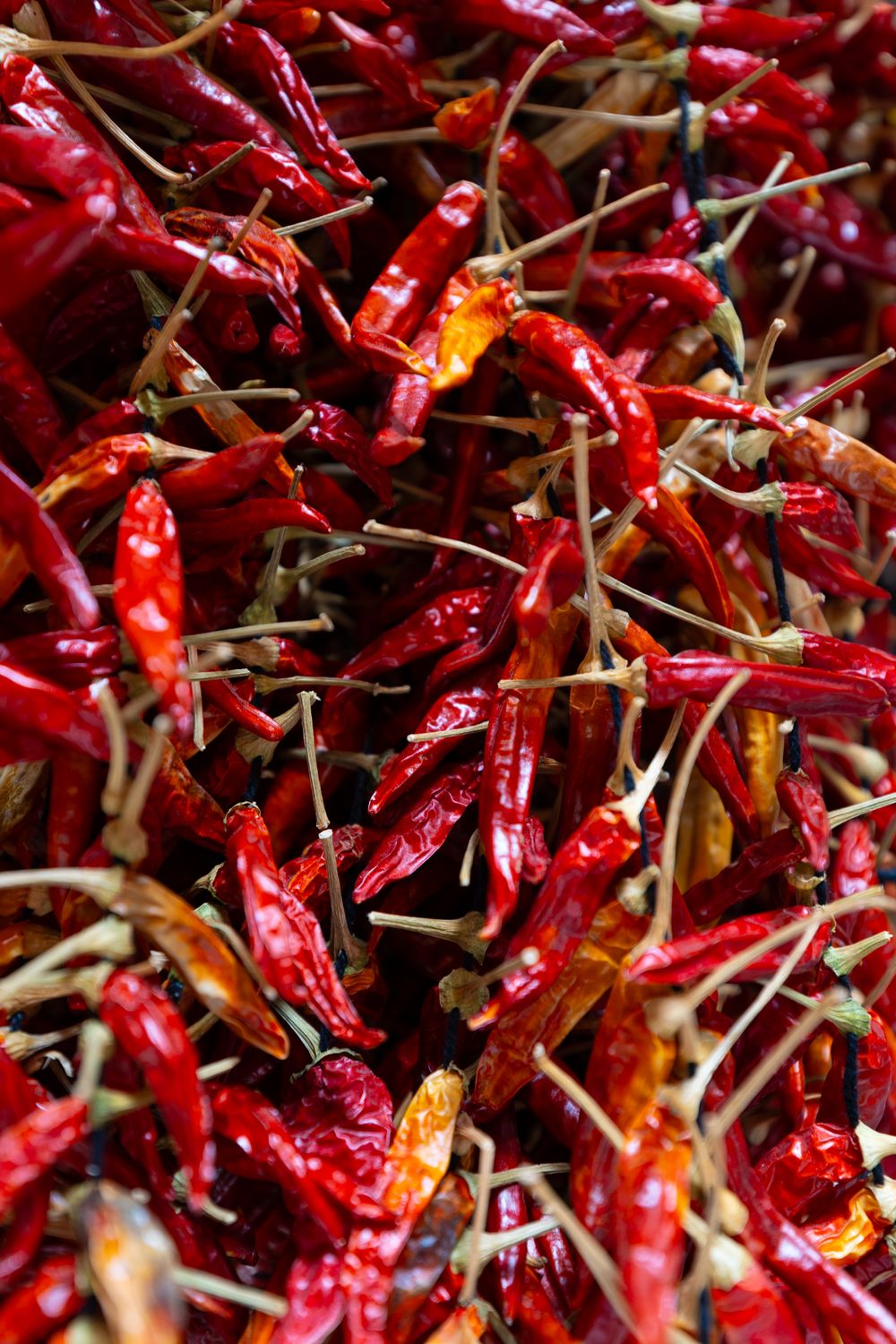
An ancho chili is simply a fully ripened poblano pepper that has been dried. It is wide, dark mahogany red, and leathery, with a heat level so mild that almost anyone can handle it straight.
The flavor leans toward dried fruit, think raisins or prunes, with a background note of cocoa and mild tobacco. That combination makes ancho the backbone of red enchilada sauce, mole, and a proper pot of chili con carne. Soak it in warm water until pliable, then blend it into a paste to give soups and braises instant body.
Related: The Boomer Food Traditions That Still Bring People to the Table
Guajillo: Bright, Tangy, and Everywhere in Mexican Cooking
If ancho brings depth, guajillo brings lift. It’s the dried form of the mirasol pepper, and its name is Spanish for the fresh pod’s habit of growing upright, as if looking at the sun. Once dried, the skin turns a smooth, glossy burgundy that glows almost translucent in the light.
Guajillo is second only to ancho in popularity across Mexican cooking, and for good reason. It carries a tangy, berry-like fruitiness with a mild, tea-like heat, and it shows up constantly in birria, tamale sauces, and mole. Because the skin is tougher than ancho’s, soak it longer in hot water, then push the puree through a fine-mesh strainer for a smoother sauce.
Chipotle Morita: The Smoky One
Most chilis get their character from sun-drying. Chipotle is different. It starts as a fully ripened red jalapeño that gets smoked rather than dried, and the morita variety, smoked for a shorter stretch than its cousin the meco, is the version you’re most likely to find at a regular grocery store.
Morita keeps some of its reddish color and a leathery, slightly pliable texture, with a flavor built around hardwood smoke and an underlying sweetness. Most cooks know chipotle only from the canned version packed in adobo sauce, but keeping the dried whole pods on hand lets you control exactly how much smoke and heat go into a dry rub, a marinade, or a slow braise, without the added vinegar that comes in the can.
Chile de Árbol: Fast, Clean Heat
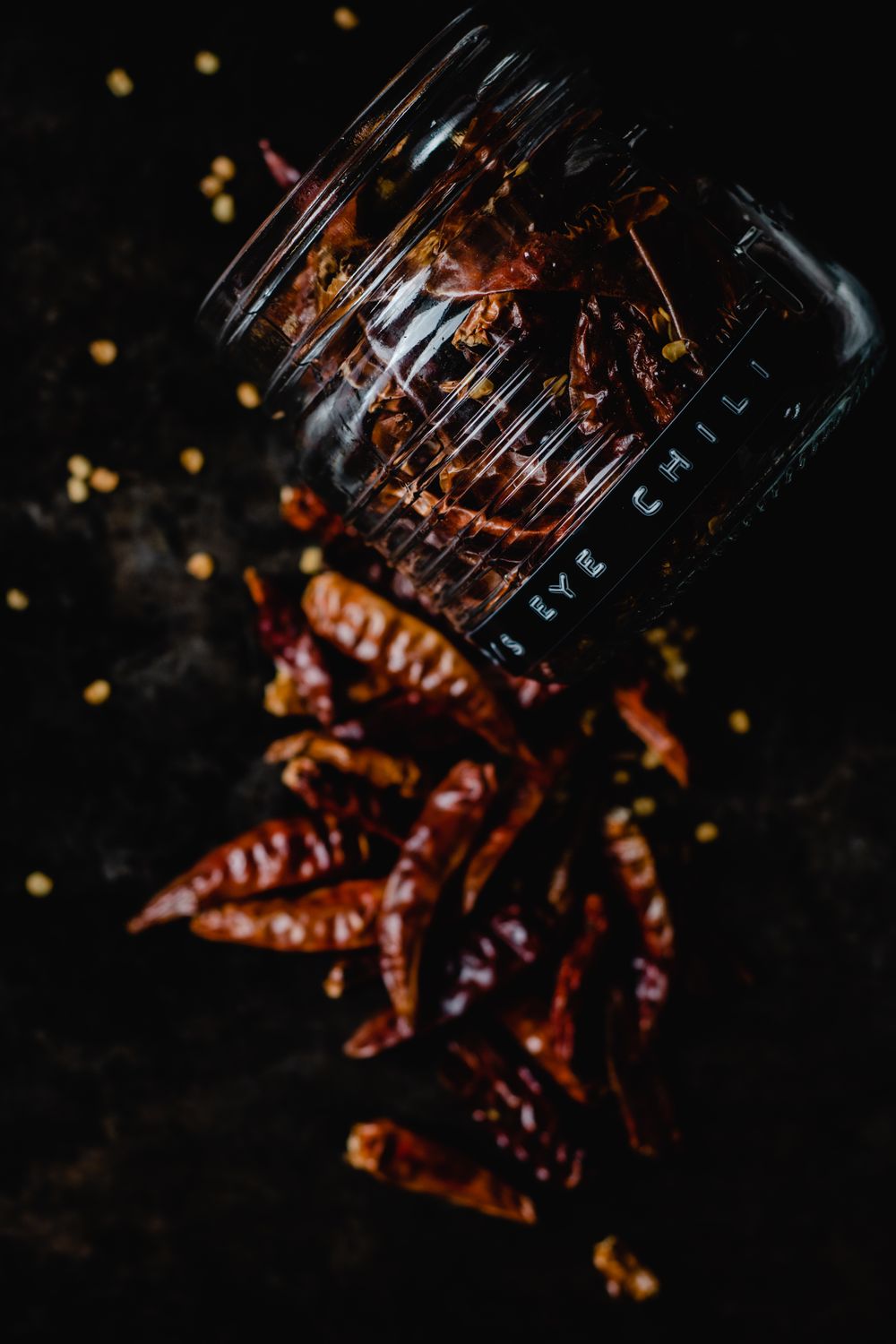
When a dish needs actual spice without extra complexity layered on top, chile de árbol is the answer. These are small, narrow, bright red pods with smooth skin, and unlike the fruit-forward chilis above, their flavor is sharp and grassy rather than sweet.
Because the heat is concentrated, a little goes a long way. Chile de árbol is the chili behind most bottled hot sauces and the fiery red table salsas served at taquerias. Toast a handful in a dry skillet for thirty seconds to wake up the oils, then crush into flakes or blend whole into salsa.
Pasilla: Dark, Earthy, and Often Mistaken for Ancho
Pasilla is Spanish for “little raisin,” a fitting name for a long, narrow, deeply wrinkled dried pod. It comes from the chilaca pepper and has mild to medium heat, similar to ancho but slightly hotter.
The flavor runs earthy and woodsy, with hints of dark chocolate and licorice underneath. Pasilla is easy to confuse with ancho at a glance. Still, the two aren’t interchangeable if you’re chasing a specific flavor: pasilla leans more bitter and herbal, while ancho is sweeter. It shines paired with beef or lamb, or blended into a dark, glossy braising sauce. Together, ancho, guajillo, and pasilla form what’s often called the “holy trinity” of Mexican dried chilis, the backbone of countless mole recipes.
How to Actually Use Them
Getting the flavor out of a dried chili takes four simple steps. Wipe the pods clean, then slit them open and shake out the seeds and ribs, which turn bitter if left in. Toast the opened pods in a dry skillet for 15 to 30 seconds per side, until fragrant, watching closely so they don’t scorch. Submerge them in hot water for 15 to 20 minutes, until soft. Then blend the softened pods with a splash of their soaking liquid, some garlic, and salt for an instant chili paste.
Once you’ve got these five in the pantry, a spice-blend jar starts to look pretty unnecessary.