10 Shocking Tattoo Facts That Make Permanent Ink Look Very Different
Tattoos can look simple from the outside. A name on the wrist, a rose on the shoulder, a sleeve down the arm, or a tiny symbol behind the ear can feel like a private decision made in a chair under bright studio lights. Yet once the needle starts moving, the story becomes bigger than style.
Ink enters living skin, wakes up the immune system, and leaves pigment in a place the body does not easily clear. Some tattoos become family tributes, recovery symbols, cultural markers, or bold acts of identity.
Others become expensive regrets, stubborn medical puzzles, or permanent reminders of a mood that lasted one reckless weekend.
That is why the most shocking tattoo facts are not just trivia. They show how tattoos connect ancient ritual, modern science, public health, beauty culture, pain tolerance, and personal choice.
We may admire the art, but we should also understand what is really happening under the skin.
Tattoo Ink Does Not Stay on the Surface

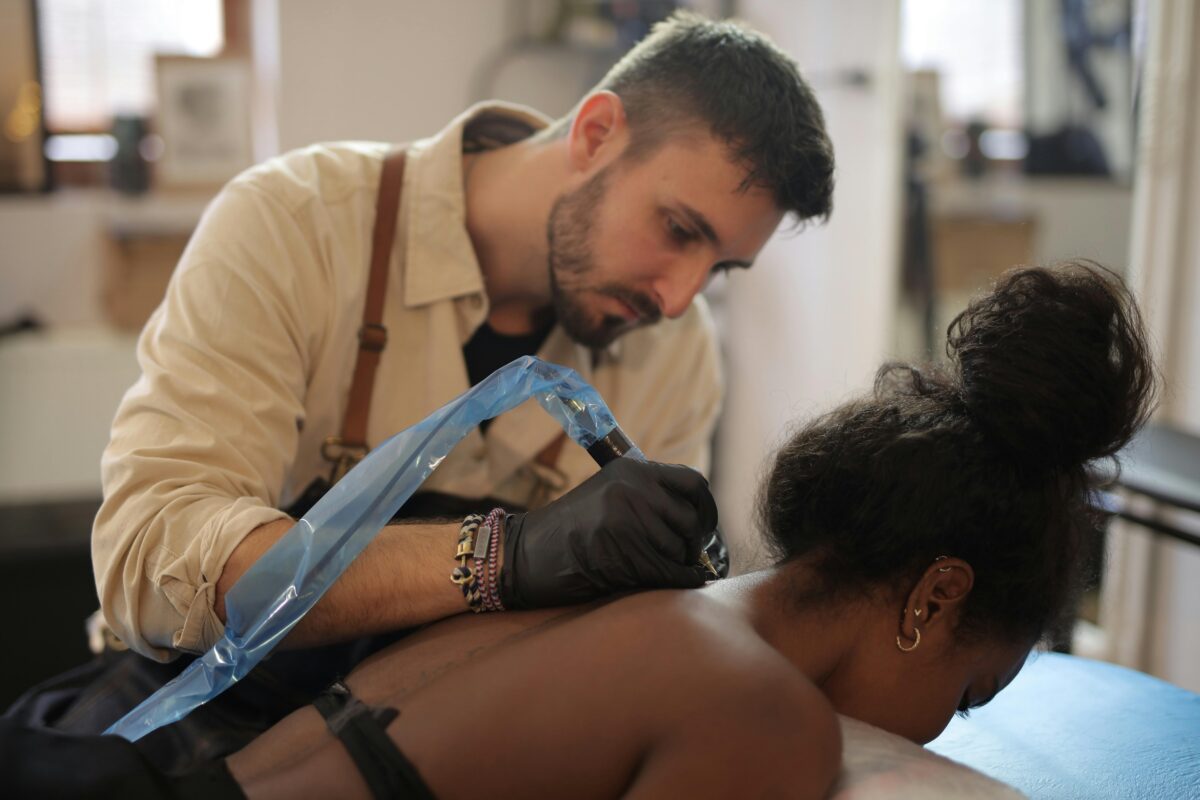
A tattoo is not painted onto the body like makeup. The needle pushes pigment through the outer layer of skin into the dermis, the deeper layer that does not shed as quickly as the surface layer.
That placement is the reason tattoos can last for decades instead of flaking away with dead skin cells.
This also explains why tattooing is more serious than many people imagine. The process creates thousands of tiny skin injuries, and each puncture provides a route for pigment, fluids, and possible contaminants into the tissue.
A clean studio, sterile equipment, safe ink handling, and proper aftercare are not “extra” details. They are the difference between body art and a preventable skin problem.
Your Immune System Helps Make Tattoos Permanent
One of the strangest tattoo facts is that the body helps preserve the thing it is trying to clean up. When tattoo pigment enters the dermis, immune cells are attracted to the area because they recognize the ink as foreign material.
Some of these cells, called macrophages, swallow the pigment particles.
The problem is that many pigment particles are too large or stubborn for the body to fully break down. Instead of disappearing, the ink becomes trapped in a cycle in which old immune cells release pigment, and new immune cells capture it again.
That quiet immune-system loop helps explain why a tattoo can fade over time but still remain visible years later.
Some Tattoo Ink Can Move Beyond the Tattooed Skin
A tattoo may look fixed in one place, but tiny pigment particles can move inside the body.
Research has shown that tattoo pigments and related particles can travel from the skin to nearby lymph nodes. These nodes are part of the immune system, which means tattoos can leave traces beyond the visible design.
This does not mean every tattoo creates a health crisis. It means the old idea that ink stays neatly inside the artwork is too simple. When we talk about tattoo safety, we are not only talking about the design on the arm or leg. We are talking about pigment, immune activity, and long-term exposure inside a living body.
Red Ink Has a Reputation for Causing Trouble
Red tattoos can look bold, romantic, fierce, and beautiful. They can also be more likely to trigger allergic reactions than many other colors. Skin reactions may include itching, swelling, bumps, scaly patches, or irritation that appears long after the tattoo has healed.
That delayed reaction surprises many people because they assume a healed tattoo is finished business. A red flower, red heart, red lettering, or red shading can behave differently months or even years later.
Anyone with sensitive skin, a history of allergies, or a history of tattoo reactions should treat red ink as a serious conversation with a trained artist and a medical professional when needed.
Tattoo Ink Can Be Contaminated Before It Ever Touches Skin
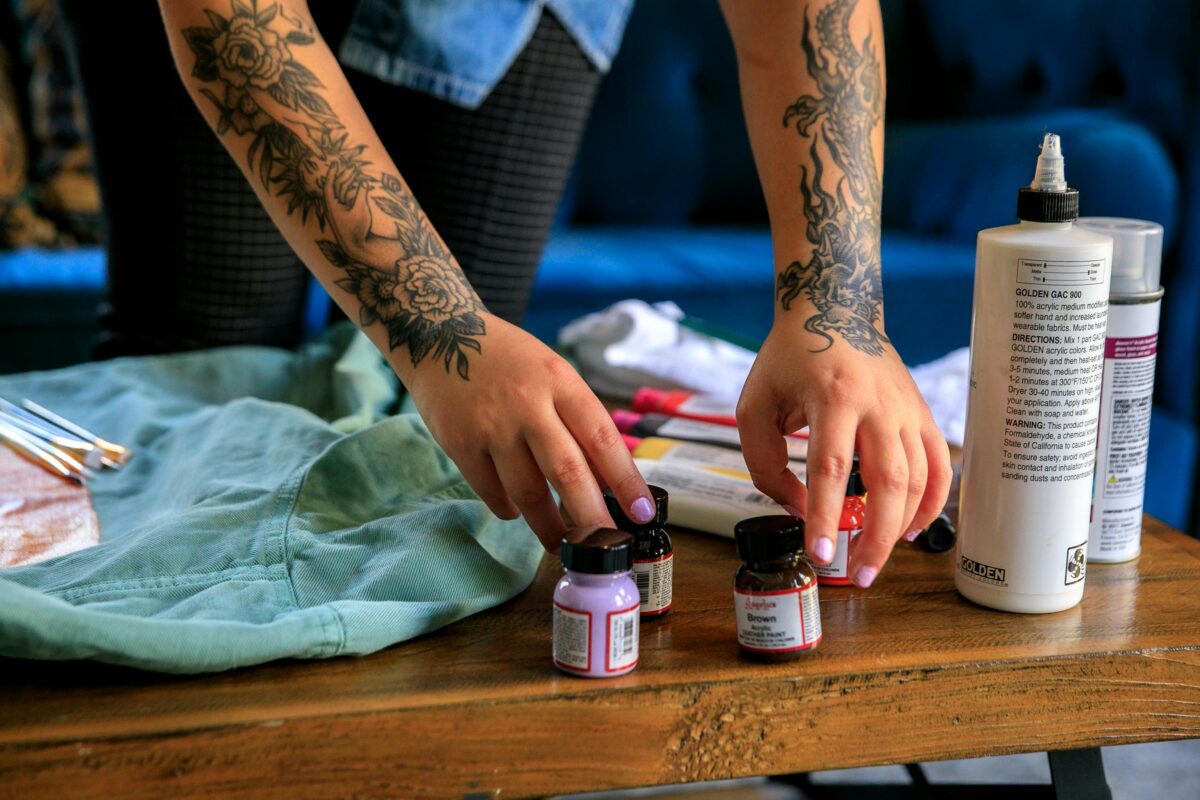
A clean-looking bottle of ink does not automatically mean the product is safe. Tattoo ink can become contaminated during manufacturing, packaging, storage, dilution, or studio use.
Even sealed containers have been flagged in safety discussions because contamination can happen before the bottle reaches the artist.
That is one of the most uncomfortable tattoo facts because clients often focus on the artist’s gloves, needles, and workstation. Those things matter, but ink quality matters too.
A reputable studio should be able to discuss ink sourcing, expiration dates, single-use practices, and hygiene without acting offended. If a studio treats safety questions like an insult, that is already useful information.
Black Ink Is Usually Easier to Remove Than Bright Colors
Tattoo regret does not affect everyone, but when it does, removal is rarely as simple as people hope. Black and dark blue pigments usually respond better to laser removal because they absorb more wavelengths of light. That makes them easier to target than colors that require more specific laser settings.
Bright colors can be stubborn. Green, yellow, red, white, and flesh-toned pigments can require more sessions, respond unevenly, or create special challenges.
This is why a small black tattoo may be easier to fade than a colorful design with multiple pigments, even if the colorful tattoo looks lighter to the naked eye.
Laser Removal Can Take Longer Than the Tattoo Itself
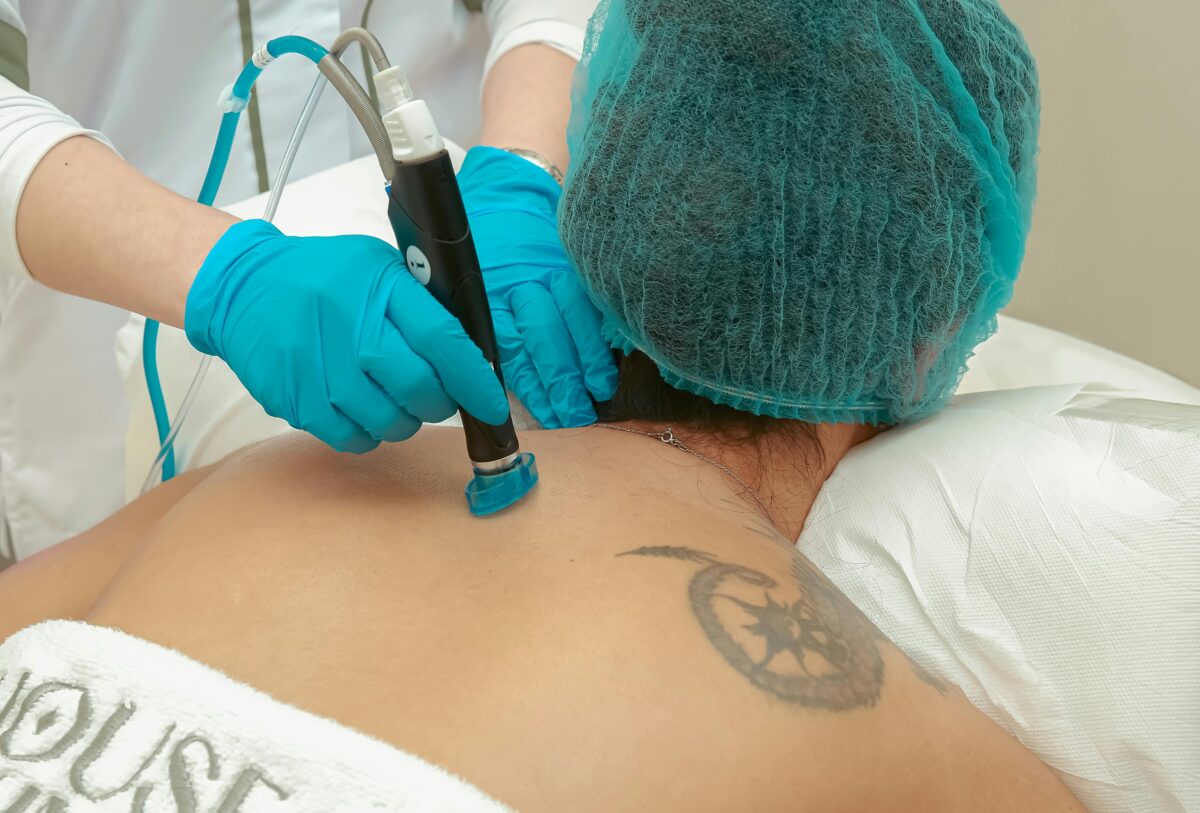
A tattoo can take one afternoon. Removing it can take months or years. Laser removal usually requires repeated sessions spaced apart so the body has time to process broken pigment particles. Even then, complete removal is not guaranteed.
The emotional shock comes from the gap between getting ink and undoing ink. A name, symbol, trend, or matching tattoo may feel quick in the moment, but removal can become painful, expensive, and incomplete.
The better question before getting a tattoo is not “Can this be removed?” It is “Would we still accept this design if removal never worked perfectly?”
Women Now Play a Major Role in Tattoo Culture
Tattoos were once framed in popular culture as rough, rebellious, masculine, or underground. That image no longer fits modern America.
Women now make up a major share of tattooed adults, and younger women have helped move tattoos into beauty, identity, grief, confidence, and self-expression.
This shift matters because it changed the visual language of tattoo culture. Fine-line work, delicate placements, memorial pieces, floral designs, spiritual symbols, micro tattoos, and body-reclamation tattoos all widened the public idea of what ink can mean.
Tattoos are no longer stuck in one stereotype. They now sit somewhere between fashion, therapy, memory, rebellion, and personal branding.
The Modern Tattoo Machine Has a Strange Link to Thomas Edison
The electric tattoo machine did not appear out of nowhere. Samuel O’Reilly patented an electric tattooing machine in 1891, inspired by Thomas Edison’s electric pen. Edison was trying to solve a document-copying problem, not create a tattoo revolution.
That accidental connection changed body art forever. Electric tattooing made the process faster, more consistent, and more adaptable than older hand methods.
It helped artists build cleaner lines, larger pieces, and more detailed designs. A modern tattoo studio still carries the shadow of that invention every time the machine starts buzzing.
Ötzi the Iceman Had Tattoos More Than 5,000 Years Ago
Tattoos are often treated as a modern trend, but ancient bodies tell a different story. Ötzi the Iceman, the famous mummy found in the Alps, had 61 tattoo markings on his body.
These markings were not colorful modern designs. They were mostly lines and crosses placed on areas linked to physical stress and pain.
That makes Ötzi one of the most fascinating figures in tattoo history. His tattoos may have served a therapeutic purpose rather than a decorative one.
Long before tattoo shops, flash sheets, social media reveals, and celebrity sleeves, people were already marking skin in ways tied to pain, healing, identity, or ritual.
Ancient Egyptian Mummies Were Tattooed Too
Tattooing also appears in ancient Egypt, including on mummified women from Deir el-Medina. Some markings included religious and symbolic imagery, suggesting that tattoos could carry spiritual or social meaning, or serve as a form of divine protection. These were not casual decorations in the modern sense.
This history challenges the idea that tattoos are just fashion. In ancient societies, ink could signal belief, status, fertility, protection, devotion, or sacred identity.
Today’s tattoos may look more personal and aesthetic, but the deeper human urge is old. We have been using skin as a storytelling surface for thousands of years.
The Most Painful Tattoo Spots Usually Have Thin Skin, Bone, or Nerves
Tattoo pain is not equal across the body. Areas with more fat and muscle often feel more manageable, while thin-skinned, bony, or nerve-rich areas can feel intense.
The ribs, spine, ankles, feet, hands, elbows, knees, neck, face, and sternum often have a harsher reputation.
The face deserves special caution because it combines visibility, sensitivity, movement, and social consequences. A face tattoo is not just another placement.
It affects first impressions, healing, job settings, family reactions, and future regret in ways a hidden tattoo may not. Pain fades, but placement can keep speaking long after the session ends.
Tattoo Artists Do Not Become Skilled Overnight
A strong tattoo may look effortless, but the craft takes practice, control, and discipline.
Artists need to understand line weight, shading, skin depth, machine speed, sanitation, design flow, and how different skin areas respond. A beautiful drawing on paper does not automatically become a beautiful tattoo on skin.
This is why apprentices often practice techniques before working on paying clients.
Training can involve synthetic skin, fruit, pigskin, drawing drills, stencil practice, and supervised work. The goal is simple: by the time an artist touches real skin, the client should not become the experiment.
Tiny Tattoos Can Still Age Badly

Small tattoos are popular because they feel safe, cute, affordable, and easy to hide. The problem is that tiny details can blur over time as skin ages and pigment spreads slightly under the surface.
A micro tattoo with delicate lettering or tight detail may look crisp at first, then soften into something less readable later.
This does not mean small tattoos are a bad idea. It means design choices matter. Clean shapes, adequate spacing, realistic sizing, and an artist who understands aging can help prevent the tattoo from smudging. The smallest design still needs long-term thinking.
Tattoo Trends Can Become Regret Traps
Trendy tattoos feel exciting because they belong to a moment. Matching symbols, viral fine-line designs, celebrity-inspired placements, trendy fonts, and relationship tattoos can all feel meaningful at the time. The risk is that culture changes faster than skin.
A design that feels cool at 22 may feel dated at 32. A phrase that once sounded deep may feel embarrassing after a different season of life.
We do not need to fear trends, but we should be honest about them. The best tattoos usually have meaning strong enough to survive the internet’s short attention span.
Final Thoughts
Tattoos can be beautiful, emotional, rebellious, sacred, stylish, funny, painful, and deeply personal. They can honor someone, cover a scar, mark survival, celebrate identity, or turn the body into a living gallery. That is the part people love.
The harder truth is that tattoos are also biological events. Ink enters living tissue, the immune system reacts, pigments can behave unpredictably, removal can be difficult, and the meaning of a design can change over time. We do not need to fear tattoos, but we should stop treating them like temporary accessories.
The smartest tattoo decision is not made in a rush, under pressure, or because a design is trending. It is made with research, patience, a trusted artist, safe materials, realistic placement, and a design that still feels honest after the excitement cools. Permanent ink deserves permanent thinking.