8 Grandma Casseroles That Showed Up Whenever Someone Was Sick or Grieving
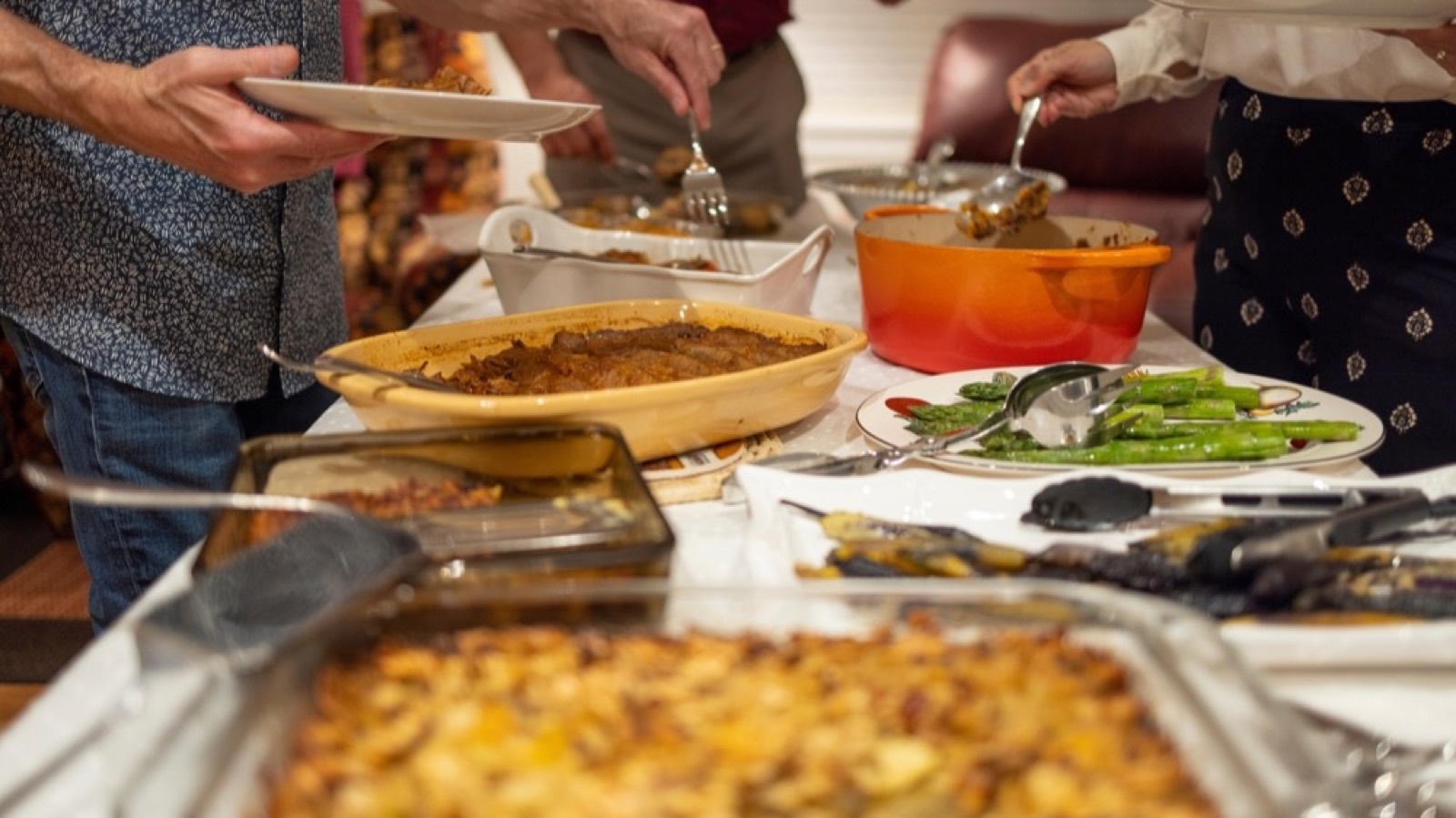
In small towns and close-knit neighborhoods across America, there was an unspoken rule. When someone was sick, had a new baby or lost a loved one, the casseroles started arriving. Within hours, the kitchen counter would be lined with foil-covered dishes, each one carrying a name written on a strip of masking tape so it could be returned later.
Grandmothers were the backbone of this tradition. They didn’t wait to be asked. They simply went into their kitchens, pulled out their trusted recipes and showed up at the door with something warm. It was their way of saying, “I’m here for you,” without needing many words.
These casseroles weren’t fancy. They were hearty, comforting and easy to reheat, which is exactly what a family in the middle of a hard time needs. Here are eight grandma casseroles that showed up whenever someone was sick or grieving.
1. Funeral Potatoes
In parts of the country, especially Utah and the Mountain West, one dish became so tied to times of loss that it was simply called “funeral potatoes.” It’s a cheesy casserole of shredded or diced potatoes mixed with sour cream, cream of chicken soup and cheese, topped with crushed cornflakes or potato chips.
The dish is closely associated with church communities that organize meals for grieving families. According to Wikipedia’s entry, funeral potatoes are often served at the meal after a funeral, which is how they got their name. Many families still make them for holidays too, but the name never fails to spark a story.
2. Chicken and Rice Casserole
Chicken and rice casserole was a go-to for grandmothers bringing food to a sick neighbor. It was made with chicken pieces, uncooked rice and a can or two of cream soup, then baked until the rice was tender and the chicken was cooked through. Some versions used a packet of onion soup mix for extra flavor.
It was gentle, filling and easy to eat, which made it perfect for someone recovering from an illness or surgery. It also fed the whole family, so caregivers didn’t have to worry about cooking. For many people, this casserole is the very definition of comfort food.
3. Baked Ziti or Lasagna
In many Italian American families, and plenty of others, a pan of baked ziti or lasagna was the gift of choice. Pasta, tomato sauce, ricotta and plenty of mozzarella made a hearty meal that could feed a crowd. It also froze well, which meant a grieving family could save it for later.
Lasagna took more time to make, so bringing one was a true labor of love. Many grandmothers kept a spare lasagna in the freezer just in case someone needed it. It’s still one of the most common dishes people bring when a family is going through a hard time.
4. Tuna Noodle Casserole
Tuna noodle casserole was a budget-friendly classic that showed up in countless kitchens during hard times. Egg noodles, canned tuna, cream of mushroom soup and peas were baked under a crunchy topping of crushed crackers or potato chips.
Because the ingredients were usually already in the pantry, it was easy for a grandmother to whip up on short notice. When someone received bad news, she could have a casserole in the oven within the hour. It was humble, familiar food that made people feel cared for.
5. Ham and Scalloped Potatoes
Ham and scalloped potatoes was a casserole often made from leftover holiday ham. Thinly sliced potatoes were layered with diced ham, onions and a creamy sauce, then baked until golden and bubbling. It was rich and satisfying, the kind of dish that could carry a family through several meals.
Grandmothers often brought it to families who had a house full of visiting relatives after a funeral. It fed a crowd, reheated well and didn’t require much fuss. Many families say the smell of scalloped potatoes still reminds them of gatherings after a loss.
6. King Ranch Chicken
In Texas and across the South, King Ranch chicken was a favorite casserole to share. It’s a layered dish of chicken, corn tortillas, cheese, peppers and a creamy sauce made with canned soup and canned tomatoes with green chiles. It’s spicy, cheesy and deeply comforting.
It was a popular choice for church potlucks and for bringing to families in need. Its bold flavor made it stand out among the many casseroles that might arrive at a home. For Texans, it’s one of the most recognizable dishes of community care.
7. Green Bean Casserole
Green bean casserole is best known as a Thanksgiving side, but it also often appeared at the homes of grieving or recovering families. Made with green beans, cream of mushroom soup and crispy fried onions, it was simple to assemble and went well with whatever main dish others brought.
Grandmothers knew that a family flooded with casseroles might need some vegetables too. A green bean casserole helped round out the meals. It’s also easy to reheat, which made it a practical addition to the overflowing refrigerator. It’s still one of America’s classic side dishes.
8. Chicken Spaghetti
Chicken spaghetti is a beloved Southern casserole made with cooked chicken, spaghetti noodles, cheese and a creamy sauce, often with diced tomatoes and green chiles. It was a staple of church cookbooks and a frequent choice for meals brought to families in need.
It was kid-friendly, which made it especially welcome in homes with young children. A grieving or overwhelmed parent could set out a pan of chicken spaghetti and know everyone would eat. Many families have their own version passed down from a grandmother.
Why Casseroles Became the Food of Comfort
Casseroles became the go-to food for hard times for practical reasons. They’re easy to transport, can be made ahead and stay good in the refrigerator for a few days. They also feed a whole family, which is exactly what’s needed when someone is too tired or sad to cook.
But casseroles also carried meaning. Bringing a dish was a way for neighbors and church friends to show love when words felt inadequate. Many people say they don’t remember what was said at a funeral, but they remember who brought food. It’s a tradition of the Depression-era generation, who learned to take care of each other.
The Tradition Lives On
The casserole tradition is still going strong in many communities. Today, people often organize meal trains online, scheduling who will bring food on which day. But the heart of it is the same as it was in Grandma’s time: showing up with something warm when someone is hurting.
Many people also keep a few casseroles in the freezer, ready to share when needed. It’s a simple, thoughtful habit that grandmothers practiced for generations. These vintage desserts were sometimes tucked in alongside the casseroles too.
What casserole did your grandmother bring when someone needed comfort? And is there a dish you still make for friends or neighbors going through a hard time?