10 People Who Should Not Buy a Truck
Trucks look tough, sit high, and project confidence. They promise strength, utility, and a sense of freedom that appeals to many drivers.
But wanting a truck and needing one are different. Trucks are great for some, but costly and impractical for others.
People Who Never Tow Anything
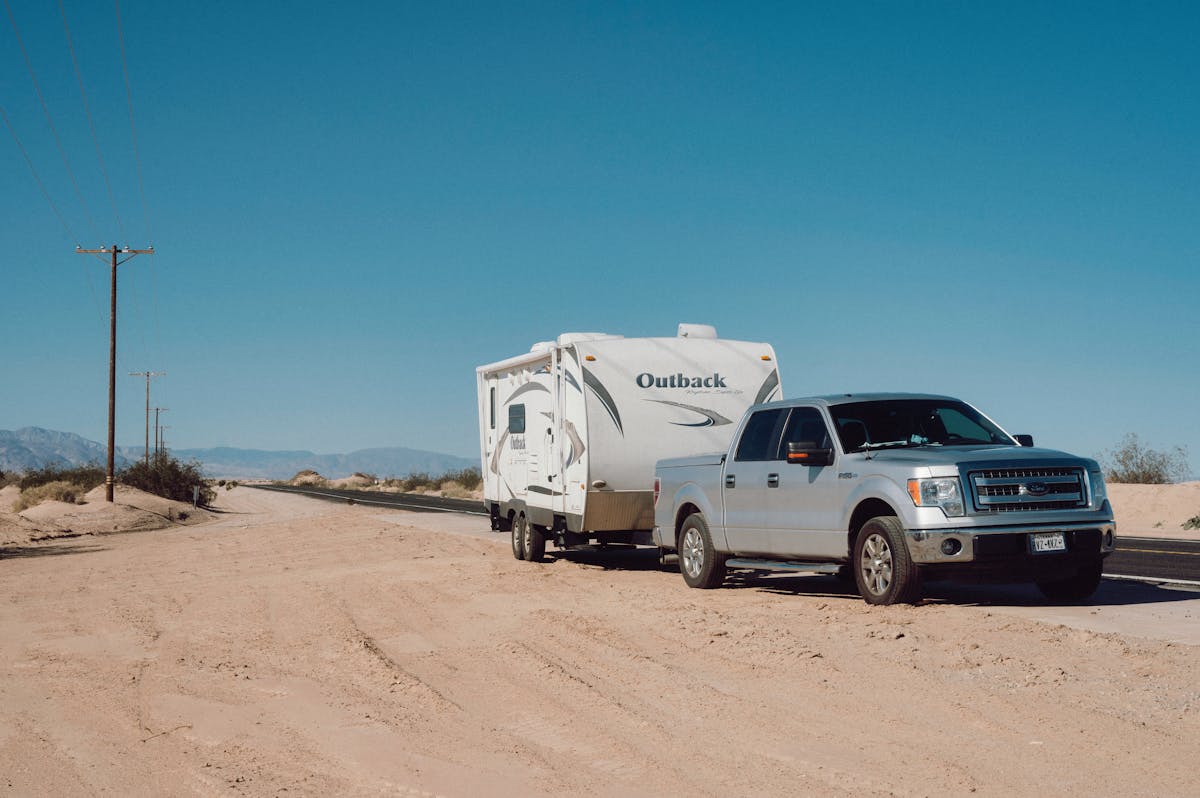
Trucks are built for towing. If you don’t regularly tow heavy trailers, you’re not using a truck’s main advantage.
If we never hook up a trailer, the truck’s main strength is wasted while its biggest compromises remain. We still pay for heavy-duty features we do not use, even if our routine is just groceries and office parking. In that case, a truck is more about image than function, and image alone rarely justifies the cost.
People Who Do Not Haul Messy or Bulky Cargo
The open bed is the pickup’s signature feature, but a bed only matters when we actually need one. If our typical cargo is small items like backpacks or shopping bags, a truck bed is less valuable than it seems.
A crossover with fold-flat seats handles daily cargo more cleanly and securely. When we are not hauling dirty or oversized items, a pickup bed becomes empty real estate we pay for every month.
People Who Want Secure, Weather-Protected Storage
Open cargo space sounds useful until we remember that ‘open’ means ‘exposed’. A truck bed leaves belongings vulnerable to rain, dust, heat, theft, and curious eyes unless we spend extra money on covers, caps, locks, organizers, or storage systems.
That may solve part of the problem, but it adds cost and complexity to a vehicle many buyers already struggle to afford.
If you want secure, weather-protected storage, choose an SUV or hatchback. A truck is usually the wrong tool.
People Who Spend All Their Time on City Streets
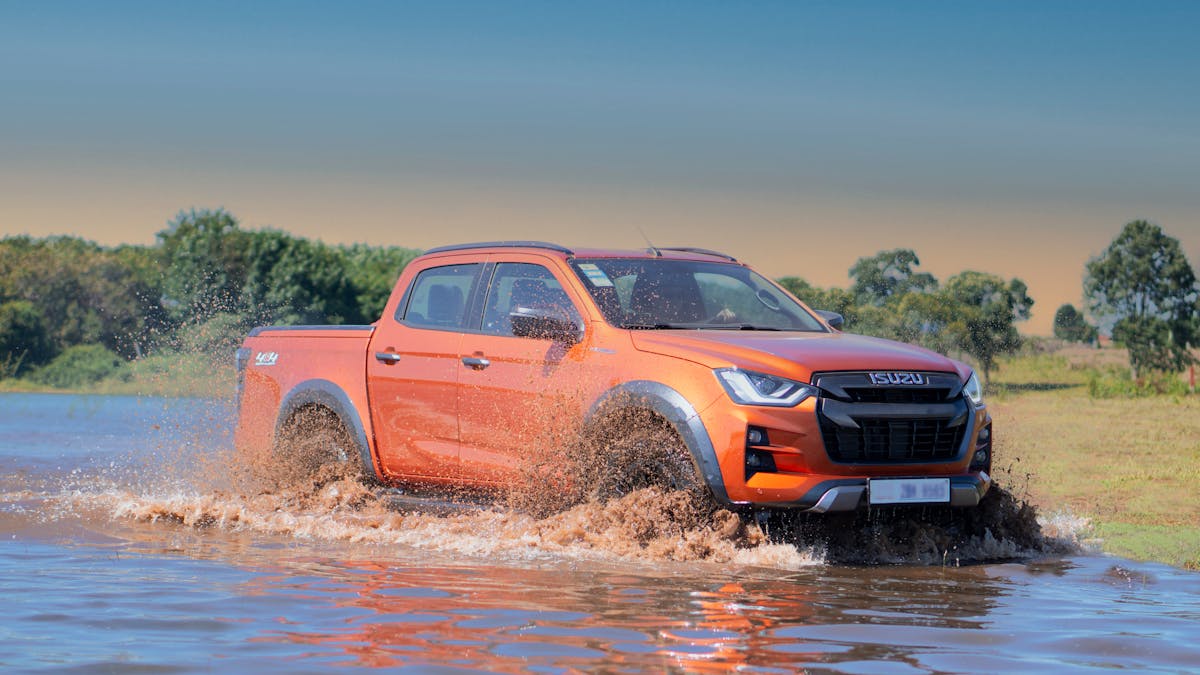
Pickup trucks are often sold through images of mountain roads, muddy trails, job sites, and rough terrain. Real life is less cinematic. Many owners spend nearly all of their time on paved roads, in traffic, between home, work, school, and shopping centers.
That is where the truck’s rugged hardware can feel less like an advantage and more like excess.
Off-road features are only useful if you leave pavement. Otherwise, they just add cost.
People Shopping on a Tight Budget
Budget pressure changes the truck conversation immediately. Pickups are rarely the most affordable way to get dependable transportation.
Even before we reach premium trims, larger cabins, advanced Four Wheel Drive systems, upscale interiors, or towing packages, trucks often command prices that outpace many sedans and compact SUVs.
The purchase price alone can stretch a budget further than it should. Trucks also cost more to own and operate. For value, a sedan or compact SUV is better.
People are trying to Keep Maintenance and Repair Costs Low.
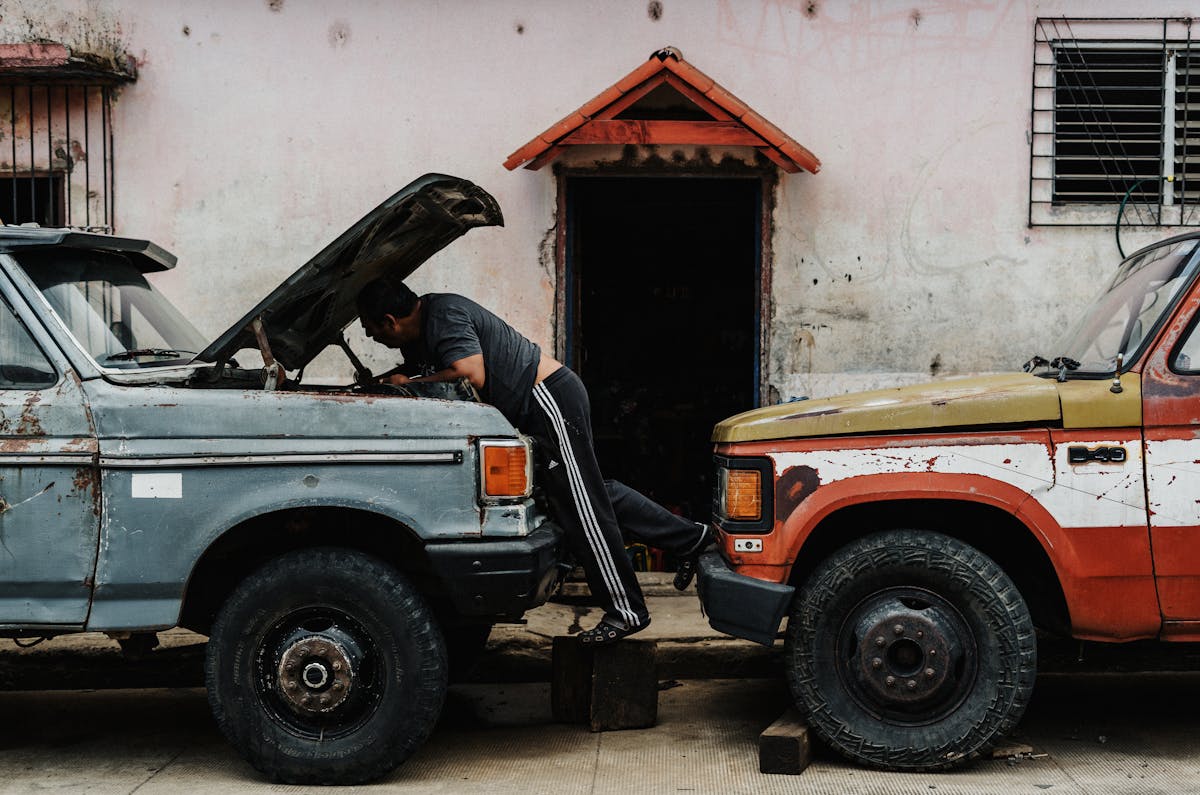
Trucks are expensive to maintain and repair. Unless you need the capability, you pay more for upkeep.For buyers who want predictable, low-stress ownership costs, a smaller vehicle is often the wiser pick. Compact and midsize cars usually cost less to maintain, service, and outfit with replacement tires and routine wear items.
A pickup can absolutely be dependable, but dependability should not be confused with economy. If our top priority is keeping ongoing ownership costs under control, we should be careful before choosing a truck.
People Who Care a Lot About Fuel Economy
Trucks use more fuel than most cars. Fuel economy is a major downside.
That matters even more for commuters, long-distance drivers, and households already watching transportation costs closely. A sedan, hybrid, or compact crossover can save meaningful money over time without forcing major sacrifices in comfort or practicality.
If we spend most of our lives on predictable paved routes and care about stretching every tank, a truck often feels like paying premium running costs for capability we rarely touch.
People Who Need a Truly Flexible Family Vehicle
Trucks can carry people, but are less flexible for families than SUVs or minivans.
Families often need a vehicle that adapts constantly. One day, it is strollers and groceries. The next day, it is backpacks, sports gear, a foldable wagon, a school project, and two tired children. SUVs and minivans usually handle this better because they blend passenger comfort with secure cargo flexibility.
They offer easier access, better third-row options in many cases, and more intuitive storage for daily life. For growing families, a truck can feel roomy at first and restrictive very quickly.
People Who Drive in Tight Spaces Every Day

Trucks are hard to park and maneuver in tight spaces. City drivers will struggle with their size.
This becomes even more frustrating when the truck is configured with a large crew cab or longer bed. What looks impressive in the driveway can feel awkward in multi-level parking, fast food lanes, and cramped urban lots.
If our daily routine involves squeezing through tight spaces, hunting for parking, and navigating congestion, we are likely to enjoy driving a smaller vehicle more. Convenience is not a small thing. It shapes every single day we own the car.
People Who Value Interior Comfort More Than Utility Theater
Many truck buyers are drawn to the lifestyle symbolism as much as the mechanical ability. That is understandable. A pickup suggests action, confidence, and self-reliance.
But if our real priorities are smooth ride quality, quiet cabins, easy entry, efficient storage, and effortless road trip comfort, many non-truck vehicles deliver those qualities more naturally.
Trucks can be luxurious, but at a high price. Crossovers and SUVs offer similar comfort for less.
Conclusion
A truck is not a bad vehicle, just a specific one. For the right owner, it is indispensable. For most others, it is oversized, expensive, and limiting in daily life.
Smart buyers match the vehicle to the job. If you do not need to tow, haul, or use rugged features and care about efficiency and flexibility, admire trucks for what they are, but choose what fits your life.