‘Friends’ and ‘Will & Grace’ Stars Mourn James Burrows, the Director Who Helped America Laugh for Generations
Some people become famous by standing in front of the camera. James Burrows became a legend by standing just behind it.
For decades, Burrows helped shape the rhythm of American television comedy. He directed actors, sharpened jokes, guided pilots, built trust on sets, and helped turn scripts into scenes that families watched from their couches for generations.
Now, after his death at 85, stars from some of television’s most beloved sitcoms are paying tribute to a man many of them saw as more than a director. To them, Burrows was a mentor, a father figure, and one of the quiet architects of American laughter.
His death has sparked emotional messages from actors connected to “Will & Grace,” “Friends,” and other shows that helped define TV comedy. The grief is not only about losing a talented director. It is about losing someone who helped create the feeling behind some of the most familiar shows in American homes.
The Man Viewers Knew Without Knowing His Name
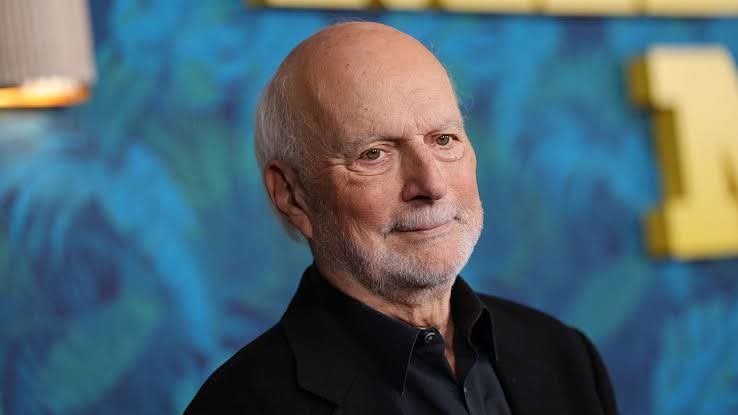
James Burrows’ name may not be as instantly recognizable to casual viewers as the stars he directed, but his work is everywhere.
He directed episodes of “The Mary Tyler Moore Show,” “Taxi,” “Cheers,” “Frasier,” “Friends,” “3rd Rock from the Sun,” and “Will & Grace.” He also co-created “Cheers,” one of the most important sitcoms in television history.
That kind of résumé is not just impressive. It is almost inseparable from the history of American TV comedy.
Burrows understood timing, but he also understood people. Great sitcoms are not built on jokes alone. They are built on chemistry, trust, silence, reactions, and the tiny pauses that make a line land.
That was his gift. He knew how to make actors feel safe enough to be funny.
That is why the tributes feel so personal. The actors are not only praising his career. They are remembering how he made them feel on set.
‘Will & Grace’ Stars Remember Their TV Dad
For the stars of “Will & Grace,” Burrows was central to the show’s identity. He helped shape the original run and the revival, guiding a cast that became one of NBC’s signature comedy ensembles.
Debra Messing, who played Grace Adler, shared an emotional tribute, calling Burrows a legend, an icon, and a singular talent. She remembered him not only as a master of comedy but as someone who held a meaningful place in her life.
Messing also referred to him as a “TV dad,” a phrase that captures the tenderness running through many of the tributes. For actors who spent years working under his direction, Burrows was not just the person calling the shots. He was part of the family structure that forms on long-running shows.
Eric McCormack, who played Will Truman, also honored Burrows as a mentor and dear friend. That word matters. It suggests Burrows did more than tell actors where to stand or when to deliver a line. He helped them grow, trust themselves, and understand comedy more deeply.
For fans of “Will & Grace,” those tributes explain part of what made the show work. The sharp jokes mattered. The cast mattered. But behind the scenes, Burrows helped create the space where the timing, emotion, and chemistry could come alive.
‘Friends’ Cast Members Pay Their Respects

The tributes from the “Friends” family carry their own emotional weight.
Burrows directed several episodes of the hit sitcom and was closely connected to the cast during its early rise. For a show that became one of the most watched and rewatched comedies in the world, those early creative relationships mattered.
Matt LeBlanc remembered Burrows as an icon and reflected on the impact he had on the people lucky enough to work with him. David Schwimmer described him as a mentor and father figure, praising the warmth and generosity he brought to the set.
Lisa Kudrow also honored him publicly, adding her voice to the growing list of stars remembering the man behind the scenes.
The language from the “Friends” cast is revealing. They did not speak about Burrows only as someone who made episodes better. They spoke about someone who helped people feel protected, encouraged, and part of something bigger than a job.
That is powerful because sitcom sets can be demanding. The pressure to make a live audience laugh is real. The pace is fast, the work is technical, and the actors are exposed to viewers and crew members. A director who can make people feel calm in that environment becomes more than a director. He becomes the center of the room.
A Legacy Built Into America’s Favorite Sitcoms
Burrows’ death reminds viewers how many American memories are connected to sitcoms.
Millions of people did not know his name, but they knew his work. They knew the bar in “Cheers.” They knew the apartments in “Friends.” They knew the sharp friendship of “Will & Grace.” They knew the clever rhythm of “Frasier” and the ensemble warmth of shows that became comfort television.
That is the quiet power of a director like Burrows. His work lived inside other people’s performances. He helped actors shine, but he did not need to pull attention toward himself.
In an industry often obsessed with visible fame, Burrows built a different kind of legacy. He became the person trusted to make comedy work.
His career also shows how much craft sits behind something that looks effortless. A great sitcom scene may feel casual to the viewer, but every laugh has structure behind it. The camera angle, the reaction shot, the actor’s confidence, the room’s energy, and the pace of the scene all matter.
Burrows understood that better than almost anyone.
The Man Behind the Laughter Is Remembered
Celebrity tributes after a death can sometimes feel formal. These do not.
The messages from Messing, McCormack, LeBlanc, Schwimmer, Kudrow, and others feel like grief from people who lost someone who helped shape their lives, not just their careers.
That is why this story reaches beyond Hollywood. It touches anyone who has ever had a teacher, coach, boss, mentor, or older guide who saw something in them before the world did. Burrows appears to have been that person for many actors.
He brought discipline, but also warmth. He directed, but also protected. He led, but did not seem to need the spotlight for himself.
James Burrows leaves behind more than credits. He leaves behind a comedic language that shaped how generations laughed.
His shows were watched in living rooms, dorm rooms, apartments, hospital rooms, family homes, and lonely nights when people needed comfort. They became background noise for some viewers and emotional lifelines for others.
The stars are mourning him as a mentor and father figure. Fans may mourn him more quietly by realizing how many of their favorite TV memories bear his fingerprints.
James Burrows spent his life helping other people get the laugh, find the moment, and become unforgettable. Now the people he guided are making sure the man behind the laughter is remembered, too.