John F. Kennedy Center for the Performing Arts May Stay Open, but Its Stages Could Still Go Silent.
The Kennedy Center may not disappear behind locked doors, but a darker possibility is taking shape in Washington: a national performing arts landmark that remains technically open while its stages sit quiet and its public mission fades in plain sight.
After a federal judge blocked a planned two-year closure, Kennedy Center leadership is still weighing whether to shut down the building for a full renovation, partially close it, or move through phased repairs. For now, officials say no further programming has been scheduled.
That detail changes the story. This is no longer just a fight over marble panels, scaffolding, air systems, repairs, or construction dates. It has become a fight over what it means for a cultural institution to remain alive. The Kennedy Center can keep its doors open. Tourists may still pass through public spaces. Visitors may still view parts of the JFK memorial exhibit. But if the stages are dark and no serious effort is made to restore performances, critics argue the building could become what opponents called a “lifeless husk.”
For a venue built to breathe through music, theater, dance, opera, comedy, and public gathering, silence is not a small administrative detail. It is the story.
A Court Blocked the Shutdown, but the Fight Did Not End
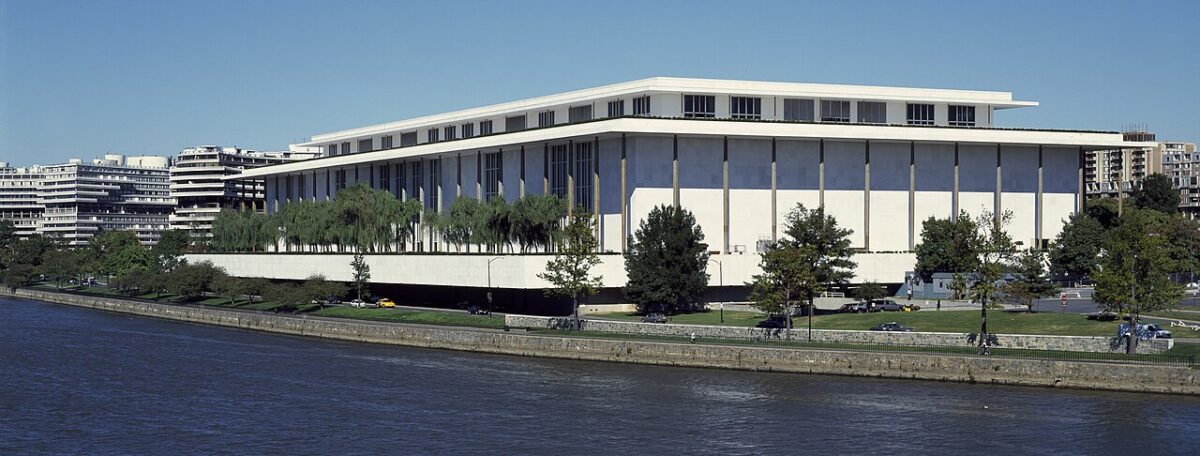
U.S. District Judge Christopher Cooper ruled on May 29 that the Kennedy Center board could not move forward with its plan to wind down programming through the spring of 2026 and close the center entirely, effective July 6, 2026. The judge also ordered President Donald Trump’s name removed from the performing arts center, ruling that the board could not unilaterally rename an institution Congress had named for President John F. Kennedy.
Cooper did not say the Kennedy Center could never be repaired. The court recognized that an aging building may need serious work. But the judge sharply criticized how the closure decision was made, saying the board acted in an “ill-informed” and “seemingly preordained” way without properly considering the full range of the center’s legal and public responsibilities.
A major public building opened in 1971 cannot operate forever without repairs. The question is whether renovation is being used as a responsible plan or as a path toward a shutdown that the court already stopped.
In a Friday filing, Kennedy Center executive director Matt Floca laid out three options expected to go before the board in mid-July. The first is a full closure to accelerate construction, with no public programming. The second is a partial closure, allowing some public access and limited programming in unaffected spaces. The third is a series of phased closures designed to address the most critical infrastructure problems while maintaining more onsite programming.
Those options are not small variations. One treats closure as the price of speed. Another keeps a thin version of public life. The third appears closest to what critics say the court’s order demands: repair the building, but do not empty its soul.
Public Access Is Not the Same as Public Life
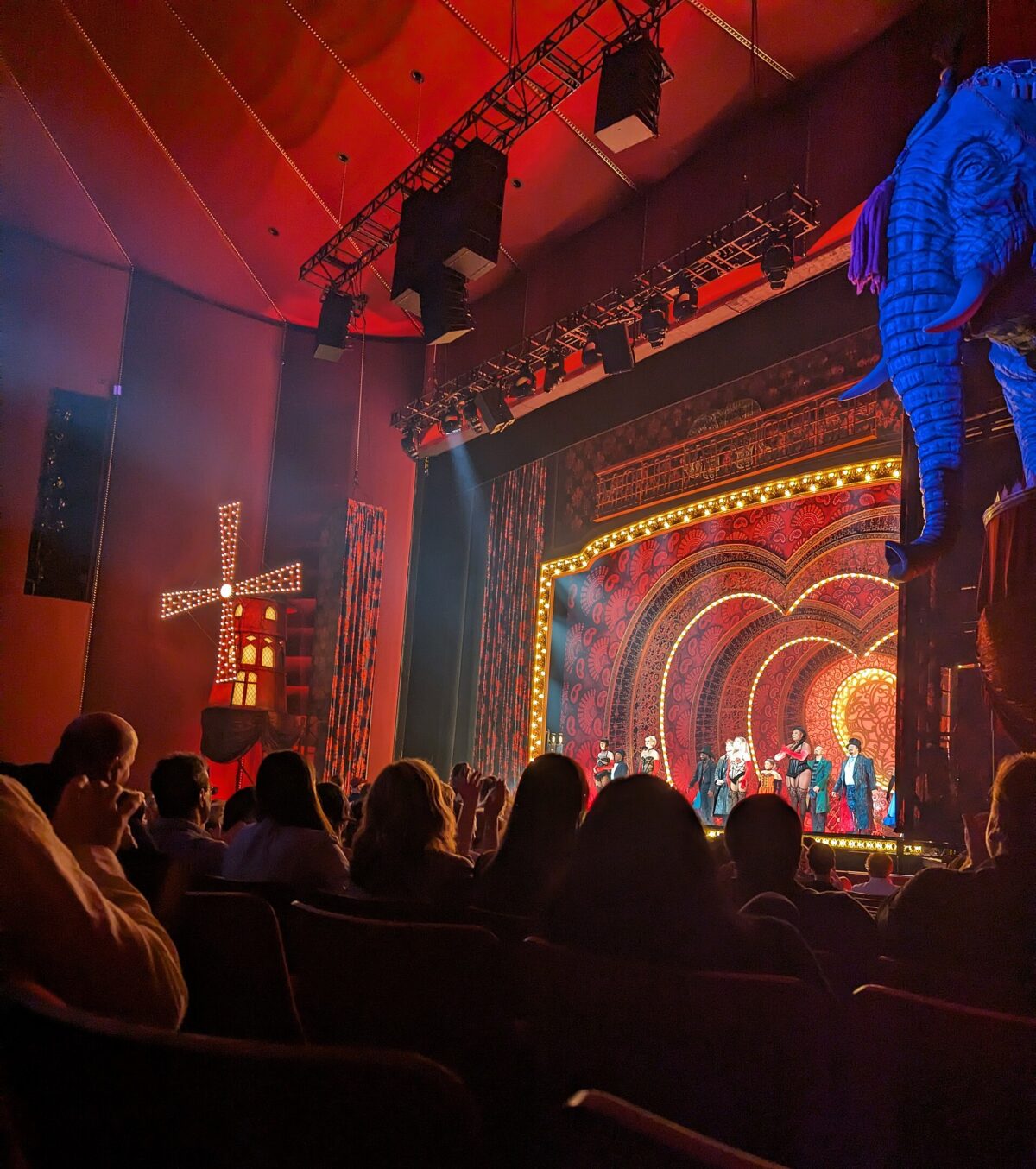
Kennedy Center management says it plans to maintain public access after the original shutdown date. That may sound reassuring. But access to a lobby is not the same as access to art.
The Kennedy Center is not famous because people can walk through it. It is famous because people gather there to witness something. A singer steps into the light. A dancer crosses a stage. A school group hears an orchestra for the first time. A family takes in a free performance.
According to the National Trust for Historic Preservation, the Kennedy Center normally hosts about 2 million visitors a year, draws about 1.6 million ticket buyers, serves about 1.4 million students, and presents more than 2,200 performances and exhibits. Its Millennium Stage has offered free performances every day, reaching large in-person and online audiences. The center is not merely a marble monument on the Potomac. It is a machine of public culture.
That is why the programming pause feels so consequential. If an institution built around performance stops programming, even temporarily, it disrupts artists’ schedules, audience habits, ticket revenue, education programs, workers’ livelihoods, and the cultural rhythm of the city.
Washington has many memorials where visitors stand in silence. The Kennedy Center was designed to be different. It is a living memorial, meaning the tribute to Kennedy is not only in stone, letters, and exhibits. It is in the work performed there, the audiences gathered there, and the national promise that the arts belong in public life.
The Calendar Is the Real Test
The latest filing added another line that may become central to the next phase of this fight. Justice Department lawyers said Kennedy Center management had not yet taken “affirmative steps” related to programming or staffing.
That is the line critics seized on. Rep. Joyce Beatty, the Ohio Democrat and Kennedy Center board member who helped bring the lawsuit, has argued that the center’s leaders could be restoring programming but are instead allowing the shutdown to proceed out of inertia. In the plaintiffs’ view, failing to rebuild the calendar while claiming the building remains open is a way of obeying the court’s order only on paper.
The Kennedy Center’s lawyers argue the court did not require the board to reschedule previously canceled shows or seek new programming. That may be a legal argument. But culturally, it is a hard sell.
A performing arts center without programming is not functioning as a performing arts center. It may be operating as a public building, but the core promise is weaker.
If the board truly intends to maintain the center’s mission while repairs are considered, the public will expect visible action: schedules, staffing plans, artist communication, education programming, free events, and a clear explanation of what can continue safely during construction. Without those details, silence becomes suspicious.
The Tarp Has Become a Symbol
The visual drama outside the building has only deepened the controversy. After Cooper ordered Trump’s name removed, the administration complied following a failed last-minute appeal. But scaffolding and a tarp remained over part of the building, obscuring the public’s view of the restored façade and the continued presence of Kennedy’s name.
Kennedy Center officials have said the scaffolding is tied to maintenance needs involving marble and soffit panels. Opponents argue that the covering appears semi-permanent and prevents the public from fully seeing that Trump’s name has been removed.
In Washington, symbols carry weight. Names on buildings matter. Memorials matter. Tarps matter when they cover the face of an institution in the middle of a political and legal fight over who controls its identity.
Renovation Cannot Become Erasure.
The Kennedy Center may genuinely need serious renovation. Old buildings age. Mechanical systems fail. Public spaces need safety work. A major arts campus on the Potomac cannot be preserved by sentiment alone.
But renovation should strengthen a cultural landmark, not hollow it out.
That is the choice now facing the board. A full closure may be faster for construction crews, but it would likely deepen legal, political, artistic, and public backlash. A partial closure may preserve some life while leaving major questions about fairness, access, and scheduling. A phased repair plan may be slower and more complicated, but it could protect the Kennedy Center’s essential identity as a place where performances continue, even during disruption.
The center’s leaders have a chance in mid-July to show that repair and public life need not be enemies. They can publish a clear plan, identify which spaces are unsafe, explain what staffing is needed, and commit to free and paid programming where possible.
The danger is not only that the building might close. The danger is that it might remain open in the weakest possible sense.
A living memorial cannot live on empty corridors alone. It needs sound, movement, crowds, students, artists, workers, applause, argument, beauty, and surprise. It needs the public to believe that the institution is still serving them.
For now, the doors may stay open. The board may still vote. The renovation may still move forward in some form. But until the stages come back to life, Washington’s most visible arts landmark will remain caught in doubt.