8 Waffle Mistakes That Keep Them From Getting Crisp
Waffles seem simple until the first one comes out pale, limp, and determined to cling to the iron. The good news is that most waffle disasters are not recipe failures. They are small heat-and-timing mistakes that can be fixed before the coffee finishes brewing.
A crisp waffle is usually the result of a few careful habits: starting with the right heat, handling the batter properly, and giving the finished waffle a chance to stay crisp after it leaves the iron. Here are eight common mistakes that can stand between you and a better breakfast.
Not Preheating the Waffle Iron
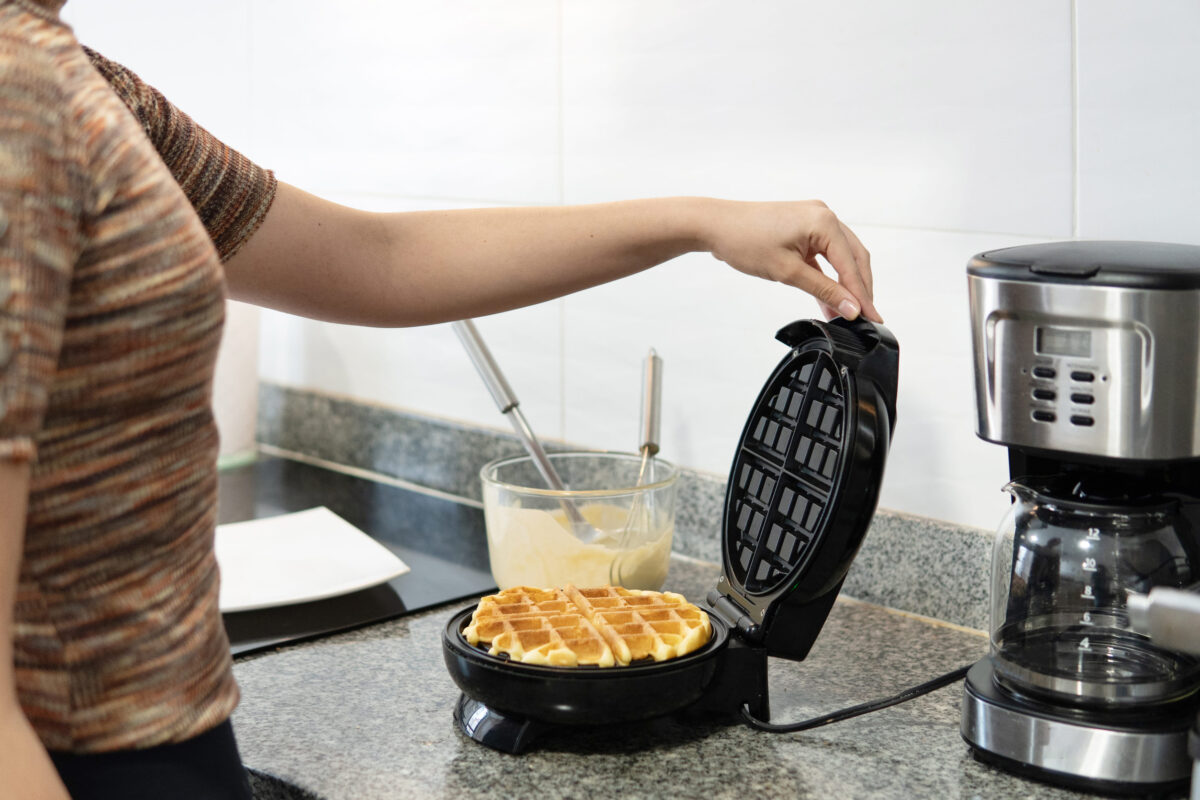
Batter needs to hit a properly heated surface to begin cooking, browning, and releasing steam right away. Starting with a lukewarm iron can leave waffles pale and soft instead of giving them the texture people expect.
King Arthur Baking recommends preheating the waffle iron according to the manufacturer’s instructions. Giving the machine time to heat fully is one of the simplest steps toward a better waffle.
Overfilling the Iron
Adding too much batter might seem like a shortcut to making a bigger waffle, but it can create uneven results. Excess batter can spill over the sides and may leave the waffle dense or unevenly cooked.
The right amount depends on the waffle maker because each machine has its own capacity. Use enough batter to cover the cooking surface without flooding the iron.
Overmixing the Batter
A perfectly smooth batter is not always the goal when making waffles. Mixing too much can overdevelop gluten and leave waffles with a tougher texture instead of a lighter, more tender bite.
Mix only until the ingredients come together. A few small lumps are not necessarily a problem when the recipe is designed that way.
Ignoring Whipped Egg Whites When the Recipe Calls for Them
Some waffle recipes separate the eggs and rely on whipped egg whites as part of the process. Those whites need to be folded in gently to help create the texture the recipe is aiming for.
Skipping this step or stirring the whites too aggressively can affect the final result. This only applies to recipes that specifically call for separated eggs, so follow the method provided.
Opening the Lid Too Early
It can be tempting to peek at a waffle before it seems finished, but opening the iron too soon can cause problems. If the waffle has not fully set, pulling the lid open can tear it.
Wait until most of the steam has slowed down and the lid lifts easily. If the waffle is still sticking, it likely needs more time.
Following the Clock Instead of the Waffle
A timer can help, but cooking times are not identical for every waffle maker or batter. A waffle is usually a better guide than a fixed number of minutes.
Look for signs like a deep golden color, easy release from the iron, and reduced heavy steam before deciding it is ready.
Taking Waffles Out Too Pale
A waffle can be cooked through and still miss the crisp finish many people want. Removing it too early may leave the outside lighter and softer than expected.
For recipes designed for a crisp result, allow the waffle to reach a richer golden-brown color before taking it out of the iron.
Stacking Finished Waffles on a Plate
A stack of hot waffles may look inviting, but trapped steam can quickly soften the outside. The moisture from one waffle can affect the texture of the others sitting underneath or on top.
Keep finished waffles in a single layer on a rack in a low oven while completing the batch. This helps them maintain their crisp texture until serving.
Great waffles are not about complicated equipment or difficult techniques. They come down to protecting the details that matter most: heat, batter handling, and timing. Avoid these common mistakes, and your waffle iron has a better chance of delivering the crisp breakfast you were hoping for.