Florida Alligator Attack Kills 31-Year-Old Woman Swimming In Econlockhatchee River Near Orlando.
A summer hike in Central Florida turned deadly when a 31-year-old woman was killed by an alligator while swimming in the Econlockhatchee River in Seminole County. The attack happened Sunday near the Barr Street Trailhead in Little Big Econ State Forest, a popular outdoor area north of Orlando known for hiking, paddling, biking, fishing, and wildlife viewing.
Officials said the woman had been hiking with her boyfriend and best friend before the group stopped to swim. They were in about 3 feet of water when an alligator attacked, biting the woman on both arms. Her boyfriend called 911 and tried to free her from the animal, according to Florida Fish and Wildlife Conservation Commission spokesperson Chad Weber.
The woman was taken from the scene as a trauma patient, but officials said she died from her injuries. Authorities had not publicly released her name as of the latest available reports, with officials still working through family notification.
A Deadly Stop Along the Econlockhatchee River
The Econlockhatchee River, often called “the Econ,” cuts through a stretch of Central Florida where suburban growth meets old Florida wilderness. For many locals, Little Big Econ State Forest is a familiar weekend escape. It offers trails, river views, camping access, fishing spots, and paddling routes, but wildlife officials say Florida waters always carry risk.
The attack occurred around 1:30 p.m. Sunday near the Barr Street Trailhead, according to local reports citing FWC officials. That detail matters because this was not a remote Everglades encounter or a night swim in a hidden pond. It happened in a known recreation area within driving distance of Orlando-area neighborhoods.
FWC officials said the group had stopped after a long hike and entered shallow water. The attack unfolded quickly. Weber said the boyfriend made the emergency call and tried to pull the woman from the alligator’s mouth.
Two Massive Alligators Captured After Fatal Attack
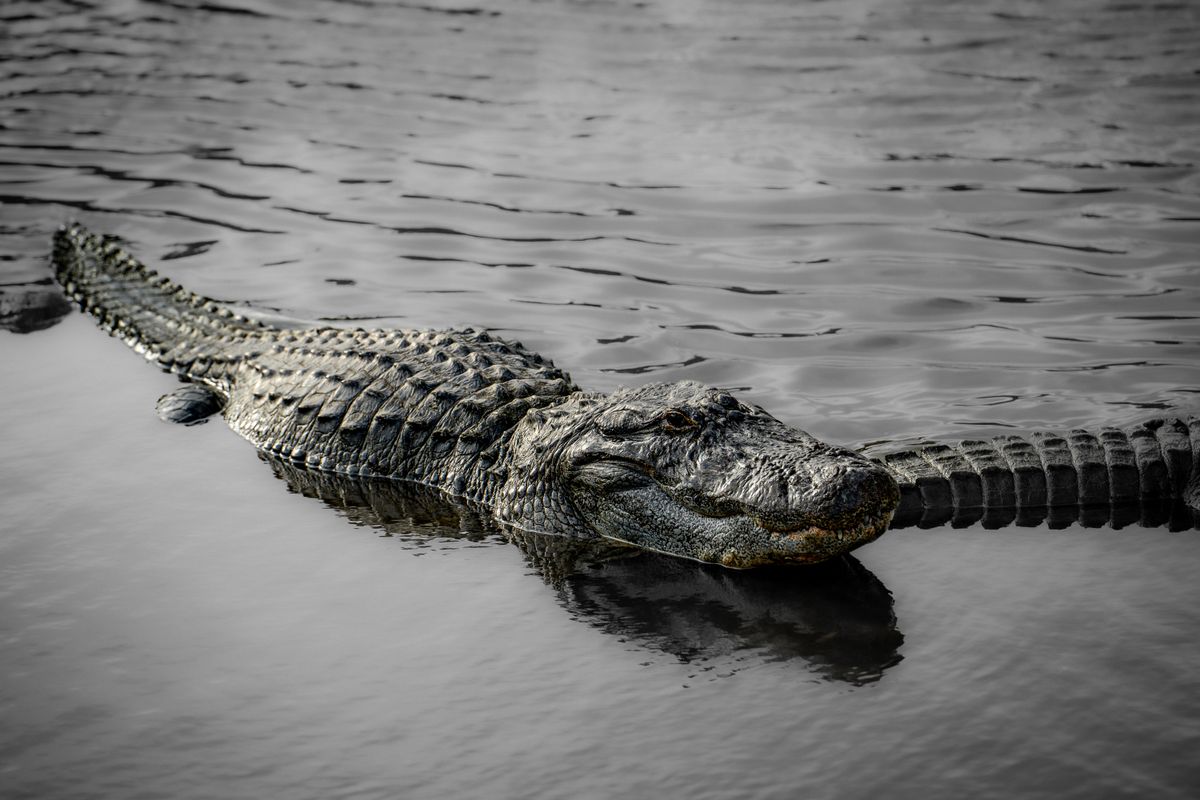
After the woman died, wildlife officials and contracted trappers focused on the area around the river. Two large alligators were captured: one measured about 12 feet, and the other measured about 13 feet. FWC officials described the 13-foot animal as very large, and local reporting said it was found directly at the scene while the 12-foot alligator was found nearby.
Officials said DNA samples were being sent to a Gainesville lab to determine whether either animal was involved in the fatal attack. That testing is a key step because large alligators may share the same section of river, and investigators must match evidence rather than assume which animal was responsible.
The Barr Street Trailhead was closed while the investigation continued. The Florida Forest Service also said there are no designated swimming areas within Little Big Econ State Forest, and signage at the Barr Street Trailhead warns visitors about alligator activity.
Why This Seminole County Attack Hits a Local Nerve
For Central Florida residents, the story carries a sharper warning than a typical wildlife headline. The attack happened near Geneva and within the broader Orlando region, where people often move between neighborhoods, state forests, lakes, rivers, and retention ponds without thinking of them as dangerous habitats.
FWC says alligators live in all 67 Florida counties and can be found in nearly all fresh and brackish bodies of water. The agency estimates Florida has about 1.3 million alligators statewide across about 6.7 million acres of suitable habitat.
That does not mean every pond, riverbank, or marsh is unsafe every minute of the day. It does mean Florida’s water culture comes with a permanent wildlife reality. Swimming, fishing, paddling, and hiking often happen in the same spaces where alligators hunt, nest, move, and defend territory.
Serious Alligator Attacks Remain Rare, But the Risk Is Real
FWC’s human-alligator incident fact sheet says alligator fatalities are rare, but it also shows why officials keep repeating safety warnings. From 1948 to 2022, Florida recorded 453 unprovoked bite incidents, including 26 fatal bites. Over the most recent 10-year period covered by the fact sheet, the state averaged 8 serious, unprovoked bites per year that required professional medical treatment.
The agency also estimates the chance of a Florida resident being seriously injured in an unprovoked alligator incident at roughly 1 in 3.1 million. That number may sound reassuring, but it should not erase the danger of entering natural water where alligators may be present. Rare events still become devastating when people are caught in the wrong place at the wrong moment.
FWC’s guidance says alligator bites are most likely to happen in or near water. The agency warns that alligators can lunge several feet from the shoreline, even though they are not built to chase prey over long distances on land.
A Week of Central Florida Alligator Incidents Raises Concern
This fatal Seminole County attack came during a tense week for Central Florida wildlife officials. Other reports described additional alligator attacks in the region, including a juvenile bitten on the hand while fishing in Marion County and another person bitten while recreating on Rainbow River.
FWC has continued to stress that serious injuries remain uncommon, but the cluster of incidents has renewed attention on warm-weather behavior, mating season, shoreline safety, and public awareness. Weber said officials could not pinpoint what triggered the attack on the Econlockhatchee River, but noted that the end of alligator mating season was approaching and that alligators can be territorial during that period.
The central lesson is not to panic. It is a caution. Florida’s rivers and lakes are not swimming pools, even when the water is calm, shallow or familiar.
What FWC Tells People to Do Around Alligators
FWC advises people to stay alert around fresh and brackish water, never swim outside posted swimming areas, and swim only during daylight hours because alligators are most active between dusk and dawn. The agency also warns people never to feed alligators, because feeding can cause the animals to associate people with food.
The state’s nuisance alligator program allows people to report alligators believed to pose a threat to people, pets or property. Generally, FWC considers an alligator a nuisance if it is at least 4 feet long and believed to be a threat.
FWC also says nuisance alligators are not typically relocated because moved alligators often try to return to their capture sites and can create new problems along the way. The agency says Florida’s alligator population remains healthy and stable, so removal of nuisance animals does not significantly affect the statewide population.