10 Signs of Stress Your Body May Be Trying to Warn You About
Stress has a way of acting innocent at first. It shows up as a busy week, a difficult conversation, a tight deadline, a bill you keep pretending not to see, or that one problem that follows you from the kitchen to the bedroom like a shadow. Then your body starts joining the argument. A headache arrives. Your stomach flips. Your shoulders feel like they have been carrying furniture. Your sleep breaks into pieces, your skin acts up, and your energy disappears before lunch. That is the part many people miss. Stress is not just a feeling. It can become a full-body signal, and the sooner we notice it, the better our chance of stopping it before it turns into burnout.
Here are some physical signs you should always be on the lookout for.
Your Neck and Shoulders Feel Tight All the Time
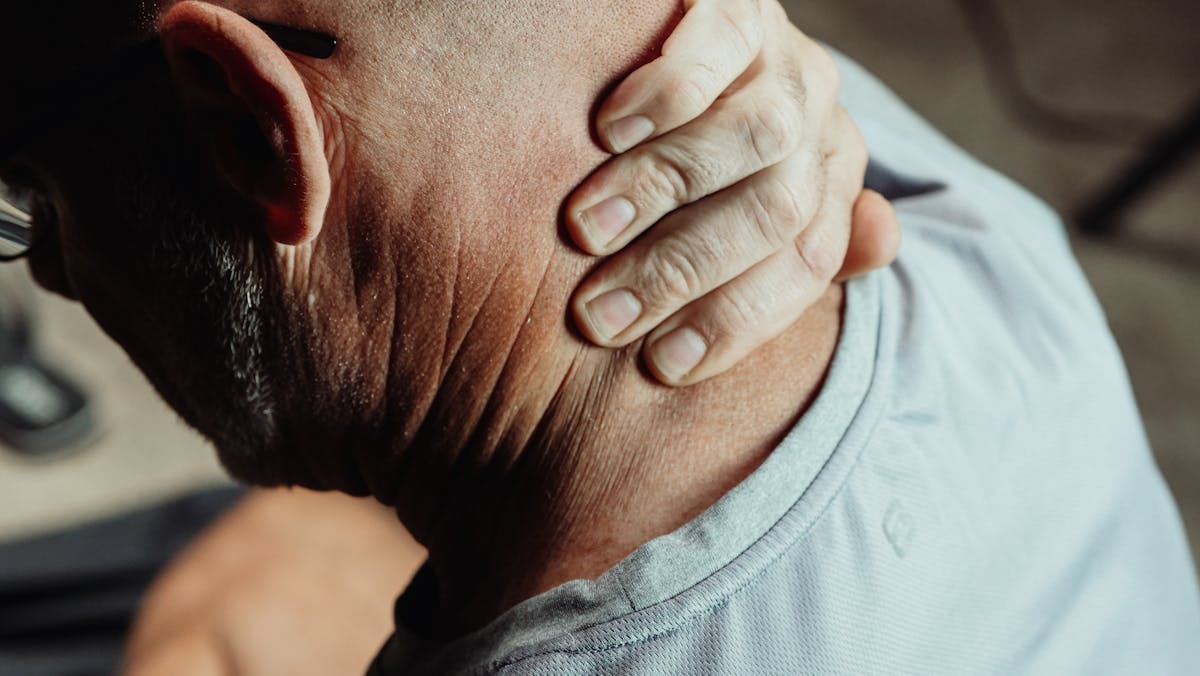
Stress often settles in the body before we fully admit we are overwhelmed. The neck, shoulders, upper back, and jaw are usually the first places to complain. You may notice your shoulders creeping upward, your jaw clenching during the day, or a heavy ache at the base of your skull after work.
This happens because the body prepares for pressure by tightening the muscles. That response makes sense in a real emergency, but it becomes exhausting when the “emergency” is a full inbox, family tension, money stress, or weeks of poor sleep. If your neck feels stiff even after resting, your body may be telling you that your stress level has moved from mental noise to physical strain.
Headaches Start Showing Up More Often
Stress headaches may present as a tight band around the forehead, pressure behind the eyes, or a dull ache extending from the neck to the scalp. They often occur after extended screen time, inadequate sleep, missed meals, challenging conversations, or mentally demanding days. While the pain may be mild, it can significantly reduce focus and patience.
The tricky part is that headaches can create more stress, which then feeds the headache cycle. You feel pain, you worry about the pain, your muscles tighten more, and your day becomes harder to manage. Hydration, sleep, gentle stretching, regular meals, and screen breaks are some ways to help your mental health and reduce stress.
Your Stomach Feels Like It Has Its Own Anxiety
Stress and the stomach have a very close relationship. You may feel nausea before a meeting, cramps after an argument, bloating during a tense week, or sudden bathroom changes when life feels chaotic. The gut and brain constantly communicate, so emotional pressure can quickly become digestive discomfort.
Some people lose their appetite when stressed. Others snack more, crave comfort foods, or feel hungry and nauseated at the same time. Stress can also make existing digestive problems feel worse, especially if caffeine, alcohol, rushed meals, or poor sleep are part of the routine. If stomach pain is severe, persistent, or accompanied by blood, vomiting, fever, or unexplained weight loss, it warrants medical attention.
Your Heart Races Even When You Are Sitting Still

A pounding heart can be one of the scariest physical signs of stress. You may feel your heart beating faster, fluttering, or thumping in your chest during a stressful moment, even when you are not exercising. That can happen when the body releases stress hormones that prepare you to react quickly.
Still, chest symptoms should never be dismissed too casually. Stress can cause racing sensations, but heart problems can also feel like pressure, tightness, shortness of breath, pain spreading to the arm, jaw, back, or shoulder, sweating, dizziness, or nausea. If chest discomfort feels new, severe, unusual, or frightening, it is safer to seek urgent medical care rather than assume it is “just stress.”
You Feel Exhausted But Still Cannot sleep.
Stress can create a miserable contradiction. You feel tired all day, but once you lie down, your mind acts like it just drank three cups of coffee. You replay conversations, worry about tomorrow, remember unfinished tasks, and suddenly feel wide awake when your body desperately needs rest.
Insufficient sleep can make stress harder to manage the following day, leading to irritability, reduced focus, and reliance on caffeine or other unhealthy habits. Establishing a consistent bedtime routine, limiting screen time and caffeine in the evening, and creating a calming pre-sleep environment can help improve rest.
You Keep Getting Sick or Feeling Run Down
When stress hangs around too long, the body may have a harder time recovering. You might catch colds more often, feel slow to bounce back, or walk around with that low-level “almost sick” feeling. Stress does not work alone here. It often teams up with poor sleep, rushed meals, less movement, and weaker self-care habits.
Feeling run down all the time is not a badge of honor. It is a warning light. The body needs recovery space, not just another motivational speech. Better sleep, steady meals, hydration, movement, and real breaks can support the immune system. If frequent illness, fever, swollen glands, severe fatigue, or unexplained weight loss continue, a medical checkup is important.
Your Skin Starts Breaking Out, Itching, or Flaring Up
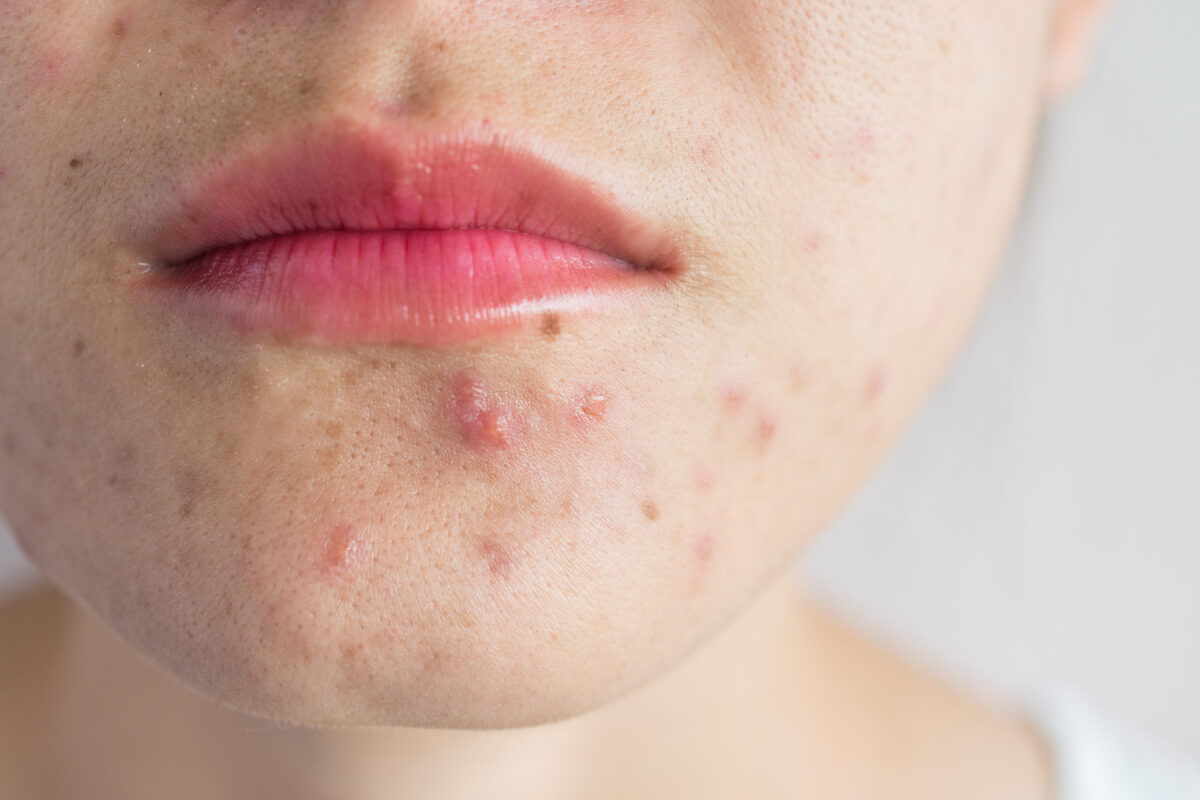
Stress can show up on the skin in frustrating ways. Acne may become more inflamed, eczema may flare, hives may appear, or your skin may suddenly feel itchy and sensitive. It can feel unfair because you may be using the same products and eating the same foods, yet your skin behaves as if something has changed.
Something has changed. Your stress level may be pushing your body into a more inflamed, reactive state. Stress can also make people touch their face more, sleep less, pick at blemishes, skip skincare, or eat in ways that worsen flare-ups. Skin changes are not always caused by stress, but if they appear during intense life pressure, your nervous system may be part of the story.
Your Hair Starts Shedding More Than Usual
Stress-related hair shedding can feel shocking because it often appears after the hardest moment has passed. You may go through grief, illness, job pressure, relationship stress, or a major life change, then weeks later notice more hair in the shower, brush, or pillow. That delay can make the shedding feel mysterious.
Fortunately, stress-related hair shedding is often temporary. It is important to monitor symptoms and remain calm. Hair loss can also result from thyroid disorders, iron deficiency, hormonal changes, medications, scalp conditions, or nutritional deficiencies. If hair loss is severe, patchy, painful, or persistent, consult a healthcare professional or dermatologist.
Your Weight, Appetite, or Cravings Suddenly Change
Stress can disrupt appetite in both directions. Some people barely feel hungry because their stomach feels tight. Others crave salty, sweet, or high-calorie foods because the body wants quick comfort and fast energy. Neither reaction means you are weak. It means your body is responding to pressure.
Over time, stress can disturb the habits that keep energy stable. You may skip breakfast, eat late, snack while distracted, drink more alcohol, rely on caffeine, or move less. Those patterns can affect weight, digestion, mood, and sleep. A helpful reset is not punishment. It is steady meals, protein, fiber, water, sleep, and movement that make the body feel safe again.
Your Brain Feels Foggy, and Your Patience Disappears

Stress does not only affect the body from the neck down. It can make the brain feel cloudy, slow, and scattered. You may forget simple things, reread the same sentence, lose your train of thought, or struggle to make small decisions. Even basic tasks can feel strangely heavy.
This brain fog often comes with irritability. Little things feel louder. People feel more annoyed. A small delay, messy room, or unanswered message can suddenly feel like the final straw. That does not mean you are becoming a difficult person. It may mean your nervous system has been running on overload for too long and needs real recovery, not just another forced push through the day.
Conclusion
Stress rarely stays polite. It moves through the body, tightens the muscles, disturbs the stomach, steals sleep, drains energy, irritates the skin, changes appetite, and clouds the mind. The signs can look small at first, but together they can reveal a body that has been trying to get your attention for a long time.
The goal is not to live without stress. That is not realistic. The goal is to notice when stress stops being a passing mood and starts becoming a physical pattern. When your body keeps sending the same warning signs, it is not being dramatic. It is asking for rest, support, better boundaries, and sometimes medical care. Listening early can make the difference between a stressful season and a full-body crash.