8 Recipes From World War II Cookbooks That Families Actually Made
During World War II, the American kitchen became part of the war effort. Sugar, meat, butter, coffee, and canned goods were rationed, and families had to learn new ways to feed themselves. Women were told that careful cooking at home helped the soldiers overseas.
Cookbooks, magazines, and government pamphlets filled with recipes designed for the times. They showed how to stretch a pound of meat, bake a cake without eggs, and use honey or corn syrup instead of sugar. Nothing was wasted, and creativity was a necessity.
Many of these dishes were born from hardship, yet some families kept making them long after the war ended. Here are eight recipes from World War II cookbooks that families actually made, and the stories behind them.
1. Meatless Loaf and Stretched Meatloaf
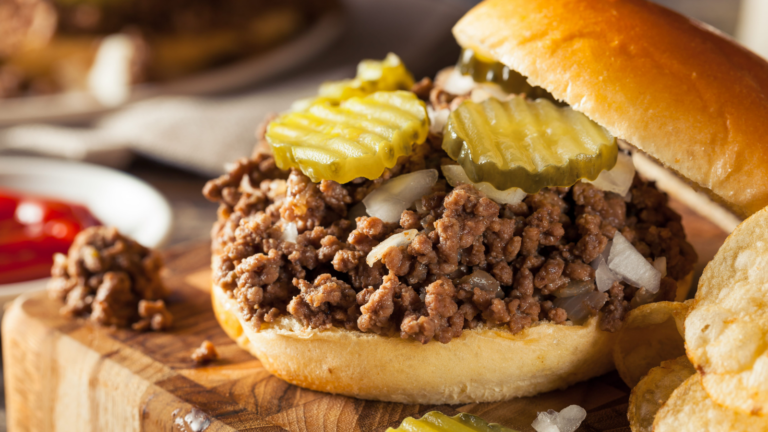
With meat rationed, cooks found ways to make a little go a long way. Meatloaf was stretched with oats, bread crumbs, rice, or grated vegetables. Some recipes used beans, peanuts, or cheese in place of meat entirely.
These loaves were filling and inexpensive. They helped families make the most of their ration points. The National WWII Museum explains how rationing shaped what families could buy.
Many families kept making stretched meatloaf long after the war. It became a budget-friendly staple. Today, adding oats or vegetables to meatloaf is still a common trick.
2. Wacky Cake, or Depression Cake
Wacky cake was a chocolate cake made without eggs, butter, or milk. It used flour, sugar, cocoa, baking soda, vinegar, oil, and water. The batter was often mixed right in the baking pan.
The recipe became popular during the Depression and remained useful during wartime rationing. It was moist, chocolatey, and easy to make. Many families still bake it today.
Wacky cake is a great example of making something special from simple ingredients. It is sometimes called crazy cake or war cake. Its popularity has lasted for generations.
3. Spam Dishes
Spam was introduced by Hormel in 1937 and became a wartime staple. It was shipped overseas to soldiers and used at home as a substitute for fresh meat. Families fried it, baked it, and added it to casseroles.
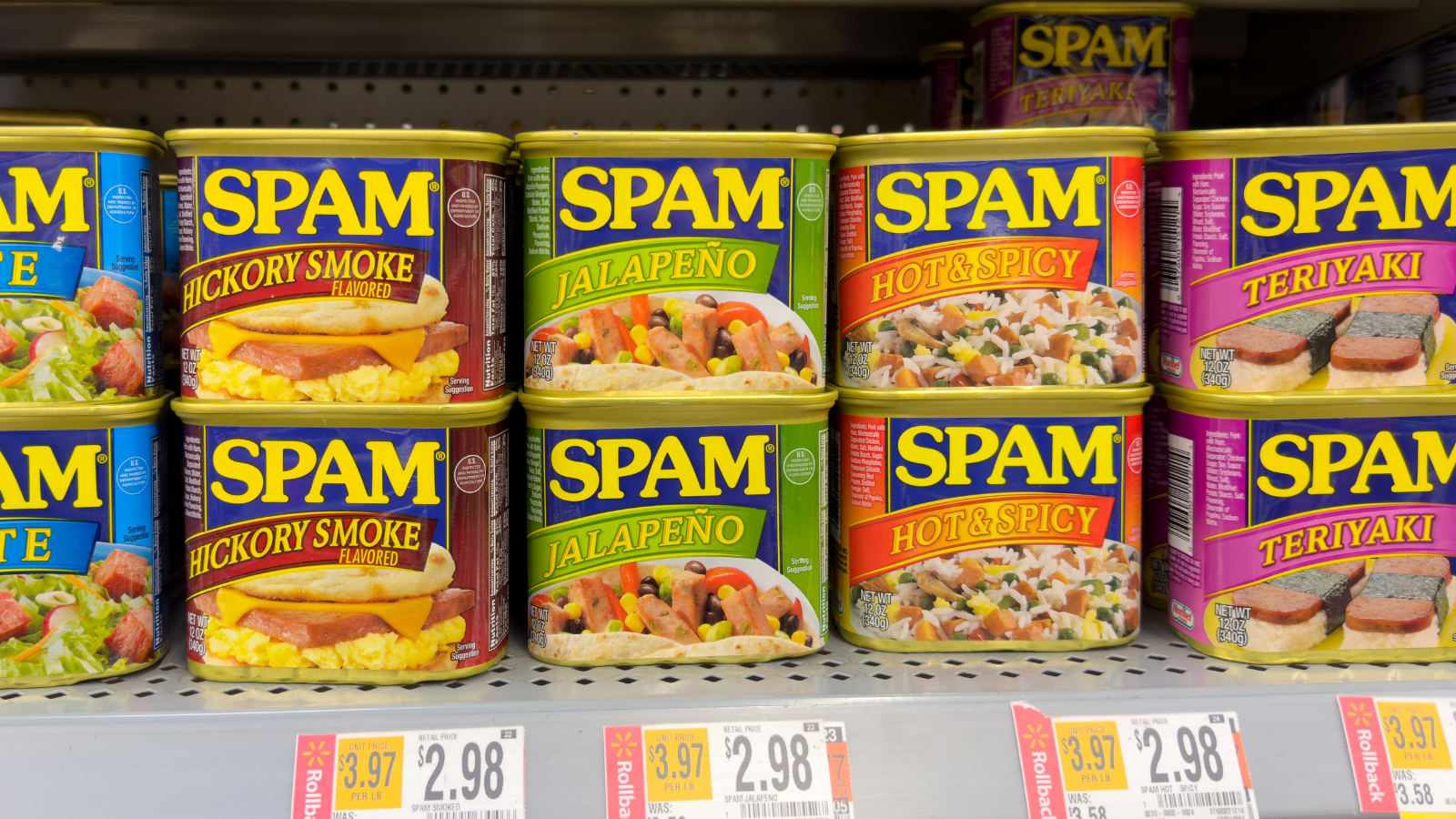
Time magazine has explored Spam’s history and its role in World War II. Spam and eggs, Spam sandwiches, and baked Spam with a glaze were common meals. Many soldiers came home tired of it, but others developed a lifelong fondness.
Spam remains popular today, especially in Hawaii. It is a reminder of how wartime shaped American food. Many families still make Spam dishes from old recipes.
4. Victory Garden Vegetable Soups
Americans were encouraged to plant victory gardens to grow their own vegetables. Millions of families did, producing a large share of the nation’s fresh vegetables. The National WWII Museum has described how these gardens supported the war effort.
Vegetable soups were a natural way to use the harvest. Cooks combined tomatoes, carrots, beans, cabbage, and potatoes into hearty soups. Some recipes included a small amount of meat or bones for flavor.
These soups were nutritious and economical. They could be made in large batches and stretched for days. Many families kept their victory gardens and soup recipes after the war.
5. Mock Apple Pie
Mock apple pie was made without apples. Instead, it used crackers soaked in a sugar syrup with lemon juice and cinnamon. The result tasted surprisingly like apple pie.
The recipe became famous through Ritz crackers, which printed it on their boxes in the 1930s. It remained popular during the war, when fresh fruit could be scarce in some areas. Many families were amazed at how real it tasted.
Mock apple pie is still a curiosity today. Some people make it to see if guests can tell the difference. It is a fun example of wartime creativity.
6. Honey and Corn Syrup Desserts
Sugar was one of the first foods rationed in the United States, starting in 1942. Cooks turned to honey, corn syrup, molasses, and maple syrup instead. Cookbooks offered recipes for cakes, cookies, and puddings that used little or no sugar.
Honey cookies, molasses cakes, and corn syrup puddings became common. These desserts had different flavors and textures than sugar-based treats. Many families came to love them.
These recipes taught cooks how to adapt. They also showed that delicious desserts could be made with less sugar. Some of these recipes are still used today.
7. Organ Meats and Less Popular Cuts
With prime cuts of meat scarce, the government encouraged families to eat organ meats and less popular cuts. Liver, kidneys, heart, and tongue were promoted as nutritious and patriotic. These cuts required fewer ration points.
Cookbooks offered recipes for liver and onions, stuffed heart, and tongue sandwiches. Many families tried them for the first time during the war. Some continued to eat them afterward.
Today, organ meats are less common in American diets. But many older Americans remember eating them as children. Liver and onions remains a diner classic.
8. Eggless, Butterless, Milkless Cake Variations
Beyond wacky cake, many wartime recipes created cakes without key ingredients. Some used applesauce, mashed potatoes, or carrots for moisture. Others used shortening or bacon fat in place of butter.
These cakes were often dense but flavorful. They showed how cooks could make treats despite shortages. Many of these recipes appeared in community cookbooks.
Carrot cake, for example, gained popularity partly because carrots added sweetness and moisture. Some historians link its rise to wartime rationing. Today, it is a beloved dessert.
Where Families Found These Recipes
Wartime recipes came from many places. Government agencies printed pamphlets, newspapers ran weekly columns, and food companies published booklets showing how their products could stretch rations. Women also traded recipes at church, at work, and over the back fence.
Community cookbooks put together by churches and women’s clubs were especially popular. They collected the best ideas from local cooks and were often sold to raise money for the war effort. Many families still have these spiral-bound books, their pages stained from years of use.
Why These Recipes Mattered
These recipes were more than food. They were a way for families to support the war effort and stay healthy. Cooking became a patriotic act.
Many of the habits learned during the war lasted for decades. Families became skilled at stretching food and avoiding waste. Those habits are reflected in the Depression-era foods that came before and the thrifty cooking that followed.
Lessons for Today
Wartime recipes offer lessons for modern kitchens. They show how to cook creatively with limited ingredients. They also show how to reduce waste and save money.
Many of these dishes are still worth making, especially when budgets are tight, alongside other clever frugal living tips. Did your parents or grandparents make any wartime recipes, and do you still make them today?