Gas prices in the U.S. are finally easing, but drivers are still stuck in an expensive fuel reality.
Gas prices across the United States are showing early signs of relief in 2026, but the situation at the pump is still far from comfortable for most drivers. After months of volatility, national averages have begun to trend slightly downward, offering a small break for households dealing with persistent fuel inflation.
According to AAA’s latest national fuel data, the average price for regular gasoline has recently eased to the low 4-dollar-per-gallon range. This marks a modest decline after several weeks of volatility, with prices repeatedly rising and falling amid global oil market uncertainty, seasonal demand shifts, and supply concerns.
While the short-term direction is downward, the broader reality is that fuel costs remain significantly higher than historical norms. Drivers are still paying noticeably more at the pump than in previous years, and that gap continues to affect commuting costs, travel decisions, and everyday household budgets.
Even small changes at the pump are now being closely watched because fuel remains one of the most sensitive components of inflation for consumers nationwide.
Why it matters
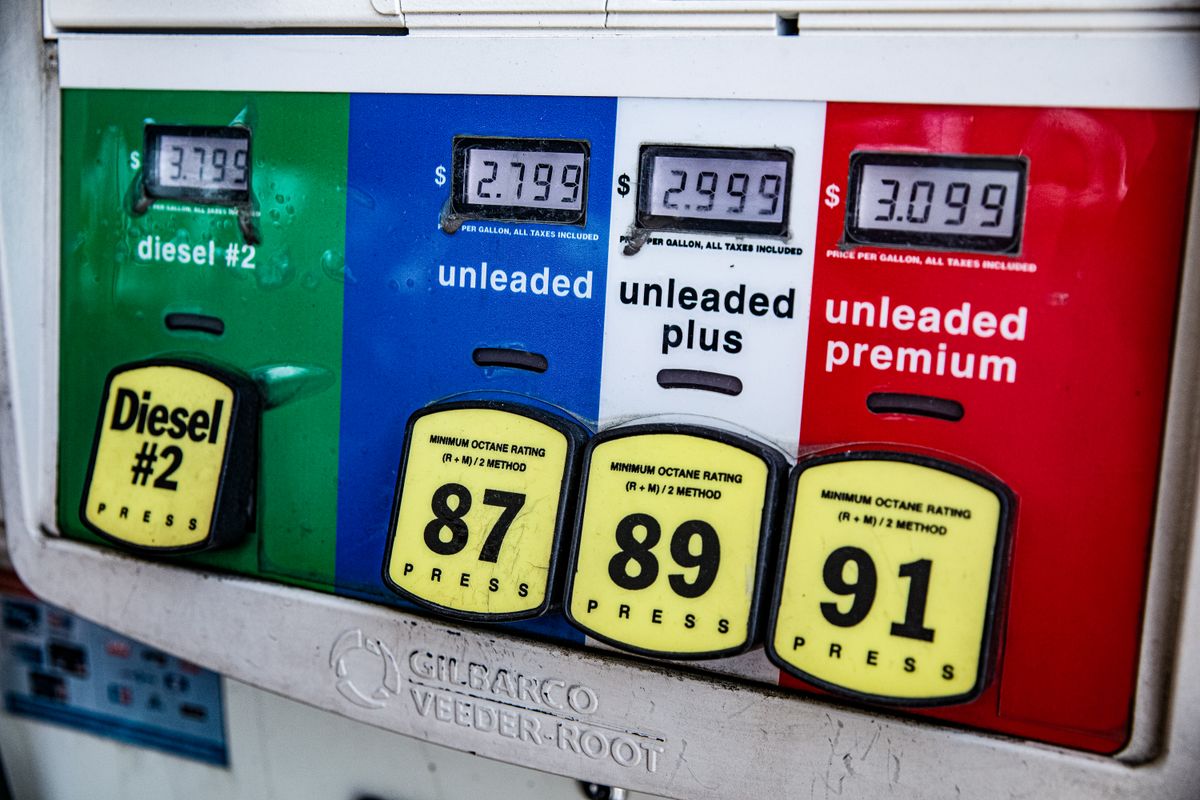
The recent easing in gas prices matters because it signals a fragile turning point in a market that has been under pressure for more than a year. However, the relief is limited, uneven, and potentially temporary.
On the surface, the decline in national averages suggests that inflationary pressure from fuel costs may be softening. Lower gas prices can reduce transportation expenses for households, ease delivery and logistics costs for businesses, and even contribute to slower price increases in other parts of the economy. For many Americans, even a 10- to 20-cent-per-gallon drop can make a noticeable difference in weekly spending.
But the bigger picture is more complicated.
AAA data show that while recent weeks have seen a slight decline, prices earlier in 2026 reached multi-month highs, driven by tight crude oil supply, refinery constraints, and geopolitical uncertainty affecting global energy markets. These earlier spikes pushed gasoline costs well above what many consumers had become accustomed to, and the current decline has not fully erased that impact.
Another key factor is regional variation. Fuel prices are not moving uniformly across the country. Some states are seeing sharper declines due to lower local demand and improved supply conditions, while others continue to experience stubbornly high prices due to taxes, transportation costs, and refinery distribution limits.
This uneven pattern means that the national average does not fully reflect what many drivers are experiencing locally. In some areas, relief is visible and meaningful. In others, prices remain near painful highs with little immediate change.
Seasonal demand is also playing a major role. As summer travel demand peaks, gasoline consumption typically rises, which can temporarily slow or even reverse price declines. This creates a cycle where short-term relief is often followed by renewed pressure, especially during peak travel weeks.
Crude oil markets remain the most important underlying driver. Recent softening in global oil prices has helped ease pump prices, but analysts warn that the market remains sensitive to disruptions. Any supply shock, production cut, or geopolitical escalation could quickly push prices back upward.
For consumers, this creates a sense of uncertainty. Even though prices are slightly better than recent highs, there is no strong signal that fuel costs will return to pre-volatility levels anytime soon.
What is driving the current price movement
Several interconnected factors are shaping the current gas price trend in the United States.
One of the biggest influences is crude oil pricing. Oil remains the primary input cost for gasoline, and recent fluctuations in global oil markets have directly impacted what drivers see at the pump. When oil prices fall, gas prices usually follow, although with a delay.
Refinery output is another major factor. Maintenance schedules, unexpected shutdowns, and capacity constraints can all limit the amount of gasoline produced and distributed. When supply tightens, prices tend to rise even if crude oil remains stable.
On the demand side, seasonal travel patterns are also influencing the market. Summer months typically bring increased driving activity, including road trips, vacations, and increased demand for commercial transport. This seasonal spike often puts upward pressure on fuel prices, even during periods of broader market stability.
Inventory levels also matter. When gasoline inventories are higher, prices tend to stabilize or decline. When inventories fall, even slightly, markets often respond quickly with price increases.
Together, these factors create a fuel market that is highly reactive and sensitive to small changes, which explains why prices can shift so quickly from week to week.
Drivers are feeling the impact beyond the pump.

Even though gas prices may seem like a standalone economic indicator, their effects extend far beyond everyday life.
Higher fuel costs influence commuting expenses for workers, especially those who rely on personal vehicles for daily travel. They also indirectly affect delivery services, public transportation pricing, and the overall cost of goods, since transportation is built into nearly every supply chain.
For families, rising fuel costs can lead to reduced discretionary spending. Travel plans may be adjusted, driving distances shortened, or budgets tightened in response to higher weekly fuel expenses.
This is why even small changes in gas prices tend to receive outsized attention. They are not just about filling a tank. They reflect broader economic pressure that households feel almost immediately.
The road ahead for fuel prices in 2026
Looking forward, the fuel market is expected to remain unstable rather than settle into a clear long-term trend.
While recent declines offer some optimism, the underlying drivers of volatility remain in place. Global oil supply conditions, refinery capacity, seasonal demand, and geopolitical developments will continue to shape pricing in unpredictable ways.
For now, the U.S. gas market appears to be in a correction phase rather than a full recovery. Prices are easing, but not stabilizing. Relief is present, but inconsistent.
Drivers may continue to see short-term improvements at the pump, but those gains could be quickly reversed if market conditions tighten again.
Sources
https://gasprices.aaa.com/
https://gasprices.aaa.com/state-gas-price-averages/