10 Vintage Ice Cream Flavors You Rarely See Anymore
There was a time when an ice cream flavor did not need to taste like a cookie, a candy bar, or a birthday party. It could taste like maple and walnuts, crushed peppermint, cereal, chestnuts, or even a good slice of brown bread, and nobody at the parlor had to explain itself.
Many old-fashioned ice cream flavors were built around ingredients that felt familiar and traditional. Some used pantry staples, seasonal flavors, or holiday treats to create something memorable. While these flavors have not completely disappeared, many are now more likely to appear at regional shops, specialty markets, or as nostalgic throwbacks rather than standard freezer-case choices.
Here are 10 vintage ice cream flavors that show how creative the scoop shop used to be.
Brown Bread Ice Cream
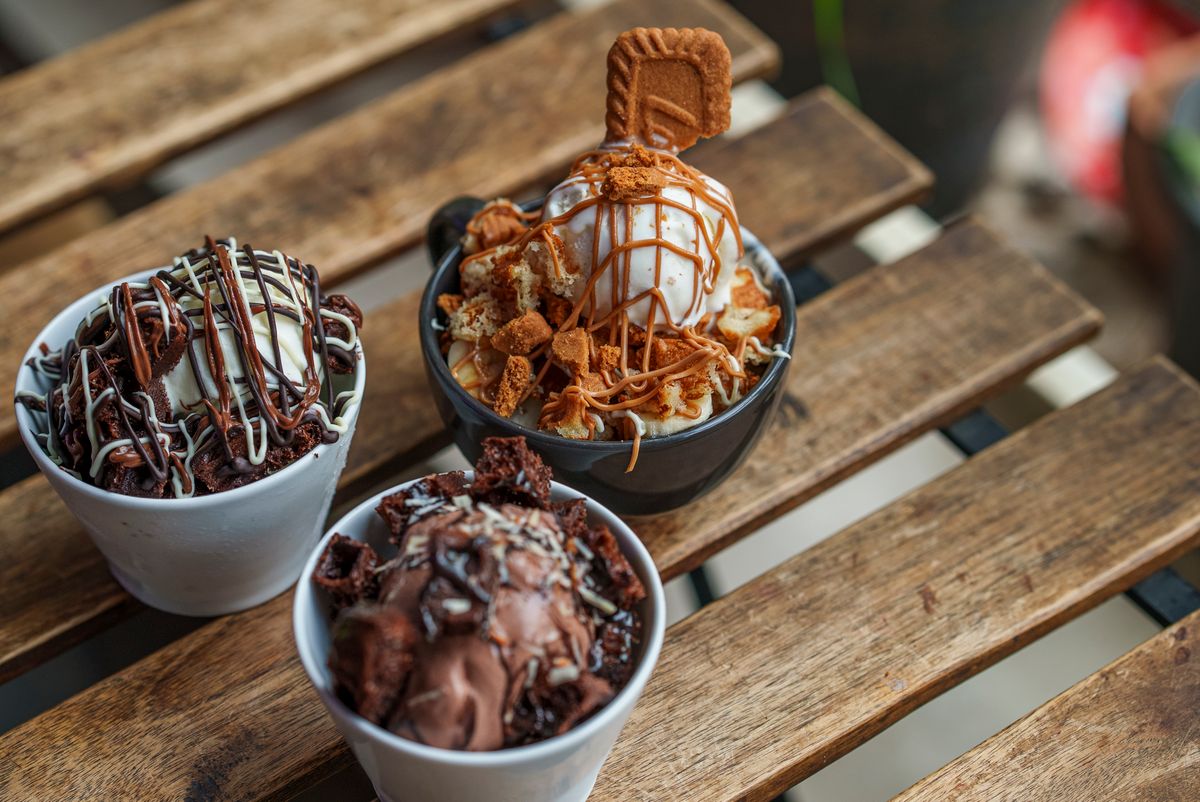
Brown bread ice cream is a New England-style flavor that turns a simple ingredient into a frozen dessert. The sweet cream base is combined with crumbled brown bread, often alongside raisins and walnuts.
It reflects an older style of dessert-making where familiar pantry ingredients could become part of something special. While it is rarely seen as a mainstream flavor today, it remains a fascinating example of regional food traditions.
This flavor stands out because it sounds unusual now, but it represents a time when ice cream creativity came from everyday ingredients.
Grape-Nuts Ice Cream
Grape-Nuts ice cream combines vanilla or custard-style ice cream with crunchy Grape-Nuts cereal. The cereal adds a texture that makes the flavor different from today’s more common mix-ins.
The flavor remains a regional favorite in New England and parts of Atlantic Canada, but it is far from a standard option at most scoop shops.
Its lasting appeal comes from the contrast between a classic frozen base and a breakfast cereal that found an unexpected second life in dessert.
Rum Raisin
Rum raisin was once a familiar old-school ice cream choice, built around raisins folded into rum-flavored or rum-infused ice cream.
The flavor still appears at heritage businesses, including Philadelphia’s historic ice cream scene, but it has become less prominent as cookie and candy-inspired options have taken over.
Rum raisin remains a reminder that ice cream once leaned heavily into fruit, spirits-inspired flavors, and slower, more traditional combinations.
Tutti Frutti
Tutti frutti brought color and celebration to the ice cream case through a mix of candied or preserved fruit. Traditional versions often included ingredients such as cherries, pineapple, and citrus peel.
The flavor represents an era when fruit cocktail-style combinations and candied fruit were considered festive additions to desserts.
Today, tutti frutti is much less common than modern flavors built around cookies, chocolate pieces, or candy collaborations, but its bright appearance still makes it memorable.
Maple Walnut
Maple Walnut combines maple-flavored ice cream with chopped walnuts for a flavor that feels closely tied to classic American dessert traditions.
The combination has a rich, autumn-inspired character and was once a familiar choice in parlors and home freezers. It still appears at independent creameries but is less common than many newer caramel and candy-focused flavors.
Its appeal comes from simplicity: a familiar flavor pairing that does not need a long list of mix-ins to stand out.
Black Walnut
Black walnut ice cream takes the traditional walnut idea in a stronger direction. The flavor is known for a darker, earthier profile with a slightly bitter edge compared with standard walnut ice cream.
It has strong regional roots, especially in parts of the Midwest and South, but it is rarely a mainstream option today.
For fans of older ice cream traditions, black walnut represents a style of flavor that focused on bold ingredients rather than sweet additions.
Butter Brickle
Butter brickle was a mid-century favorite built around buttery toffee flavors and often included almond-toffee crunch.
The flavor can be seen as a predecessor to some of today’s popular salted caramel and toffee-style desserts, even though it no longer holds the same space on most freezer shelves.
Butter brickle shows how older ice cream flavors often centered around texture and simple candy-inspired additions before modern mix-in trends took over.
Spumoni
Spumoni is an Italian American frozen dessert traditionally made with layers of flavors such as chocolate, pistachio, and cherry. Versions often include candied fruit or nuts.
Unlike everyday cone flavors, spumoni has become more of a nostalgic occasion dessert. It still appears at Italian restaurants and specialty markets rather than being a common freezer staple.
Its layered presentation is part of what makes it memorable, offering a different experience from a single-flavor scoop.
Peppermint Stick
Peppermint stick ice cream brought holiday candy into the freezer with a pink or white base filled with crushed peppermint pieces.
The Library of Congress preserves an early-20th-century recipe made with whipped cream, sweetened condensed milk, and crushed peppermint sticks.
The flavor made practical use of a seasonal favorite and became associated with holiday dessert traditions.
Nesselrode
Nesselrode is a formal frozen dessert built around chestnuts, cream, candied fruit and, in some versions, rum or sherry.
Rather than a typical scoop-shop flavor, it belongs to an older tradition of elaborate frozen desserts that appeared at holiday tables and formal restaurants.
Today, Nesselrode feels more like a culinary time capsule than an everyday ice cream choice, but it shows how creative frozen desserts once extended far beyond standard flavors.
Vintage ice cream flavors reveal how much dessert culture has changed. Today’s freezer cases are filled with cookie dough, candy pieces, and elaborate collaborations, but older favorites found inspiration in bread, nuts, fruit, cereal, and seasonal ingredients. These flavors may be harder to find, but they still tell the story of how imaginative a scoop of ice cream can be.