10 Ways Your Home Might Be Inviting Thieves
A home should feel like a sanctuary; a place where comfort and safety coexist. Yet, even the most well-kept residences can unknowingly signal vulnerability to opportunistic intruders. Small, seemingly innocuous details often reveal patterns of absence, wealth, or complacency, creating a roadmap for burglars seeking the path of least resistance.
By understanding these cues, homeowners can fortify their space, reduce risk, and cultivate an environment that deters theft before it starts. Security isn’t just about locks and alarms; it’s about eliminating the subtle indicators that suggest easy access.
This guide identifies the top ten ways homes unintentionally attract thieves and provides actionable strategies to minimize risk while preserving your lifestyle.
Empty Dog Bowls and Visible Pet Beds

Dogs serve as both companions and natural deterrents to intruders. However, leaving empty food bowls or pet beds outside can unintentionally suggest the absence of pets, which may indicate homeowners are away.
A study of convicted burglars found that the presence of a large, noisy dog was a significant deterrent, with many citing the animal itself as a deal breaker. Even smaller dogs can signal occupancy if their presence is visible or audible.
Maintaining the perception of a pet in the home is simple: avoid leaving items that imply absence, such as empty bowls or unoccupied beds. If traveling, ask a neighbor to check in, or even leave a pet item visible to suggest someone is home. By leveraging pets as both companions and security signals, you reinforce an additional layer of protection
Darkened Home During Evening Hours
A completely unlit home, especially compared with neighboring residences, is a beacon to would-be intruders. Darkness communicates vacancy, encouraging unauthorized entry. Using timed lighting creates the illusion of activity, signaling that someone is home. Modern smart-home systems allow randomized patterns to replicate occupancy, further deterring criminal attention.
Exterior lighting also plays a crucial role in perimeter security. Motion-sensor lights or landscape illumination not only enhance curb appeal but also limit hiding spots for potential intruders. Combining strategic interior and exterior lighting ensures your property appears active and guarded at all times.
Visible Valuables Through Windows
Leaving electronics, jewelry, cash, or other high-value items in plain view through windows instantly increases risk. Thieves often perform rapid assessments, scanning for potential gains before attempting entry. Keeping valuables out of sight is essential: consider frosted glass, blinds, or rearranging items away from line-of-sight exposure.
In addition, securing secondary storage areas within the home, such as lockboxes or safes, ensures that even if a window is breached, high-value items remain protected. Minimizing visual cues communicates discretion and discourages casual opportunists.
Unsecured Doors and Windows
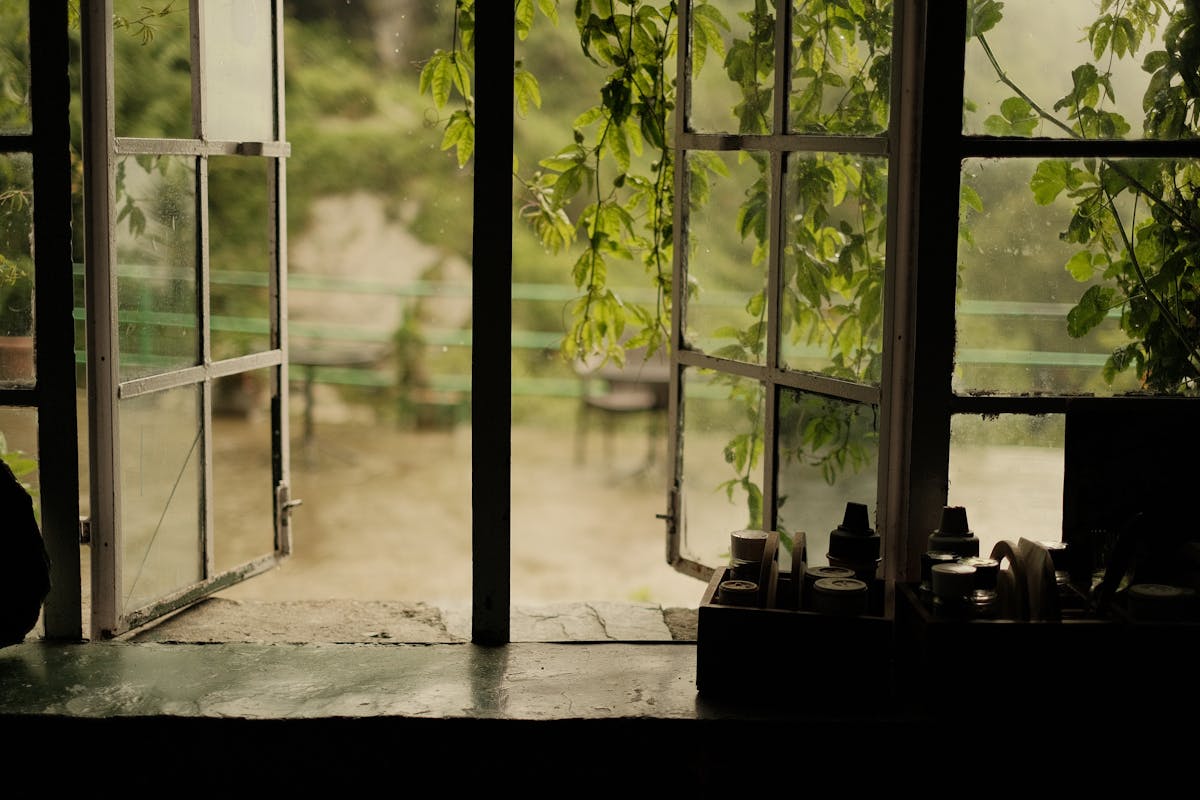
Unlocked entry points are among the most common vulnerabilities in residential security. Many burglaries occur through doors and windows that were inadvertently left unsecured, even momentarily. Confirming that all potential entry points are locked at all times, including secondary doors, basement access, and garage entries, is a foundational security measure.
Investing in quality locks, deadbolts, and reinforced frames strengthens physical barriers. Periodic checks and maintenance of hinges and latches prevent degradation over time, ensuring that deterrents remain effective. A comprehensive approach to door and window security underpins the first line of defense against intrusions.
Leaving Tools and Ladders Accessible
Outdoor tools, ladders, and garden equipment can be used as ready-made instruments for unauthorized entry. Ladders against walls or unsecured tools in the yard allow intruders to reach higher windows or bypass doors with minimal effort. Storing equipment in locked sheds, garages, or secured storage solutions minimizes these risks.
Routine inspections and proper equipment placement can prevent a seemingly innocuous object from being used to facilitate a break-in. Even minor lapses, such as leaving a ladder leaning against a wall overnight, significantly increase exposure. Proper storage practices reinforce the overall security posture of the home.
Overgrown Shrubs and Bushes
While landscaping enhances aesthetics, overgrown shrubs or trees near doors and windows can offer concealment for intruders. Dense foliage reduces visibility from neighbors and street patrols, creating hidden access points. Maintaining trimmed hedges, low ground cover, and strategically positioned plants improves sightlines and reduces potential hiding spots.
Integrating motion-activated landscape lighting complements vegetation management. Illuminated pathways and perimeter lights disrupt attempts at stealth, ensuring that potential intruders are easily detected. Landscaping, therefore, becomes both a decorative and protective element when thoughtfully maintained.
Oversharing on Social Media

Broadcasting travel plans, vacations, or extended absences online effectively signals that the home is unoccupied. Burglars routinely monitor social media for opportunities, exploiting the transparency of personal updates. Delaying posts, restricting audience visibility, or limiting real-time sharing helps keep your routines and absences private.
This digital discipline works hand in hand with physical security measures. Even a well-guarded home can be compromised if information about vacancy is publicly available. Awareness of digital footprints is a critical component of comprehensive residential protection.
Lack of Security Systems or Signage
Homes without visible alarms, cameras, or warning signs appear easier to access. Thieves are statistically more likely to bypass properties with evident security measures. Installing cameras, alarm systems, or even “Beware of Dog” signage creates a psychological barrier that can prevent intrusion before it begins.
Visible deterrents also encourage community vigilance. Neighbors are more likely to report suspicious activity when homes display security awareness, contributing to a safer overall environment. Layered deterrence substantially reduces vulnerability.
No Lights During Holidays
Extended darkness during holidays or extended absences signals opportunity. Whether during summer or winter, homes that remain unlit while neighbors celebrate create a stark visual contrast. Strategic use of lighting, timers, or neighbor check-ins mitigates this risk, projecting occupancy and active monitoring.
Holiday lighting does more than beautify a property; it functions as a passive security measure. By aligning lighting strategies with seasonal routines, homeowners can maintain a secure presence, even when physically away.
Overflowing Mailboxes and Newspapers
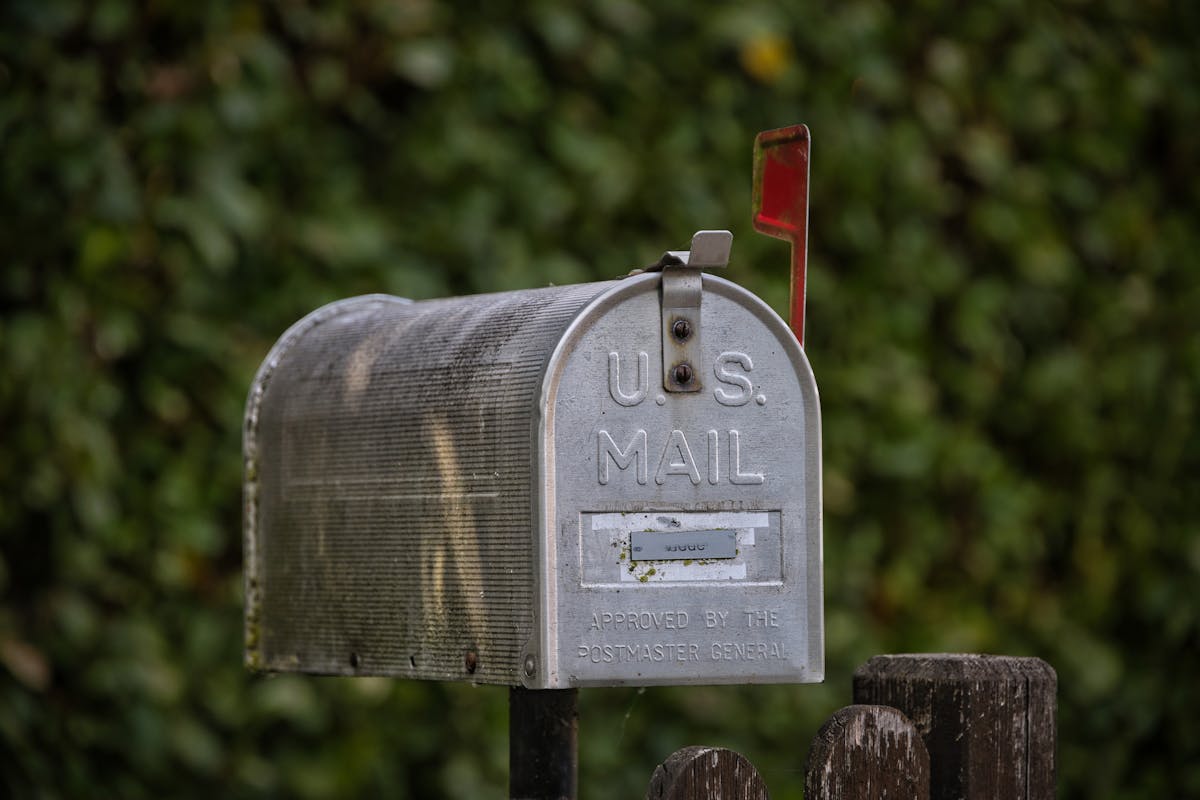
Accumulated mail and newspapers are one of the clearest indicators that a home is unattended. Flyers, packages, and newspapers left outside for extended periods act as visual cues for burglars, signaling a lack of oversight.
According to local law enforcement reports, homes with unchecked deliveries are significantly more likely to experience opportunistic break-ins. A simple routine of having mail collected daily or held by a trusted friend can neutralize this risk.
Another effective measure is to stagger deliveries or request temporary postal hold services when away. Even small efforts, such as rotating blinds or placing visible lights on timers, disrupt the appearance of absence. These adjustments signal an active household and reduce your property’s attractiveness as an easy target.
Conclusion
Homes attract theft when subtle signals communicate opportunity or vacancy. By combining vigilance in daily routines, strategic landscaping, secure storage, controlled digital exposure, and visible security measures, homeowners can dramatically reduce their risk. Security is both proactive and preventative. An integrated approach ensures your home remains a fortress, protecting both your possessions and your peace of mind.