Trump’s Granddaughter Kai Faces Backlash After Calling the White House “My House”
A casual phrase in a White House vlog has turned into a political firestorm for Kai Trump, the 19 year old granddaughter of President Donald Trump, after she referred to the presidential residence as “my house” while giving viewers a behind the scenes look at life inside one of America’s most symbolic buildings.
The moment came in a YouTube style tour that offered rare access to the White House, including areas connected to presidential power, family life, and public tradition. To some viewers, the phrase sounded like harmless Gen Z slang from a young woman whose grandfather currently occupies the presidency. To critics, it landed very differently. They argued that the White House is not private family property, not a luxury brand backdrop, and not a personal content studio, but rather a public institution held in trust for the American people.
Kai Trump’s “My House” Comment Quickly Went Viral
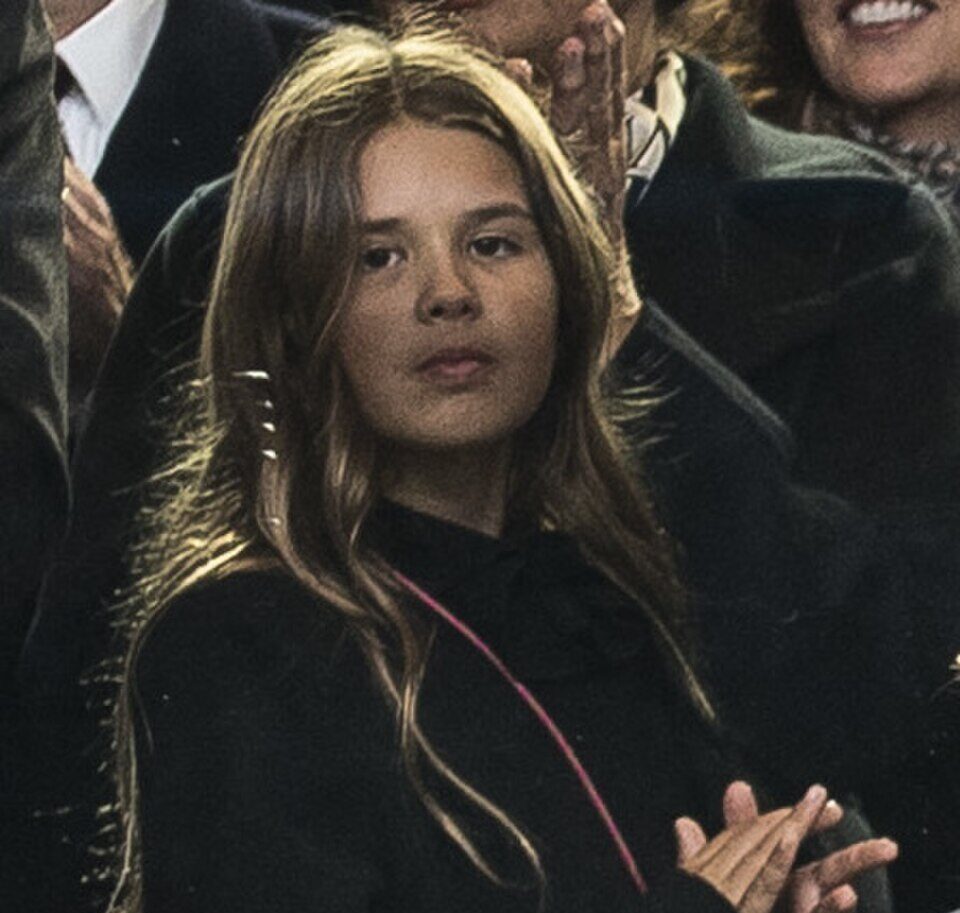
The controversy began when Kai Trump entered the White House and addressed her audience with a casual welcome, referring to the building as her house. In the world of social media, that kind of language can sound ordinary. Influencers often speak in relaxed, personal terms to make viewers feel as though they are part of an intimate experience. But the White House is not an ordinary home tour, and that is why the reaction moved so quickly. Within hours, clips and screenshots began spreading online.
Critics argued that the phrase captured what they saw as a deeper problem: political families treating public institutions as extensions of personal power. Supporters pushed back, saying the outrage was exaggerated and that Kai was simply speaking casually about a place where her family spends time because her grandfather is president. The divided reaction turned a short phrase into a broader argument about privilege, public ownership, and how political families use social media.
Why the White House Is Different From a Celebrity Mansion
The White House is the official residence and workplace of the president of the United States, but it is also a national symbol. It belongs to the office, not to the individual who temporarily occupies it. Every president and first family lives there under public trust, surrounded by history, security, ceremony, and taxpayer-funded operations that make the building more than a private address.
That distinction is why Kai Trump’s phrase struck such a nerve. A celebrity can invite fans into a mansion and call it “my house” because the property is privately owned. The White House carries a different meaning. It represents the executive branch, American continuity, presidential responsibility, and national memory. When a president’s relative refers to it in personal terms, critics hear something bigger than casual wording. They hear a family claiming emotional ownership over a place that citizens are taught belongs to the country.
Critics Say the Comment Reflected Entitlement
The sharpest criticism centered on the idea of entitlement. Many online users argued that the “my house” wording sounded tone-deaf at a time when Americans are already debating nepotism, political access, wealth, and the special treatment available to powerful families. For those critics, the comment was not offensive because it was neither long nor aggressive. It was offensive because it sounded too comfortable.
The backlash included comments accusing the Trump family of treating the White House like a private estate or family brand asset. Some critics said the video should anger Americans because it appeared to blur the line between public service and personal promotion. Others focused on the broader image: a president’s granddaughter using rare White House access to create content for a large online audience while ordinary Americans experience the building only through limited public tours, official events, or news coverage.
Supporters Say the Outrage Is Overblown
Not everyone saw the video as scandalous. Supporters of Kai Trump argued that critics were reading too much into a casual phrase from a young public figure. In their view, calling the White House “my house” does not necessarily mean she believes she owns it. It may simply reflect family familiarity with the building during her grandfather’s presidency.
That defense has gained traction among viewers who see the outrage as another example of political opponents attacking members of the Trump family, no matter what they do. They argue that presidential children and grandchildren have always experienced unusual access to the White House and that sharing glimpses of that life is not automatically improper. To them, the backlash says more about America’s political divisions than about Kai’s actual intent.
The Vlog Offered Rare Behind-the-Scenes White House Access
Part of the controversy came from what the video appeared to show. Reports described Kai’s vlog as offering viewers an insider-style look at the White House, including moments in the Oval Office, at the Resolute Desk, and in private or semi-private spaces usually seen only through tightly controlled official imagery. That kind of access naturally attracts attention, especially when presented through the casual language of influencer culture.
The modern White House already exists in two worlds. It is a secure government complex and a visual stage for presidents, families, campaigns, visiting leaders, and official media. Kai’s video pushed that tension into a new format. Instead of a press pool photo or a documentary-style tour, viewers saw the building through the lens of a young family member producing personal content. That made the video feel fresh to fans and inappropriate to critics.
Kai Trump’s Social Media Rise Adds Another Layer
Kai Trump is not only the president’s granddaughter. She is also a growing social media personality with a large online following and a public image tied to golf, family access, lifestyle content, and moments with her grandfather. That makes her White House content more politically sensitive than a private family video because it reaches a mass audience and helps shape public perception of the Trump family.
Her rise reflects a larger political trend. Families of public officials now use social platforms to humanize candidates, soften political brands, and speak to younger audiences who may not watch traditional news. A casual vlog can do what a campaign ad often cannot: make power feel familiar, domestic, and personal. That is exactly why the “my house” moment became so controversial. Critics saw it not as one loose phrase, but as part of a broader effort to turn presidential access into family-centered content.
The White House as a Symbol of Public Trust
The phrase “my house” touched a sensitive American nerve because the White House is one of the few buildings that citizens across political lines recognize as part of the national inheritance. Presidents come and go. Families move in and move out. Parties win and lose. But the building remains, carrying the weight of wars, crises, speeches, state dinners, protests, and transitions of power.
That is why language around the White House matters. When public figures speak about it, they are speaking about more than rooms, furniture, or historic portraits. They are speaking about an institution that belongs to the office and, symbolically, to the people. In a less polarized moment, Kai’s wording may have passed with little notice. In the current climate, it has become a symbol for everything critics already believed about access and privilege.
A Small Phrase Became a Larger Political Argument
The backlash also shows how modern political controversies work. A short clip becomes a headline. A headline becomes a debate. A debate becomes a test of loyalty. One side sees proof of arrogance. The other sees manufactured outrage. The original phrase becomes less important than what people believe it reveals about the family, the presidency, and the country.
In Kai Trump’s case, the phrase “my house” became a cultural shortcut. Critics used it to talk about nepotism and public property. Supporters used the backlash to talk about media hostility and selective outrage. The result is a controversy less about one teenager’s wording and more about the tense relationship among political families, social media, and public institutions.
Why This Controversy Is Unlikely to Disappear Quickly
The story is likely to continue because it sits at the intersection of several topics that consistently drive public attention: the Trump family, the White House, influencer culture, young political personalities, and online outrage. Even people who may not follow policy closely understand the symbolism of the White House. That gives the controversy emotional power beyond the comment’s actual length.
It also connects to a broader question that will follow every presidential family in the social media era: how much private access should be made public? Americans have always been curious about life inside the White House. But curiosity does not erase discomfort when that access appears to be used casually, commercially, or politically. The line between sharing family life and using public symbolism for personal branding is becoming harder to define.
The Bigger Issue Behind Kai Trump’s White House Backlash
At the center of the reaction is a simple question: who gets to feel at home in the White House? The president and first family physically live there, but the institution belongs to the nation. That dual reality has always required care, humility, and restraint. When the private family side appears to overpower the public side, Americans notice.
Kai Trump’s comment may have been casual, but the response was not. The backlash revealed deep frustration over political privilege and the blurred boundaries between public office and personal branding. Whether viewers see the outrage as justified or exaggerated, the controversy shows that the White House remains one of the most emotionally charged symbols in American life.