8 Shocking Truths About Alcohol and Aging
A glass of wine at dinner can look harmless, especially when it has been part of someone’s routine for years. The uncomfortable truth is that alcohol does not age with the body kindly, and what felt manageable at forty can hit much harder at sixty, seventy, or beyond. As the body changes, alcohol becomes less forgiving, less predictable, and far more capable of turning small habits into serious health problems.
Aging already asks the body to work harder to protect balance, memory, sleep, heart health, and independence. Alcohol quietly pushes against all of those systems at once, often in ways people do not notice until the damage becomes obvious. Here are eight shocking truths about alcohol and aging that deserve a much closer look.
Your Body Handles Alcohol Worse With Age

One of the biggest shocks about alcohol and aging is that the same drink can hit differently as the years pass. Older adults often have less body water and slower physical recovery, which means alcohol may stay stronger in the body for longer than expected. That is why a drink that once felt normal can suddenly cause dizziness, poor coordination, or unusual tiredness.
This change can make people believe they are losing strength when the real problem is alcohol sensitivity. The National Institute on Alcohol Abuse and Alcoholism warns that older adults can become more sensitive to alcohol’s effects, including memory, coordination, reaction time, and driving performance. That makes alcohol less like a casual habit and more like a hidden pressure on daily safety.
Alcohol Can Turn Medications Into a Dangerous Mix
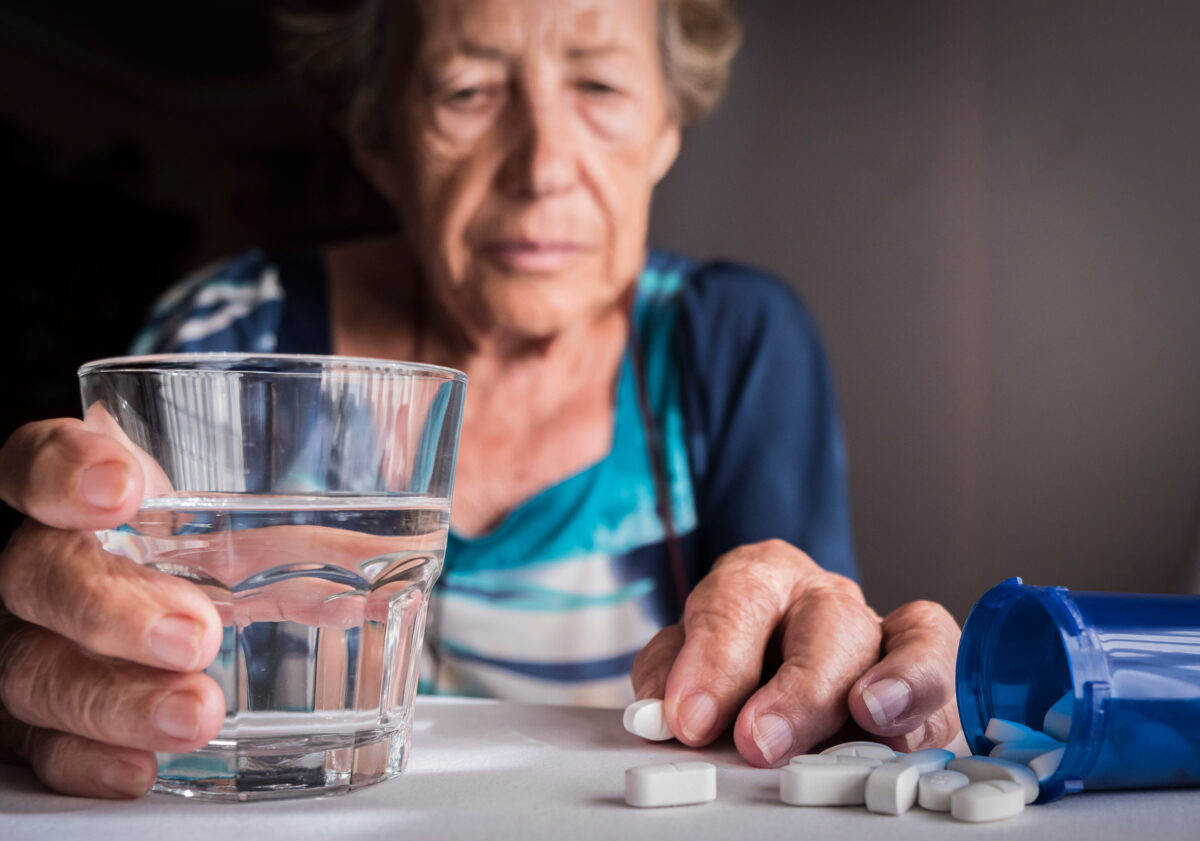
Many older adults take medicine for blood pressure, pain, sleep, anxiety, diabetes, heart conditions, or other health issues. Alcohol can interfere with some medications, making them weaker, stronger, or more dangerous than intended. The scary part is that this can happen even when the drink and the medicine are not taken at the exact same time.
This is where aging turns alcohol into a guessing game. Sedating medicines used for pain, sleep, or anxiety can become especially risky when mixed with alcohol, raising the chance of falls, injuries, memory problems, and overdose. For anyone taking regular prescriptions, alcohol should never be treated as harmless background noise.
Alcohol Can Make Falls More Likely

Falls are already one of the greatest threats to independence in older age. Alcohol adds another layer of danger because it can weaken balance, slow reaction time, blur judgment, and make the body less steady on its feet. A small stumble in youth may lead to a broken hip, a head injury, or a long hospital stay later in life.
The CDC reports that falls are the leading cause of injury among adults aged 65 and older, with more than 14 million older adults reporting a fall each year. When alcohol enters the picture, the risk becomes even more serious because it directly affects coordination and alertness. A drink before bed or after dinner may feel relaxing, but it can turn a hallway, bathroom, or staircase into a hazard zone.
Alcohol Can Quietly Damage Sleep
Alcohol often fools people because it can make them feel sleepy at first. That early drowsiness can seem like relief, especially for older adults who already struggle with insomnia or restless nights. The problem is that alcohol can disturb the quality of sleep after the body starts processing it.
Poor sleep is already more common with age, and the National Institute on Aging notes that sleep disorders, including insomnia and sleep apnea, become more common among older adults. Alcohol may worsen the problem by disrupting rest, increasing nighttime waking, and leaving people foggy the next day. The body may be lying in bed, but it is not getting the deep repair it needs.
Alcohol Can Speed Up Memory Problems
Aging can bring occasional forgetfulness, but alcohol can make memory and thinking problems worse. It may begin subtly with missed appointments, repeated stories, misplaced items, or confusion that family members brush off as normal aging. Over time, alcohol misuse can make those changes harder to ignore.
NIAAA notes that alcohol misuse in older adults is linked with faster cognitive decline, including problems with memory, thinking, and judgment. That matters because memory is not just about remembering names or dates. It affects medication use, driving decisions, financial choices, cooking safety, and the ability to live independently.
Alcohol Can Feed Depression and Loneliness
Aging can bring major life changes, including retirement, grief, health problems, isolation, and a smaller social circle. Alcohol can seem like comfort during those quiet hours, but it often deepens the emotional hole it promises to fill. What starts as a way to relax can become a way to avoid feelings that need care, support, and attention.
The National Institute on Aging warns that later life changes can lead to loneliness, boredom, anxiety, or depression, and drinking can align with depression in older adults. Alcohol can also worsen existing mental health struggles, making sadness, irritability, poor sleep, and withdrawal from loved ones more intense. The drink may numb the evening, but it can steal emotional stability from the next morning.
Alcohol Raises Cancer Risk, Even When It Looks Moderate

Many people still believe alcohol is mainly dangerous for the liver, but the cancer connection is much wider. The CDC states that all alcoholic drinks, including beer, wine, and liquor, increase cancer risk. That means switching from whiskey to wine does not erase the danger.
This truth feels especially shocking because alcohol is often marketed as classy, social, and even healthy in small amounts. Recent CDC guidance says drinking less is better for health, and people can lower health risks by drinking less or choosing not to drink. For aging adults already facing higher baseline cancer risks, alcohol becomes one more avoidable burden on the body.
Cutting Back Can Still Make a Difference
The hopeful truth is that aging does not make change pointless. Cutting back can help reduce health risks, improve safety, support better sleep, and make medication routines less dangerous. The body may be older, but it still responds when harmful pressure is removed.
This does not mean everyone needs the same plan. Some people may need to avoid alcohol completely because of medications, medical conditions, past addiction, falls, memory issues, or advice from a doctor. For others, reducing the amount and frequency can be a powerful first step toward protecting independence and long-term health.
Conclusion
Alcohol and aging can be a harsh combination because the risks often hide behind familiar habits. A drink that once felt harmless can become stronger in the body, more dangerous with medication, harder on sleep, worse for balance, and more damaging to memory and mood. The most shocking part is that many of these problems build quietly before anyone connects them to alcohol.
Getting older should not mean accepting preventable decline as normal. It should mean becoming more protective of the body, the mind, and the independence that makes daily life feel full. Cutting back, asking a doctor about medication interactions, watching for mood or memory changes, and being honest about drinking habits can help aging adults stay safer, sharper, and stronger for longer.