Why You Should Never Trust These 8 Healthy Snacks for Kids
The snack aisle can feel like a tiny trap dressed in bright colors, cartoon animals, and words like natural, organic, whole grain, real fruit, and protein-packed. Parents reach for these foods because they look safe, quick, and kid-approved, yet many so-called healthy snacks spend more time on marketing than on nutrition. The real danger is not that every packaged snack is terrible, but that the label can make you stop checking what is actually inside.
Children need snacks that help them grow, stay full, and build steady energy between meals. Harvard’s Kids’ Healthy Eating Plate encourages meals and snacks built around fruits, vegetables, whole grains, healthy proteins, and healthy drinks, which is a very different picture from many sweetened snack packs on store shelves. The FDA also requires added sugars to appear on Nutrition Facts labels, because too much added sugar can make it harder to meet nutrient needs within healthy calorie limits.
Flavored Yogurt Cups

Flavored yogurt looks innocent because yogurt has protein, calcium, and a creamy texture that kids usually love. The problem starts when a small cup tastes more like dessert than breakfast, especially when candy pieces, cookie crumbs, syrups, or fruit-flavored gels sit on top. Many parents see yogurt and assume it is automatically good, but the label tells the real story.
A better option is plain yogurt with sliced banana, berries, cinnamon, or a small drizzle of honey for children old enough to have it. USDA child nutrition standards now place limits on added sugar in yogurt served in certain programs, showing how seriously sugar in children’s foods is being monitored. Yogurt can still be a great snack, but the best version shouldn’t need a candy-aisle disguise.
Fruit Snacks

Fruit snacks often wear the healthiest costume in the lunchbox. They show strawberries, oranges, grapes, and apples on the package, but many look more like chewy candy than real fruit. Even when they contain fruit puree or juice concentrate, they usually lack the fiber and fullness that whole fruit provides.
The biggest trick is texture. Kids can eat a pouch of fruit snacks in seconds, feel hungry soon after, and still develop a taste for sticky, sweet foods. Whole fruit provides chewing, fiber, water, and nutrients in a more balanced form, making apple slices, oranges, berries, or grapes a stronger snack choice for older children who can eat them safely.
Granola Bars
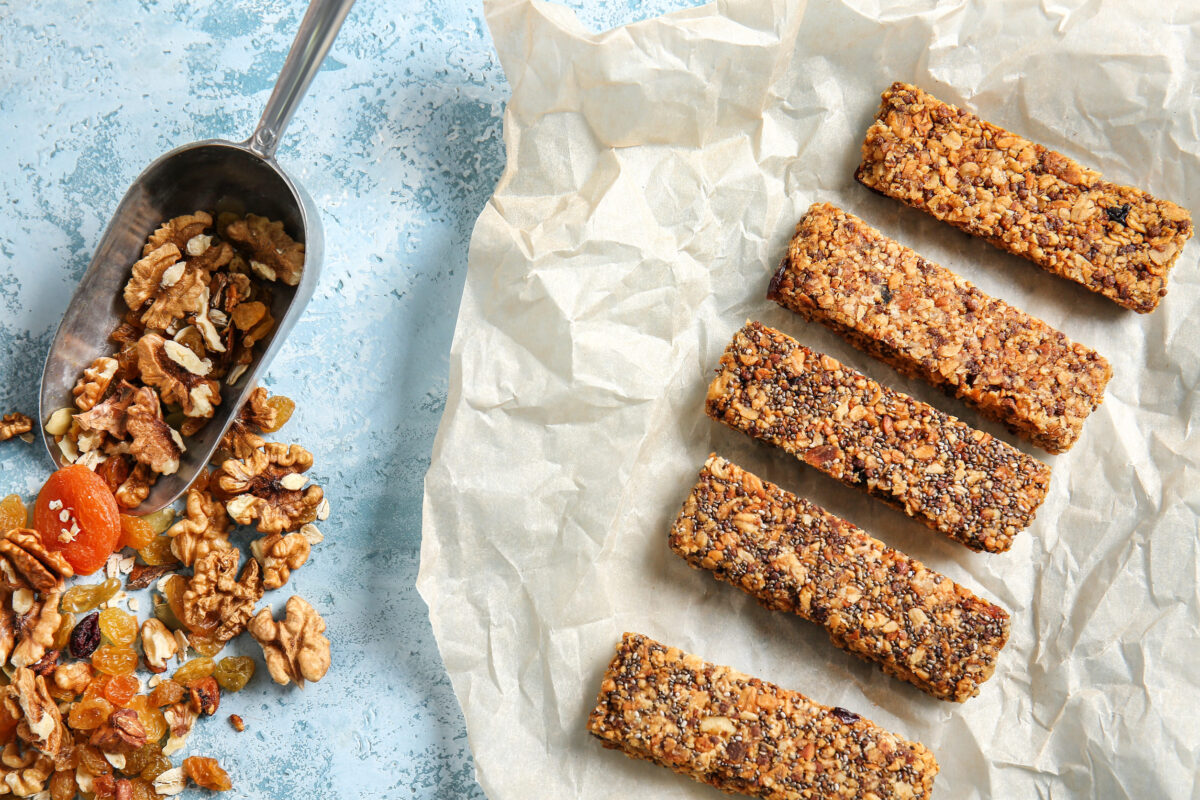
Granola bars sound rugged, wholesome, and outdoorsy, as if every bite came straight from a mountain trail. Some are useful in a pinch, but many are built with sweeteners, chocolate chips, coatings, refined grains, and very little protein. A bar that looks healthy can still act like a cookie with better branding.
The smarter move is to check three things before tossing one into a backpack: added sugar, fiber, and protein. If sugar sits high on the ingredient list and the bar has little staying power, it may create a quick burst followed by a hungry crash. Look for bars with oats, nuts or seeds where appropriate, simple ingredients, and enough protein or fiber to make the snack actually last.
Veggie Chips
Veggie chips sound like a parent’s dream because the word veggie does all the emotional heavy lifting. The bag may show spinach, tomato, sweet potato, or beetroot, but many versions are still fried or highly processed snacks with salt, starch, and oil doing most of the work. A green chip is not the same thing as a serving of vegetables.
Children do not need a perfect diet, and crunchy snacks can have a place sometimes. Still, it helps to treat veggie chips like chips, not like carrots. The American Heart Association recommends healthy eating patterns for children that emphasize foods lower in salt, saturated fat, and added sugars, so fresh vegetables with hummus, avocado dip, or yogurt dip often beat a salty bag with a vegetable picture.
Juice Boxes and Fruit Drinks
Juice boxes look small, portable, and harmless, but they can train kids to drink their fruit rather than eat it. Even 100 percent juice lacks the fiber found in whole fruit, and fruit drinks can contain added sugars or other sweeteners that exacerbate the problem. The sweet taste also makes plain water seem boring, which can become a daily battle.
The American Academy of Pediatrics recommends no fruit juice for infants under one year old and limits for older children, favoring whole fruit instead. For toddlers and young children, small servings may be reasonable in some cases, but juice should not become an all-day sipping habit. Water, plain milk, and whole fruit usually make a stronger everyday routine.
Packaged Smoothies
Packaged smoothies can look like liquid sunshine. They often promise real fruit, vitamins, probiotics, or hidden vegetables, which makes them feel like a shortcut to good parenting. The catch is that some bottled or pouch smoothies are sweet, low in fiber, and easy to overconsume because children drink them faster than they would eat the same ingredients whole.
A homemade smoothie can be a better choice because you control what goes in it. Plain yogurt, real fruit, spinach, nut butter, when safe, and milk can create a more balanced snack. The danger is trusting the front label rather than checking whether the drink is mostly fruit juice, puree, or just sweetness in a convenient pouch.
Kid Protein Bars
Protein bars aimed at children can sound smart, especially when parents worry their child is picky or not eating enough. Yet many children already get enough protein through regular meals, and some bars add sweetness, coatings, flavors, and processed ingredients to make them taste exciting. A protein claim does not automatically make a snack balanced.
These bars can also make simple foods seem less valuable than they are. Eggs, beans, yogurt, cheese, and nut butters were safe; tofu, hummus, and lean meats can offer protein in more familiar forms. Unless a pediatrician or dietitian suggests otherwise, a child usually does not need a daily bar to prove their snack is healthy.
Organic Cookies and Gluten-Free Crackers

Organic and gluten-free labels can be helpful for specific needs, but they can also lead parents to relax too soon. Organic sugar is still sugar, and gluten-free cookies can still be cookies. A snack can avoid one ingredient and still be low in fiber, high in refined starch, or easy to overeat.
This matters because health halos make ordinary treats feel like everyday staples. If a child has celiac disease or a medical reason to avoid gluten, gluten-free foods can be necessary. For everyone else, the stronger question is not whether the snack has a trendy label, but whether it gives the child real nourishment.
Conclusion
The safest rule is simple: never trust the front of a kids’ snack package more than the back. Words like healthy, natural, organic, real fruit, veggie, gluten-free, and protein-packed can be useful, but they can also distract from added sugar, low fiber, excess sodium, tiny portions, and highly processed ingredients. A snack does not have to be perfect, but it should do more than entertain a child’s taste buds for five minutes.
Parents do not need to panic or ban every packaged snack in the house. The goal is to become harder to fool. Choose more whole foods when possible, read added-sugar and ingredient labels, keep juice and other sweet drinks limited, and treat dessert-style snacks as occasional treats rather than daily nutrition. The best kids’ snacks are usually the least dramatic ones: fruit, vegetables, yogurt, eggs, whole grains, beans, cheese, nut butters where safe, and water. That may not look as flashy as a cartoon-covered box, but it is far more honest.