Stop Wasting Money and Flavor: The Ground Beef Mistakes You’re Probably Making
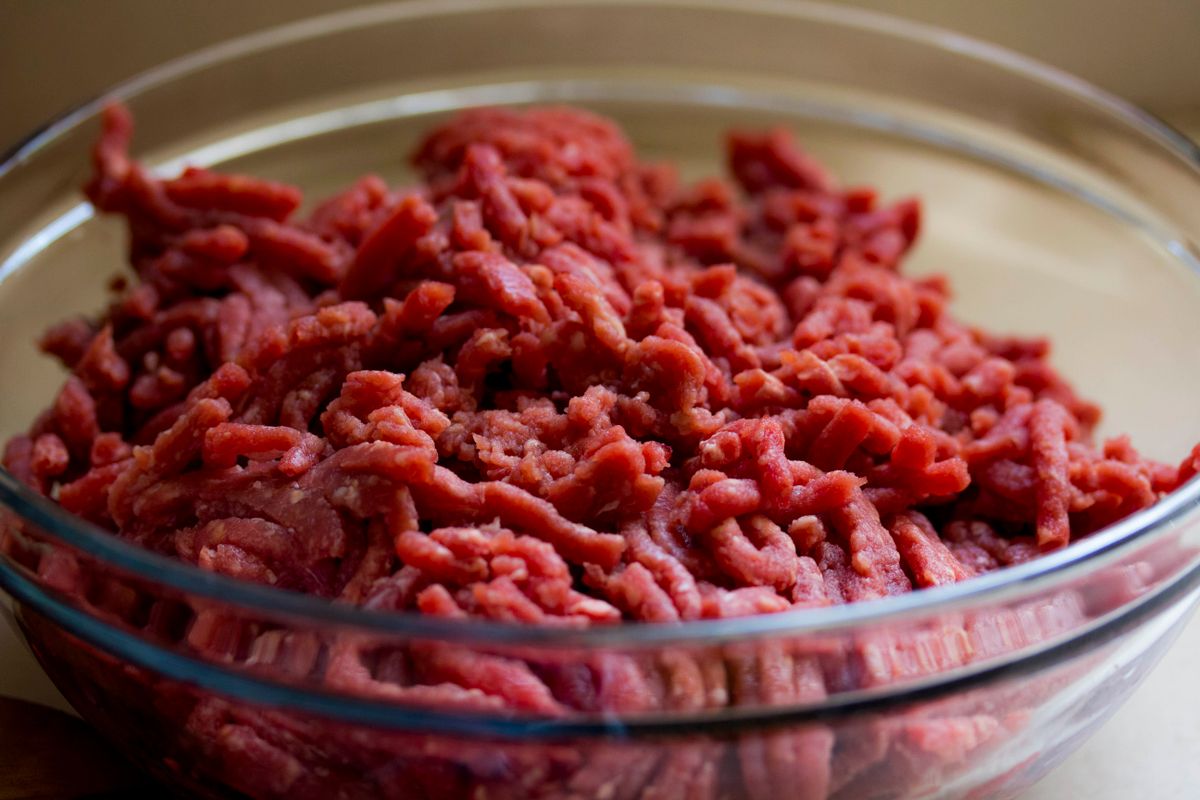
Ground beef is a kitchen staple, yet most shoppers don’t realize the choices they make at the store can dramatically affect taste, texture, and even safety. Fat percentages, meat cuts, freshness, and cooking methods all play a role in whether a burger sizzles with juiciness or ends up dry and flavorless. Many of these mistakes are avoidable, and knowing the right facts can elevate every meal. Here’s what you need to understand before your next trip to the meat counter.
Fat Content Shapes Flavor and Cooking Behavior
Fat is more than a number on the package; it’s what gives ground beef flavor and juiciness. Blends labeled 80/20 balance taste and moisture, ideal for burgers and meatballs, while leaner options, like 90/10, work best for sauces and slow-cooked dishes. Choosing the wrong fat ratio can result in dry meat, excessive shrinkage, or bland flavor. Understanding how fat interacts with cooking temperature ensures meals meet your expectations every time.
Cut Matters as Much as Fat
Ground beef comes from different parts of the cow, each influencing flavor and texture. Chuck delivers rich taste, perfect for hearty dishes; round is leaner and more affordable but less tender; sirloin is lean and tender yet pricier. Selecting the right cut for your dish ensures optimal flavor, tenderness, and cost-efficiency. A burger demands different meat characteristics than a sauce or casserole, so knowing your cut is essential.
Lean Doesn’t Always Mean Better

Leaner beef has fewer calories but can dry out if overcooked. Balancing lean options with moisture-rich ingredients like sauces, vegetables, or breadcrumbs can prevent tough textures. Even professional chefs often combine lean and fattier blends to maintain tenderness and flavor. Misjudging the lean content of ground beef can leave recipes underwhelming, underscoring that fat content should complement the cooking method and intended dish.
Price Isn’t Always an Indicator of Quality
Cheaper ground beef often contains more fat, water, or connective tissue, which reduces yield after cooking. Slightly pricier blends may cost more upfront but provide richer flavor and better texture, meaning more edible meat per dollar. Understanding this distinction ensures you get the best value without sacrificing taste. Smart shopping means weighing price against quality rather than chasing the lowest tag.
Labels Can Be Confusing and Misleading
Terms like “85% lean” or “ground chuck” require careful reading. Many shoppers misinterpret these labels, assuming uniform quality or fat content. Moisture, trimming, and blending practices affect what actually reaches your pan. Educated label reading lets you match meat characteristics to cooking plans, avoiding surprises like dry burgers or greasy sauces, and helps you maximize both flavor and nutrition.
Cooking Methods Interact With Beef Type

How you cook ground beef affects which blend works best. High-heat methods like grilling favor fattier mixes for juiciness, while simmering or slow-cooking allows lean meat to absorb moisture from sauces. Overcooking lean ground beef without compensating for the loss of fat can ruin the texture, while a high-fat blend can become greasy if cooked too long. Choosing meat with its final cooking method in mind guarantees consistent results.
Freshness Is Critical for Flavor and Safety
Freshly ground beef outperforms pre-packaged options in taste, texture, and safety. Store-ground or butcher-ground beef, when used promptly, retains flavor and reduces bacterial growth. Improper storage or extended shelf time diminishes quality and increases the risk of spoilage. Prioritizing freshness ensures dishes reach their full potential and avoids unpleasant surprises at the table.
Blending Proteins Can Improve Taste and Stretch Budget
Mixing ground beef with pork, turkey, or even veal can enhance flavor, moisture, and texture while reducing cost. For meatballs, tacos, or casseroles, blending proteins creates richer flavor profiles and lets you stretch lean beef further without compromising quality. Strategic combinations offer culinary creativity and financial efficiency, giving every meal more depth and value.

Avoid Common Ground Beef Mistakes
Overcooking, ignoring fat content, or relying solely on low prices are frequent errors. Pairing the right blend with the right cooking method, using fresh meat, and reading labels carefully prevents disappointments. Thoughtful selection and preparation transform a simple ingredient into a memorable dish. Consumers who ignore these fundamentals often waste both money and flavor.
Ground beef is deceptively simple, but choices at purchase and preparation determine your meal’s success. Fat content, cut, freshness, labels, and cooking methods all matter, and small mistakes can ruin a recipe. By applying these insights, shoppers can save money, avoid bland or dry dishes, and consistently deliver flavorful meals. Understanding what’s in your ground beef package ensures every burger, meatball, or casserole reaches its full potential.