10 Regional Grocery Chains Locals Are Fiercely Loyal To
Ask Americans about grocery shopping and the conversation can get surprisingly personal. A supermarket may be where you grab milk and dinner ingredients, but a hometown chain can also mean a favorite deli order, a familiar bakery item, a bulk aisle ritual, or even singing vegetables.
Regional grocery chains often develop personalities that national competitors cannot easily copy. Some lean hard into local sourcing. Others have decades of family history or store traditions that shoppers instantly recognize.
These 10 chains show how an ordinary grocery run can become part of regional food culture.
H-E-B
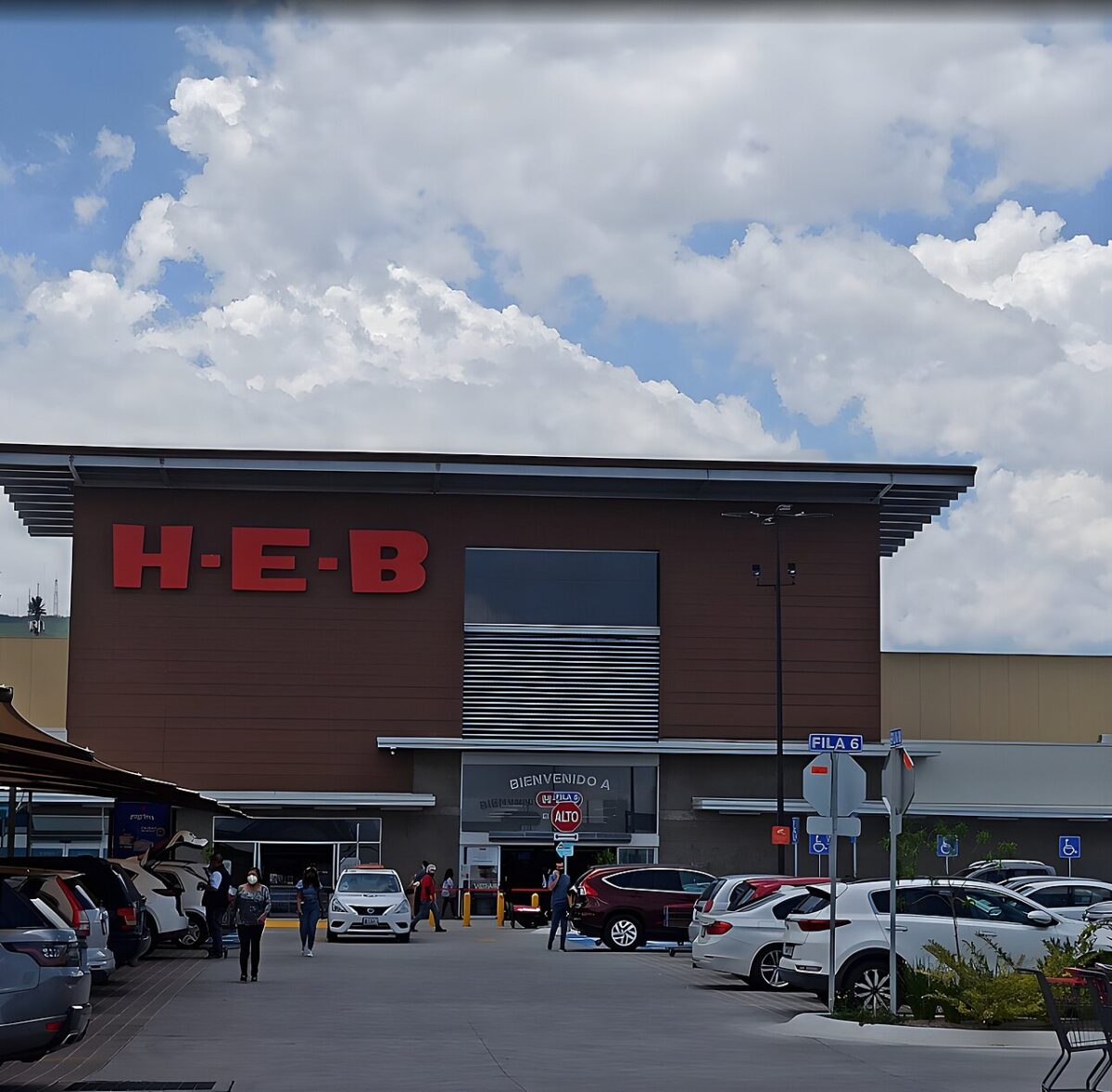
H-E-B’s Texas identity is difficult to miss, especially when the company promotes more than 6,000 items grown, harvested, or made in the state. Then there are the made-in-store flour tortillas, including butter tortillas, which give shoppers something much more memorable than another packaged bread aisle.
Founded by Florence Butt in Kerrville in 1905, H-E-B now operates across Texas and Mexico. It also placed first in dunnhumby’s 2026 Retailer Preference Index, measuring overall retailer preference.
Wegmans
Wegmans turns regional sourcing into something shoppers can actually see on the shelves. Its “Near Our Stores” program works with approximately 400 family farms and suppliers, connecting stores with food producers located around the communities they serve.
Some of those relationships go back decades. Wegmans has worked with New York’s Fowler Farms since 1983. According to the company’s 2025 Impact Report announcement, Wegmans had 114 stores across nine states and Washington, D.C. That combination of scale and named local suppliers gives the chain a strong regional-food-showcase feel.
Publix
Sometimes grocery loyalty begins at the deli counter. Publix’s chicken tender “Pub Sub” features double hand-breaded tenders, customizable toppings, and a fresh-baked sub roll. It is the kind of grocery-store food that can turn a trip for household basics into an accidental lunch stop.
Publix began when George Jenkins opened the first Publix Food Store in Winter Haven, Florida, on September 6, 1930. Today, the company lists 1,444 stores across eight Southeastern states, with especially deep roots in Florida.
Related: 11 Grocery Store Items From the 1960s That Vanished From the Shelves. Can You Remember Even 5?
Market Basket
Market Basket may have one of the most unusual examples of documented customer attachment on this list.
During a company dispute in 2014, shoppers joined a boycott supporting employees who wanted ousted CEO Arthur T. Demoulas reinstated. Some customers even taped receipts from competing supermarkets onto Market Basket windows, essentially demonstrating support by shopping somewhere else.
That episode belongs firmly to 2014, but it remains an extraordinary chapter in grocery history. Market Basket currently reports 90 stores across Massachusetts, New Hampshire, Maine, and Rhode Island, and it ranked second in Dunnhumby’s 2026 Retailer Preference Index.
Hy-Vee
Hy-Vee’s story is less about a famous sandwich and more about its Midwestern structure. The company is employee-owned, involving direct shareholders as well as employees participating through its retirement plan. That gives Hy-Vee a different kind of community connection from chains built mainly around signature products.
Charles Hyde and David Vredenburg opened the original store in Beaconsfield, Iowa, in 1930. Hy-Vee now reports more than 550 retail locations and more than 570 business units across nine Midwestern states. It also finished first in USA Today’s 2024 Best Grocery Store readers’ choice award.
Meijer
Meijer is where a grocery list can quietly turn into an entire afternoon of errands. Its supercenter format combines groceries with general merchandise, making it possible for dinner ingredients and household shopping to wind up in the same cart.
The company operates more than 500 locations across Michigan, Ohio, Indiana, Illinois, Kentucky, and Wisconsin, including several retail formats.
The business began in Greenville, Michigan, in 1934, when Hendrik Meijer opened a grocery store. His 14-year-old son Fred worked there too, giving today’s regional giant a very small-town beginning.
WinCo Foods
For cooks who enjoy buying exactly the amount they need, WinCo’s bulk section is the star attraction.
The chain offers more than 800 bulk-bin items sold by the pound, creating a shopping experience that feels noticeably different from simply pulling packaged products off a shelf. WinCo operates in 10 states across the West, Northwest, Texas, and Oklahoma.
Its company history has another distinctive feature: employees established an Employee Stock Ownership Plan in 1985 and purchased a controlling stake from the Ward family. WinCo placed sixth in Dunnhumby’s 2026 Retailer Preference Index.
Stew Leonard’s
Plenty of grocery stores have produce departments. Stew Leonard’s has produce departments with a supporting cast.
The chain is known for singing animatronic animals, vegetables, and other characters that turn an everyday grocery trip into something closer to a small family attraction. The Norwalk store received its first animatronic in 1983, and customer enthusiasm encouraged the company to expand the shows.
Today, Stew Leonard’s has eight grocery stores across Connecticut, New York and New Jersey, and the company maintains an in-house team that builds and repairs the animatronics.
Schnucks
At Schnucks, one bakery item carries a lot of St. Louis personality. The chain sells gooey butter cake in multiple formats and identifies the dessert as a St. Louis delicacy. That makes the bakery case a direct link to the food culture of the city where Schnucks has deep roots.
The company operates more than 100 Schnucks stores in Missouri, Illinois, and Indiana. In July 2026, Schnucks chefs took the regional connection to an enormous scale by making a 250-pound, flag-shaped gooey butter cake while raising funds for Operation Food Search.
Ingles Markets
Sometimes the most memorable regional detail is sitting quietly on the store-brand label. Ingles sells Laura Lynn private-label groceries, a name with a family connection.
Founder Robert Ingle named the brand after his daughter, adding a personal detail to something shoppers might otherwise view as an ordinary house label.
Ingle opened the first Ingles supermarket in Asheville, North Carolina, in 1963. As of its May 2026 financial release, the company reported 194 supermarkets across six Southeastern states, excluding three locations temporarily closed because of Hurricane Helene damage.
Regional grocery chains become memorable through different things: a warm tortilla, a deli sandwich, a famous cake, a wall of bulk bins, or an animatronic vegetable suddenly breaking into song. Those details help turn a weekly shopping routine into something recognizably tied to place, family history, and local food culture.