The Supreme Court’s final decision day could redefine citizenship, sports, elections, and presidential power
The Supreme Court’s final day of decisions is not just a Washington ritual. It is the moment when marble, microphones, and legal language suddenly become very personal.
On Tuesday, June 30, the justices are expected to close their term with rulings that could touch birth certificates, school sports teams, campaign money and the reach of presidential power. The court’s own public calendar says it may announce opinions from the bench during a 10 a.m. non-argument session, with decisions posted afterward.
This final batch of cases could shape how America defines citizenship, how states regulate gender and athletics, how political parties spend money before the midterms, and how much power a president can claim when Congress has not spoken clearly. Reuters reported that the remaining rulings include President Donald Trump’s attempt to limit birthright citizenship, a Republican challenge to campaign finance limits and disputes over transgender athletes in school sports.
Here are seven ways this decision day could reach far beyond the Supreme Court steps.
Birth certificates could become political documents.

The most emotionally charged case centers on Trump’s effort to restrict birthright citizenship. For generations, birth on U.S. soil has carried a simple promise for most children: you are American. Trump’s executive order would direct federal agencies not to recognize automatic citizenship for children born in the United States unless at least one parent is a U.S. citizen or lawful permanent resident. A lower court blocked the order before it could take effect. That turns the case into more than a fight over immigration. It turns a hospital delivery room into a constitutional checkpoint.
The practical question is chillingly simple: would a newborn’s legal status depend not only on where the child is born, but also on the immigration status of the parents? Reuters reported that experts estimated the directive could affect as many as 250,000 babies born each year and could force many families to prove a newborn’s citizenship status.
That is why this case feels different. It is not only about borders. It is about beginnings.
The Fourth of July backdrop makes the ruling harder to ignore
Timing gives this decision extra cultural weight. The court is expected to rule just before July 4, as the country prepares to mark the 250th anniversary of its founding. Reuters noted that the court is weighing what it means to be an American citizen just ahead of that milestone. That symbolism matters. Citizenship is not an abstract legal word to most families. It means a passport, a Social Security number, school enrollment, health coverage, work rights, and protection from deportation.
A ruling for Trump could redefine one of the country’s most familiar assumptions. A ruling against him could reaffirm a long-standing interpretation of the 14th Amendment’s Citizenship Clause. Either way, the decision will land inside a national birthday celebration already packed with debates over identity, immigration and belonging. America may be lighting fireworks. The court may be redrawing the meaning of the invitation.
Campaign money could get a new fast lane before the midterms.

One of the least emotional cases may be one of the most powerful. The justices are expected to rule on a Republican-led challenge to federal limits on coordinated spending between political parties and candidates. The case traces back to a lawsuit involving Vice President JD Vance’s 2022 Senate campaign in Ohio. The challengers argue that the spending limits violate the First Amendment.
If the court loosens or strikes down those limits, party committees could gain more power to pour money directly into races while coordinating with candidates. That could reshape the 2026 midterm battlefield before most voters are paying attention.
Campaign finance cases often appear dry until the ads start flooding screens. Then the legal theory becomes a living-room problem: more commercials, sharper attacks, louder mailers, and more national money in local races. The case asks a quiet question with noisy consequences: how much political money should be allowed to move in one coordinated stream?
School sports may become the next national legal map.
Another major ruling involves transgender athletes in school sports. The court is expected to decide cases involving West Virginia and Idaho laws that bar transgender girls and women from female sports teams at public schools, including universities. Lower courts had sided with transgender students who challenged the bans.
The issue has become one of the loudest culture-war fights in America. Supporters of the laws say they protect fairness and safety for women and girls. Critics say the laws discriminate against transgender students and single out a vulnerable group for political gain.
The stakes extend far beyond two states. Reuters reported that 25 other states have similar laws on the books. That means the court’s ruling could either encourage more state-level restrictions or put new constitutional limits on them. For students, parents, coaches, and school boards, this is not theoretical. It could decide who gets to try out, who gets benched by law, and how schools balance fairness, inclusion, and safety.
Trump’s presidency is again testing the edge of executive power.

Several of this term’s biggest disputes orbit the same gravitational force: presidential power.
The birthright citizenship case is central because Trump used an executive order to challenge a long-standing constitutional understanding. Reuters described the order as one of his top immigration priorities and part of a wider crackdown after he returned to office. That makes the case about more than immigration. It is also about the method.
Can a president use executive power to force a national constitutional confrontation? Can an administration change the practical meaning of citizenship without Congress passing a new law? How much should courts defer when the White House says the old rules no longer fit modern politics?
Those questions have followed Trump through immigration, tariffs, agency firings, and fights over federal power. The Supreme Court’s answer may shape not only this presidency but the next one.
The country could become even more legally fragmented.
One overlooked theme of this final decision day is the possibility of a more uneven America. If the court gives states broad room on transgender sports bans, students may face different rights depending on state lines. If the court changes campaign finance rules, political money may move faster in competitive states. If the court permits major limits on birthright citizenship, families could confront a federal system suddenly filled with new paperwork, disputes and uncertainty.
This is the hidden drama of many Supreme Court rulings. They do not always produce a single, clean national answer. Sometimes they create a patchwork. For Americans, that can mean rights and rules feel different depending on where they live, where they go to school, or where their child is born. The law may be national. The experience can become local, messy, and uneven. That is what makes this final day so consequential. The court is not just deciding cases. It may be deciding how fragmented daily life becomes.
The summer recess will not cool the political fight.
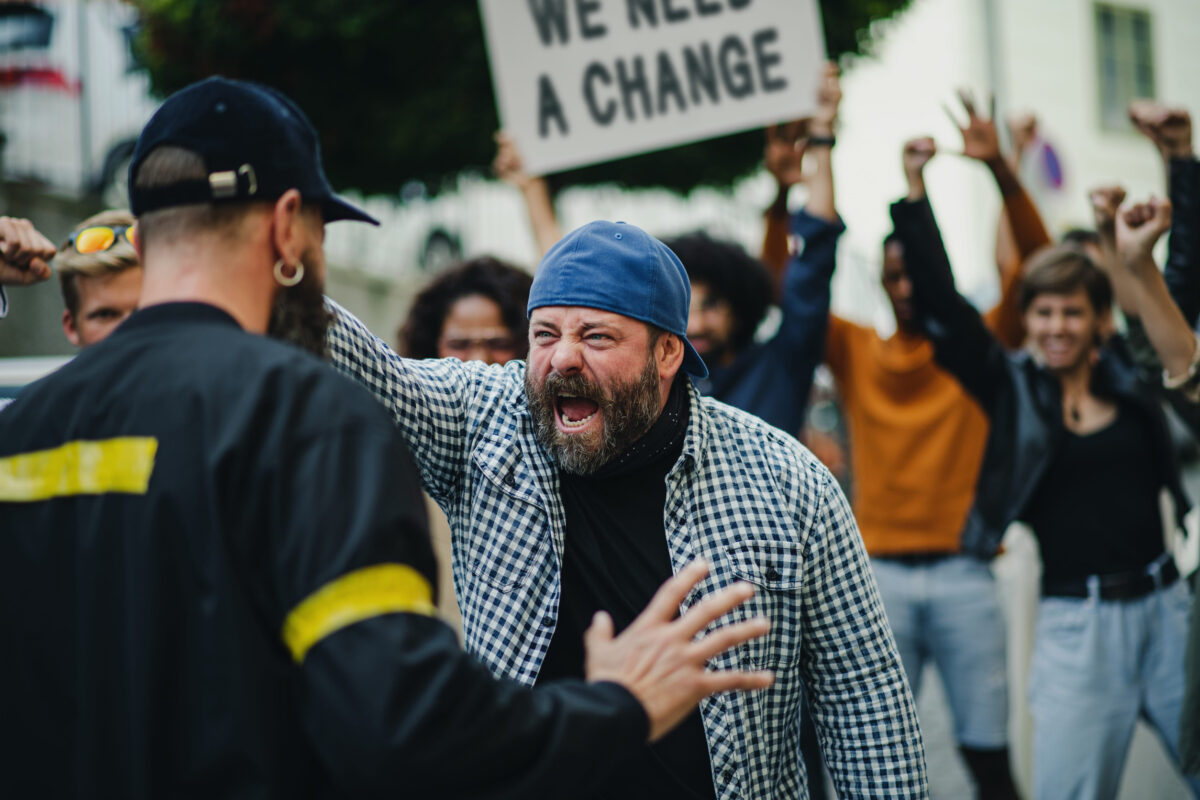
Once the justices issue their final opinions, the court will move into summer recess. The country will not. Each ruling will immediately become campaign material, legal strategy, activist fuel, and dinner-table argument. Immigration groups will parse every word of the citizenship decision. LGBTQ rights advocates and conservative state officials will respond to the sports cases. Campaign operatives will study the finance ruling like a playbook.
The court may finish its term on Tuesday, but the political season is only heating up.
That is what is left on the table. And by the end of the day, America may find that the most important decisions of summer were made indoors, behind a bench, before most people had finished their morning coffee.