Catholic Nuns Sue New York Over Transgender Care Rules, Setting Up Major Religious Freedom Showdown
A century old Catholic hospice ministry says New York has put it in an impossible position: follow state transgender care rules or remain faithful to its religious beliefs. That conflict is now headed to court, where judges could decide how far governments can go in requiring faith based healthcare providers to comply with gender identity policies. The ruling could reach far beyond one group of Catholic sisters. Legal experts say it may influence how religious hospitals, charities, schools and other faith-based organizations across the country respond to similar government requirements.
New York officials argue the law protects transgender patients from discrimination and ensures equal treatment in healthcare settings. The lawsuit now represents a broader constitutional dispute over where governments can draw the line between protecting civil rights and respecting religious convictions.
Catholic Nuns Challenge New York Gender Identity Requirements
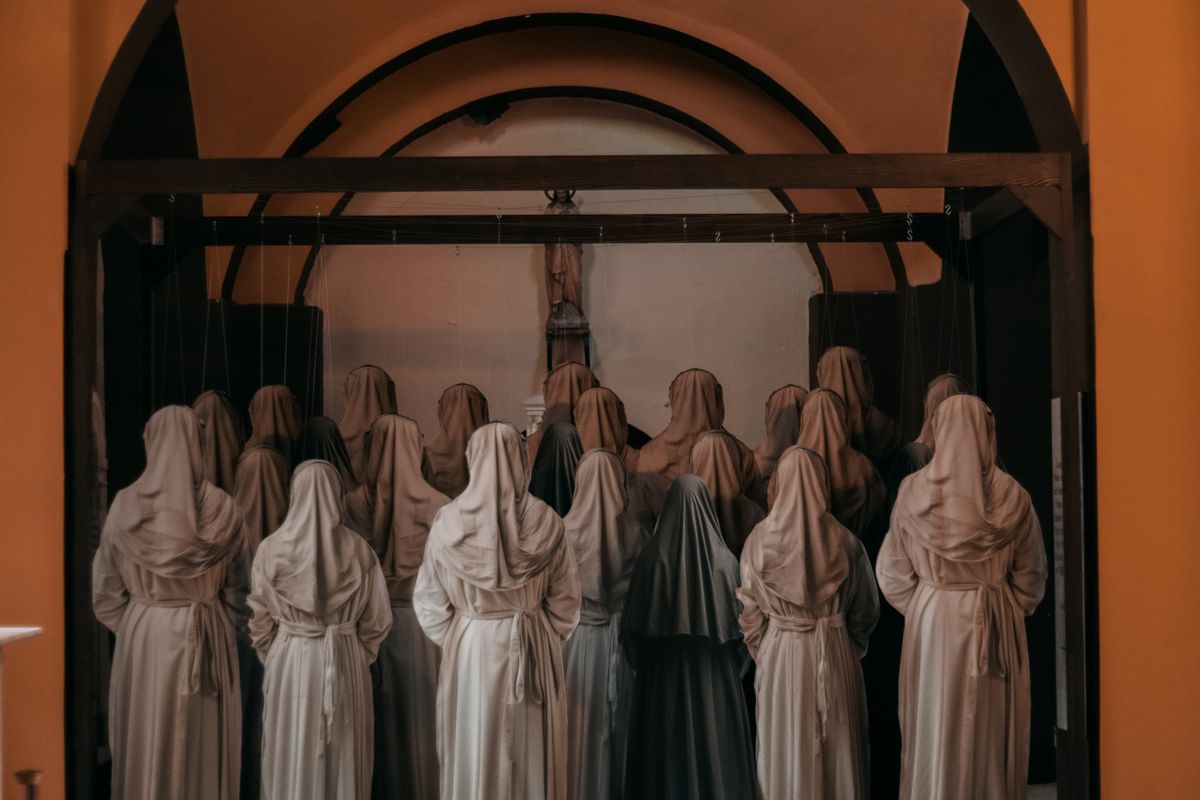
The lawsuit was filed by Catholic religious sisters who operate hospice facilities in New York. Their attorneys argue that state requirements related to gender identity violate their constitutional rights. At the center of the dispute are rules requiring healthcare providers to respect a person’s gender identity, including using requested pronouns and following gender-identity-based policies in certain situations.
The nuns argue that being required to refer to patients in ways that conflict with their religious understanding of biological sex violates their First Amendment protections for religious expression and speech. Their legal team says the government should not force religious organizations to communicate messages that contradict their beliefs, especially when they are providing care based on religious principles. The state, however, maintains that healthcare providers must serve patients equally and cannot deny respectful treatment based on gender identity.
125 Years of Hospice Care at the Center of the Dispute
The religious sisters involved in the case emphasize their long history of serving vulnerable patients. Their supporters point to more than 125 years of hospice and end-of-life care, arguing that the organization has built a reputation around compassion, dignity and service. The nuns’ attorneys say their healthcare mission has been carried out without relying on government funding, allowing them to operate in accordance with their religious values. They argue that New York’s regulations threaten the independence that has guided their work for generations.
According to their legal representation, the sisters are not seeking permission to mistreat patients. Instead, they argue that the government should not require them to adopt language or practices that conflict with their faith. The dispute highlights a difficult question facing many religious organizations: how to continue serving the public while maintaining religious principles.
New York Defends Transgender Protections in Healthcare
New York’s gender identity protections were created to prevent discrimination against transgender individuals. Supporters of the law argue that transgender patients deserve the same dignity and respect as all other patients when receiving medical care. Advocates say using a person’s correct name and pronouns is a basic part of providing respectful healthcare and preventing emotional harm.
They argue that allowing individual healthcare providers to reject those practices could create unequal treatment for transgender patients seeking essential services. New York officials have defended the regulations as necessary protections for a vulnerable population. The state’s position is that healthcare organizations granted permission to operate within the public healthcare system must comply with anti-discrimination requirements designed to protect patients.
Religious Freedom Advocates Warn of Government Overreach
The lawsuit has drawn attention from religious freedom advocates, who say it raises serious constitutional concerns. They argue that government agencies should not force religious groups to abandon beliefs that are central to their identity. Supporters of the nuns say the issue extends beyond this specific hospice organization and could affect churches, religious charities, schools, and other faith-based institutions across the country.
They warn that if states can require religious organizations to use language that conflicts with their beliefs, similar disputes could emerge in other areas of public life. The First Amendment protects both the free exercise of religion and freedom of speech, and courts have repeatedly examined how those protections interact with government regulations. The outcome of this case could provide guidance on how courts balance religious liberty with the expansion of civil rights protections.
The Debate Over Pronouns and Government Speech Requirements
One of the most controversial parts of the dispute involves pronoun use. The nuns’ attorneys argue that requiring specific language forces them to communicate a message they do not personally support. They compare the requirement to other cases where courts have examined whether the government can compel individuals or organizations to express certain viewpoints.
Opponents argue that pronoun use in a healthcare environment is not a political statement but part of professional communication and patient care. They say medical providers routinely adapt their communication practices to respect patients, taking into account cultural, personal, and medical circumstances. The disagreement reflects a larger national debate about whether pronouns represent personal expression, basic courtesy, or government-mandated speech.
A Larger National Fight Over Faith and LGBTQ Rights
The New York lawsuit comes as similar conflicts continue across the United States. Religious organizations and LGBTQ advocacy groups have increasingly found themselves on opposite sides of legal disputes involving schools, healthcare, employment, and public accommodations. Courts have been asked to determine how to protect both religious liberty and equal access protections.
In some cases, judges have sided with religious groups, ruling that government requirements placed too much pressure on religious expression. In others, courts have upheld anti-discrimination rules as necessary protections. The legal landscape continues to evolve as lawmakers and courts address new questions created by changing social policies.
What Happens Next in the Catholic Nuns Lawsuit
The lawsuit will likely become part of the broader national discussion about the limits of government authority and the protections available to religious organizations. The court’s decision could influence how healthcare providers, especially faith-based institutions, handle similar regulations in the future. For the Catholic sisters involved, the case is about preserving the religious identity that has guided their hospice ministry for more than a century.
For New York officials and transgender rights advocates, the case is about ensuring that every patient receives equal respect and protection in healthcare settings. At its core, the dispute asks a fundamental constitutional question: how should America balance the right to practice religious beliefs with the responsibility to protect individuals from discrimination? The answer could shape the future relationship between faith-based healthcare providers and government regulations nationwide.