Bill Gates Opens Up About Affairs As Epstein Blackmail Claims Resurface
Bill Gates has spent much of his public life trying to control the story around his name. For decades, that story was built around Microsoft, global wealth, philanthropy, vaccines, education, climate work, and the Gates Foundation’s enormous influence around the world.
But newly released congressional testimony has pulled a far more private and uncomfortable chapter into public view. Gates told lawmakers that Jeffrey Epstein, the late convicted sex offender, knew about his extramarital affairs and appeared to use that knowledge in an attempt to pressure him.
The testimony does not simply reopen questions about Gates’s personal life. It adds another layer to the larger Epstein story, one built around power, access, secrets, reputation, and the way Epstein allegedly moved through elite circles after his criminal conviction.
Gates has admitted that meeting Epstein was a serious mistake. In the newly released transcript, he went further by describing how Epstein’s knowledge of his private conduct became part of what Gates viewed as a pressure campaign. Gates said Epstein did not successfully blackmail him, but he believed Epstein appeared to be considering it.
The result is a story that feels less like a celebrity scandal and more like a warning about how private weakness can become public leverage when powerful people allow dangerous figures into their orbit.
The Testimony Brought Gates’s Private Life Into An Epstein Investigation
Gates gave testimony before the House Oversight Committee on June 10, 2026, as lawmakers continued reviewing federal investigations into Epstein and Ghislaine Maxwell. The committee later released the transcript, placing Gates’s answers into the public record.
The questioning focused on Gates’s contact with Epstein, why he met with him, what they discussed, and whether Epstein used personal information to influence him.
Gates said he first became acquainted with Epstein in 2011, years after Epstein had pleaded guilty in Florida to charges involving solicitation of a minor for prostitution. Gates has said the connection began through people around him and was tied to discussions about philanthropy.
According to Gates, Epstein presented himself as someone who could help connect wealthy donors to global health and charitable projects. Gates said those conversations did not produce the kind of philanthropic results Epstein had suggested.
That failure now matters because Gates’s account suggests Epstein later shifted from opportunity to pressure. Once the promised charitable funding did not materialize, Gates said Epstein appeared to use private information about his affairs as leverage.
Gates Named Three Women In The Transcript
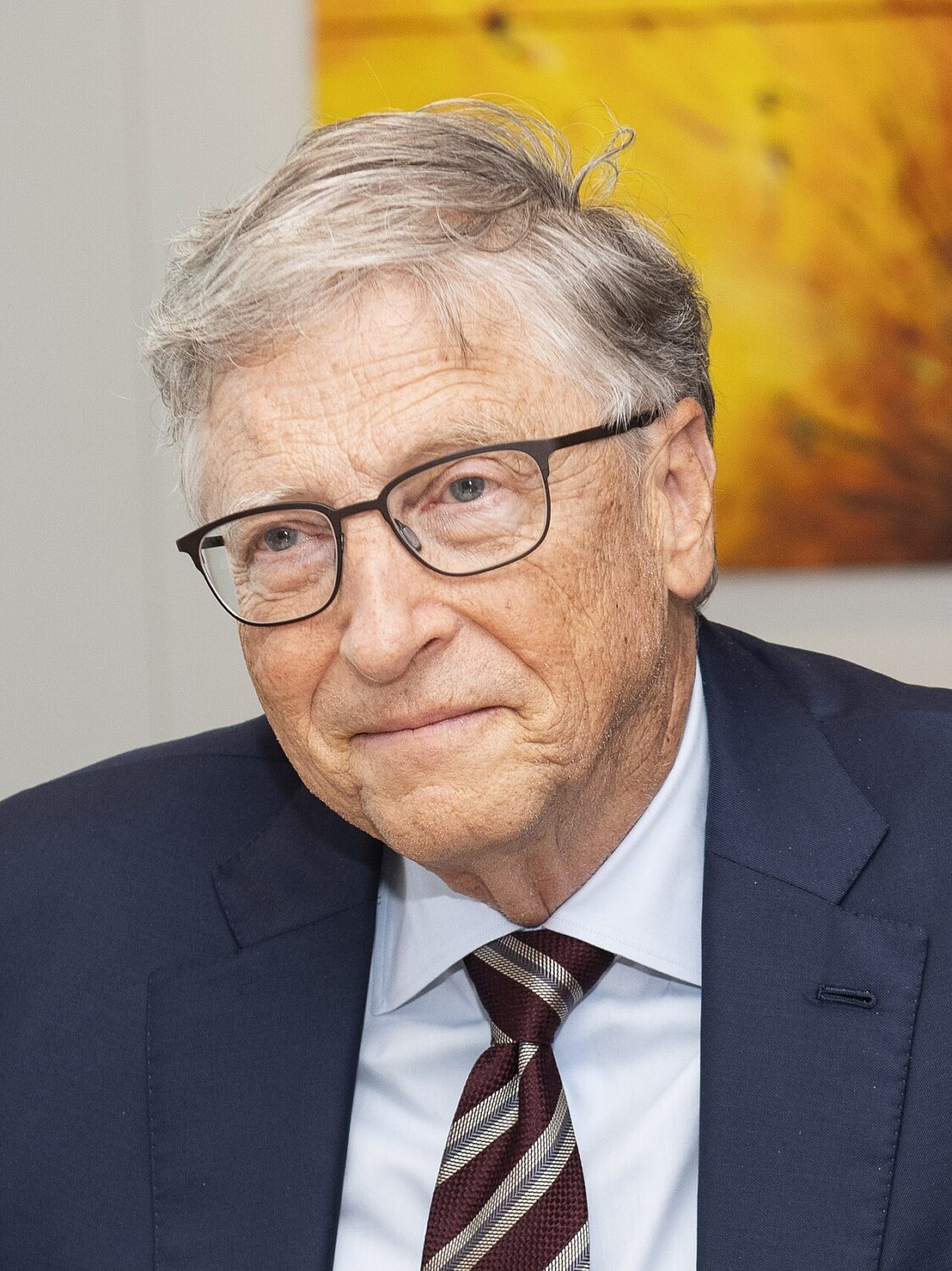
During the testimony, Gates identified three women with whom he said he had extramarital affairs during his marriage to Melinda French Gates. The names reported from the transcript were Mila Antonova, Karima Nigmatulina, and Dr. Alice Jacobs Nesselrodt.
Gates told lawmakers those affairs were separate from Epstein. He denied that Epstein arranged them. He also denied that Epstein provided women to him or that the affairs were part of Epstein’s criminal activity.
That distinction is central to the story. Gates was not saying Epstein created the affairs. He was saying Epstein learned about them and appeared to understand that the information could be damaging if exposed.
In Gates’s telling, Epstein’s power came from proximity. He did not need to control every event directly. He needed access to powerful people, information about their vulnerabilities, and enough confidence to suggest he could make private matters public.
That is why the testimony is so revealing. It shows how Epstein’s influence may have worked around the edges of wealth and reputation. A secret did not need to become public to become useful. It only had to be known by the wrong person.
The Pressure Was Allegedly Subtle, Not Straightforward
Gates did not describe a simple blackmail note with a direct demand. Instead, he described something more indirect.
He said Epstein appeared to make veiled threats. Gates believed Epstein was trying to use knowledge of his affairs, along with misleading claims, to draw him back into contact. Gates said Epstein’s effort was unsuccessful.
That kind of pressure can be difficult to define because it often lives in implication. It is not always the blunt statement, “Do this or I will expose you.” Sometimes it comes through hints, reminders, uncomfortable messages, or the sudden appearance of information someone thought was private.
For a man like Gates, whose public image carried enormous financial, philanthropic, and family weight, the threat of embarrassment alone could have been powerful. Epstein, according to Gates’s testimony, seemed to understand that.
The testimony adds to a broader portrait of Epstein as someone who cultivated not only friendships with wealthy people, but also information that could make those people feel trapped, cautious, or compromised.
Why Gates Met Epstein Still Matters
Gates has repeatedly said he met Epstein because he believed Epstein might help with philanthropy. At the time, Gates was already one of the world’s most important charitable figures. The Gates Foundation was deeply involved in global health, vaccines, poverty reduction, and development work.
Epstein, despite his criminal conviction, continued to move through circles of wealth, science, academia, and finance. He positioned himself as a connector, someone who knew people with money and could bring them into major projects.
That explanation has not fully satisfied critics. Epstein’s 2008 conviction was already public, and Gates’s decision to meet him years later has remained one of the most damaging parts of the story.
Gates has called the association a grave error in judgment. That phrase matters because it suggests he now recognizes that the appearance of access itself gave Epstein something valuable. When a figure like Gates agreed to meet him, Epstein could use that connection to rebuild credibility.
In the world Epstein inhabited, names mattered. A meeting with Gates was not just a meeting. It was a signal to others that Epstein still had reach.
Gates Denied Criminal Conduct Or Deeper Epstein Involvement
Throughout the testimony, Gates tried to separate his personal failures from Epstein’s crimes. He denied participating in Epstein’s abuse, denied witnessing criminal conduct, and said he never visited Epstein’s island, ranch, or Florida home.
Those denials are important because Epstein’s network remains one of the most scrutinized scandals in modern American public life. Lawmakers, journalists, and victims’ advocates have continued to ask who knew what, who benefited from access, and why Epstein maintained powerful connections for so long after his conviction.
Gates’s testimony does not answer every question about Epstein’s world. It does, however, provide a rare look at how one of the most famous men on the planet says Epstein operated once he had access.
In Gates’s version, Epstein was not merely socially ambitious. He was strategic. He used the language of philanthropy to get close, then allegedly tried to use sensitive personal information when the relationship no longer served him.
That pattern is part of what makes the testimony so damaging. It suggests that Epstein’s network was not built only on friendship or money. It was built on usefulness, secrets, and control.
The Melinda French Gates Shadow Over The Story
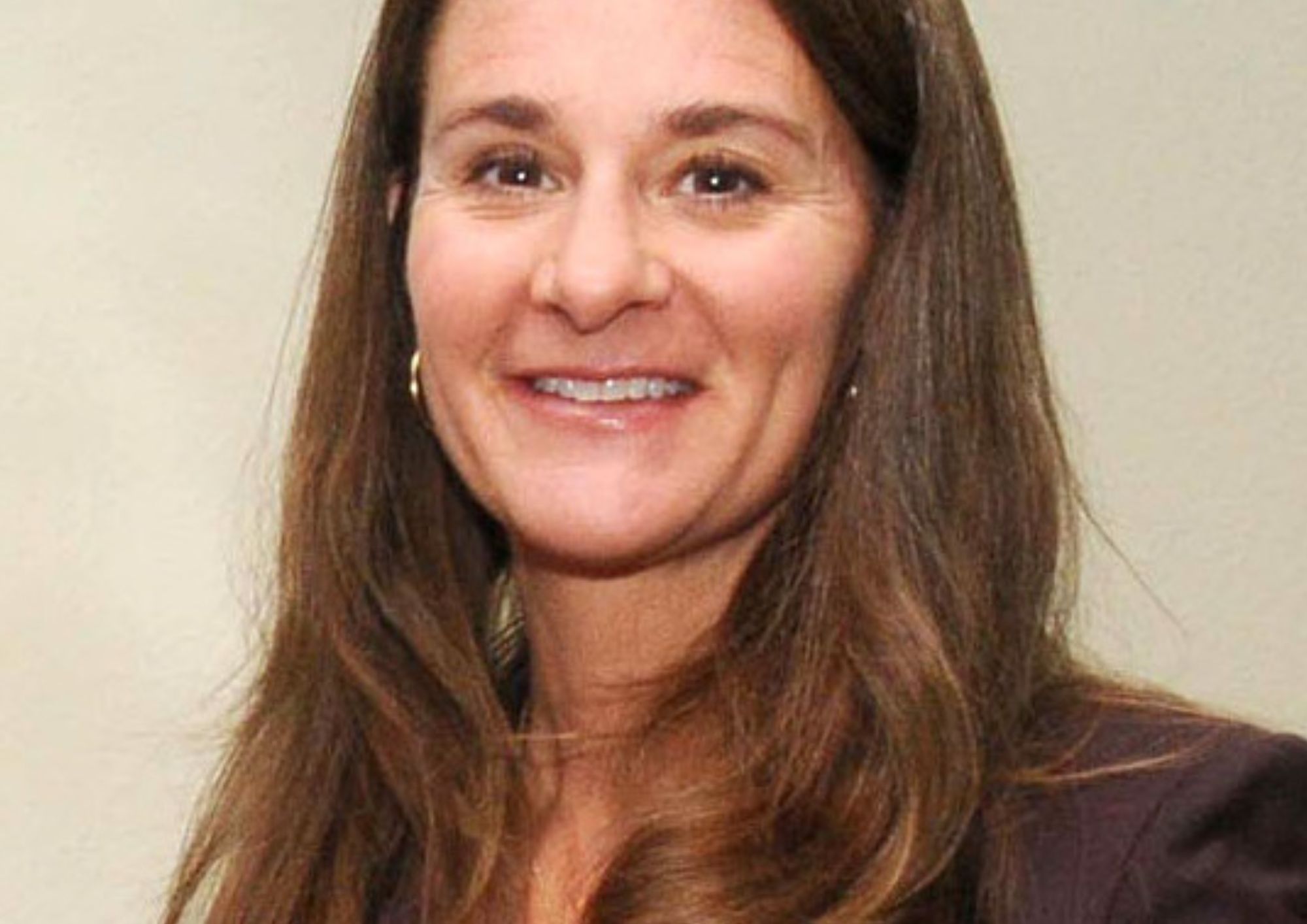
The testimony also lands against the backdrop of Gates’s divorce from Melinda French Gates, one of the most public separations in the world of philanthropy and business.
Melinda has previously spoken about Gates’s association with Epstein and described it as deeply troubling. She has also addressed the emotional difficulty of the divorce and the damage caused by broken trust.
That history makes the new testimony feel even more personal. Gates’s admissions are not appearing in isolation. They connect to years of questions about his marriage, his judgment, and the gap between his public image and private conduct.
For Gates, the damage is not simply reputational. It is historical. His legacy will always include Microsoft and philanthropy, but the Epstein connection has become a permanent complication in how the public reads his life.
The testimony shows a man trying to acknowledge mistakes without allowing them to become something larger. But Epstein’s name has a way of making every connection larger.
The Bigger Story Is About Power And Vulnerability
What makes this testimony stand out is not only that Gates admitted to affairs. Public figures have survived personal scandals before.
The larger issue is how those affairs allegedly became useful to Epstein. The testimony shows that even the richest and most powerful people can become vulnerable when they allow someone with predatory instincts into their private world.
Power often creates the illusion of protection. Gates had wealth, lawyers, advisers, security, status, and global influence. Yet his own testimony suggests Epstein still found a pressure point.
That is the unsettling lesson inside the story. Epstein’s access to elite circles did not depend only on charm or money. It depended on understanding human weakness. Reputation, shame, secrecy, ambition, and fear all became part of the same machinery.
For ordinary readers, the story is not just about Bill Gates. It is about how influence can operate quietly behind closed doors. It is about how a person with damaging information can hold power even without ever making a direct public threat.
A Painful Chapter Returns To Public View
Gates says Epstein failed to blackmail him. He says he regrets ever meeting him. He says the affairs were unrelated to Epstein and that he did not participate in Epstein’s crimes.
Still, the testimony leaves behind a harsh public record. Gates’s private conduct, Epstein’s alleged pressure, and the broader question of elite accountability are now tied together in an official congressional transcript.
That is why the story continues to draw attention. It is not only about old affairs. It is about what those affairs allegedly became in Epstein’s hands.
For Gates, the episode is another reminder that private mistakes can follow public figures for years. For the public, it offers another glimpse into the way Epstein allegedly operated among the powerful, not always through open force, but through access, implication, and the quiet threat of exposure.
In the end, Gates’s testimony adds one more uncomfortable detail to the Epstein record. A billionaire philanthropist says a convicted sex offender knew his secrets and tried to use them. That alone explains why the story has not faded.