6 Luxury Foods Around the World That Come With Astonishing Price Tags
From rare fungi to gold-covered delicacies, these extraordinary foods represent the height of culinary luxury.
Food is one of life’s greatest pleasures, but for some people worldwide, dining isn’t just about taste; it’s about rarity, exclusivity, and prestige. While most people seek affordable, delicious meals, a small group of collectors, chefs, and luxury diners will pay thousands of dollars for ingredients that are hard to find and impossible to replace.
The world’s most expensive foods often have fascinating stories behind them. Some come from rare locations, others require years of careful production, and many are connected to centuries-old traditions. Limited supply, exceptional quality, and the craftsmanship required to bring them to the table drive their prices.
From valuable mushrooms hidden beneath the soil to seafood harvested from specific regions, these luxury foods prove that the culinary world has no limits when it comes to exclusivity.
Almas Caviar
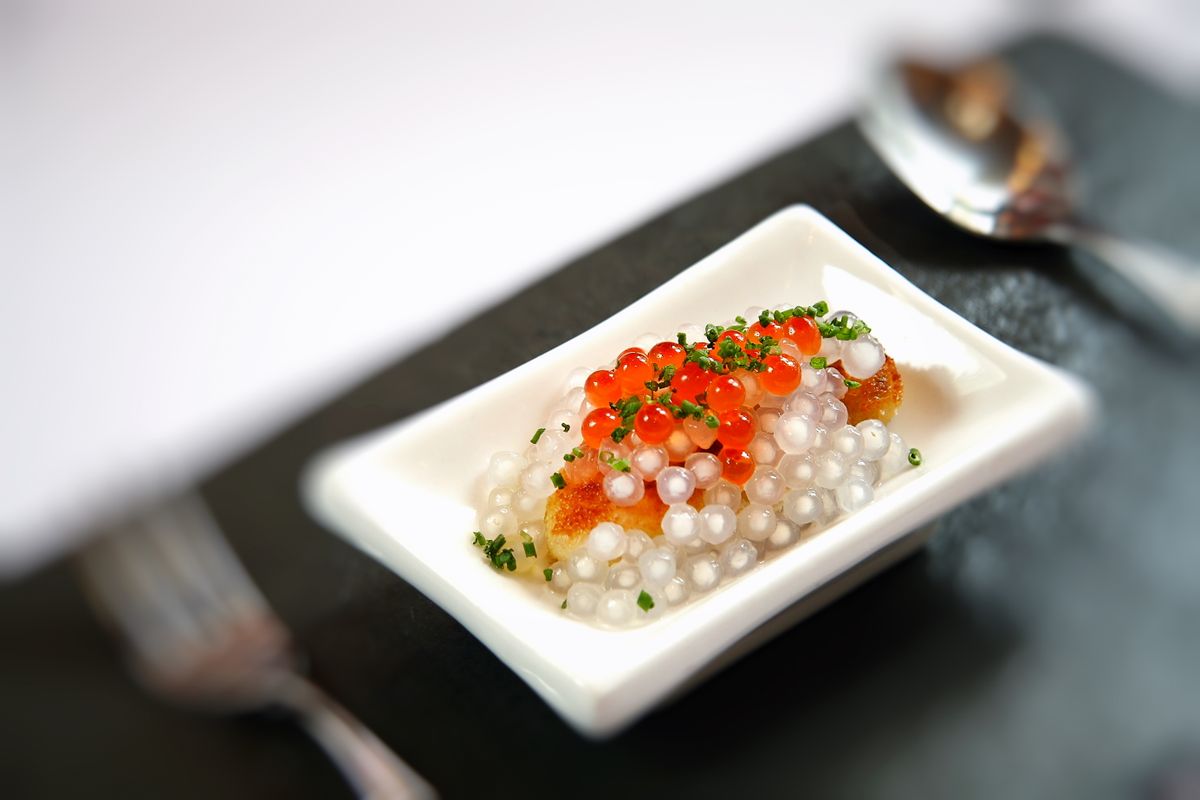
Caviar has long been associated with wealth and sophistication, but one variety stands above the rest: Almas caviar. Produced from the eggs of the rare albino Beluga sturgeon, Almas caviar is considered one of the most expensive foods in the world.
The name “Almas” means “diamond” in Persian, a fitting description for a product often sold in luxurious packaging, including containers made from precious materials. The rarity of the albino Beluga sturgeon is the main reason behind its extraordinary price. These fish can take many years to mature before producing eggs, and supply is extremely limited.
Almas caviar is often described as delicate, smooth, and slightly nutty. Unlike ordinary seafood products, diners usually enjoy it in small quantities, focusing on the texture and subtle taste rather than eating large portions.
Luxury restaurants and wealthy collectors seek out Almas caviar as a symbol of refinement. For many, purchasing it is not simply about enjoying food but experiencing a rare culinary tradition.
White Truffles
Few ingredients inspire as much excitement among chefs as white truffles. Found mainly in Italy and parts of Europe, these underground fungi are among the most valuable ingredients in the culinary world.
Unlike cultivated crops, white truffles cannot easily be grown on demand. They depend on specific soil conditions, weather patterns, and natural relationships with tree roots. Skilled hunters use specially trained dogs to locate them underground, making every harvest unpredictable.
White truffles are defined by their intense aroma. Chefs often shave thin slices over pasta, risotto, eggs, and other simple dishes because their powerful flavor can transform an ordinary meal into a luxury experience.
Large, high-quality white truffles can sell for enormous sums at international auctions. Their short growing season and limited availability make them highly desirable among elite restaurants and food collectors.
For many chefs, white truffles represent the perfect example of nature creating something that cannot be mass-produced.
Wagyu Beef
Wagyu beef from Japan has become famous worldwide for its exceptional marbling, tenderness, and rich flavor. Unlike regular beef, premium Wagyu is produced through careful breeding and strict farming practices designed to create meat of remarkable quality.
The most famous varieties include beef from regions such as Kobe, Matsusaka, and Miyazaki. High-grade Wagyu contains intense marbling, meaning fine layers of fat spread throughout the meat. This gives it a soft texture and distinctive taste.
Producing top-quality Wagyu requires patience and attention. Farmers carefully manage the animals’ environment, diet, and overall health to maintain high standards. This detailed process contributes to the meat’s high cost.
At luxury restaurants worldwide, Wagyu steaks are often served in small portions because of their richness. For many food enthusiasts, eating premium Wagyu is considered a once-in-a-lifetime culinary experience.
Wagyu’s popularity has also grown internationally, with chefs using it in everything from traditional steaks to modern gourmet creations.
Saffron
Known as the “red gold” of spices, saffron has been treasured for centuries. Made from the delicate threads of the crocus flower, saffron is extremely labor-intensive to produce.
Each flower contains only a few tiny strands, and workers must hand-pick them carefully. Thousands of flowers are needed to produce even a small amount of saffron, which helps explain its high price.
Saffron is valued for its unique color, aroma, and flavor. It is used in famous dishes around the world, including Spanish paella, Persian rice dishes, and various desserts.
Beyond cooking, saffron has played an important role in traditional medicine and cultural practices throughout history. Its combination of beauty, rarity, and usefulness has helped maintain its reputation as one of the world’s most valuable ingredients.
Although recipes need only a small amount, high-quality saffron remains a luxury item prized by chefs and food lovers.
Yubari King Melons
Fruit may seem like an everyday food, but certain varieties can reach astonishing prices. The Yubari King melon from Japan is one of the most famous examples.
Grown in the town of Yubari in Hokkaido, these melons are known for their perfect shape, sweetness, and careful cultivation process. Farmers pay close attention to every detail, from selecting the best plants to protecting the fruit as it grows.
In Japan, melons are often given as luxury gifts, where beautifully presented fruit signals respect and appreciation. The highest-quality examples can sell for very high prices at auctions.
The value of Yubari King melons is not only about flavor. It also reflects presentation, craftsmanship, and the cultural importance of gift-giving.
A perfectly grown melon represents dedication and precision, qualities highly valued in Japanese food culture.
Bird’s Nest Soup
Bird’s nest soup is another luxury food with a long history, particularly in Chinese cuisine. Made from edible nests created by certain swiftlets, the ingredient has been considered a delicacy for centuries.
People collect the nests from caves and other locations where swiftlets build them with their own saliva, which hardens into a structure that can be prepared as food.
Because harvesting these nests can be challenging and supplies are limited, high-quality bird’s nest can be extremely expensive. It is traditionally served in special meals and celebrations.
The dish has a strong cultural connection, with many people valuing it as a symbol of status and tradition. Modern discussions around bird’s nest production have also focused on sustainability and responsible harvesting practices.
The Price of Culinary Exclusivity
The world’s most expensive foods reveal a fascinating side of human taste and culture. While many of these products are beyond the reach of ordinary diners, they represent centuries of tradition, skilled craftsmanship, and the natural rarity of certain ingredients.
Whether it is a rare mushroom discovered underground, a perfectly raised piece of beef, or a fruit grown with extraordinary care, these foods demonstrate that luxury can exist even in the simplest forms.
For most people, the enjoyment of food comes from sharing meals with family and friends, not paying thousands for a single ingredient. However, these extraordinary delicacies continue to capture global attention because they represent something rare: the pursuit of perfection on a plate.
In luxury dining, the most expensive foods are not just meals; they are experiences, stories, and symbols of a remarkable culinary journey.