7 Grocery Labels That Don’t Mean What Many Shoppers Assume.
Walking through a grocery store today can feel like navigating a maze of promises. Food packages are covered with phrases designed to catch attention: “natural,” “farm fresh,” “multigrain,” “light,” “no added sugar,” and “organic.” Many shoppers rely on these labels to make healthier choices, but some terms aren’t as straightforward as they seem.
Food labels are meant to provide information, but marketing language can sometimes create assumptions that go beyond what the label actually guarantees. Understanding what these phrases really mean can help consumers make more informed decisions and avoid paying extra for products that may not match their expectations.
Here are seven common grocery labels that often surprise shoppers.
“Natural” Does Not Always Mean Healthier
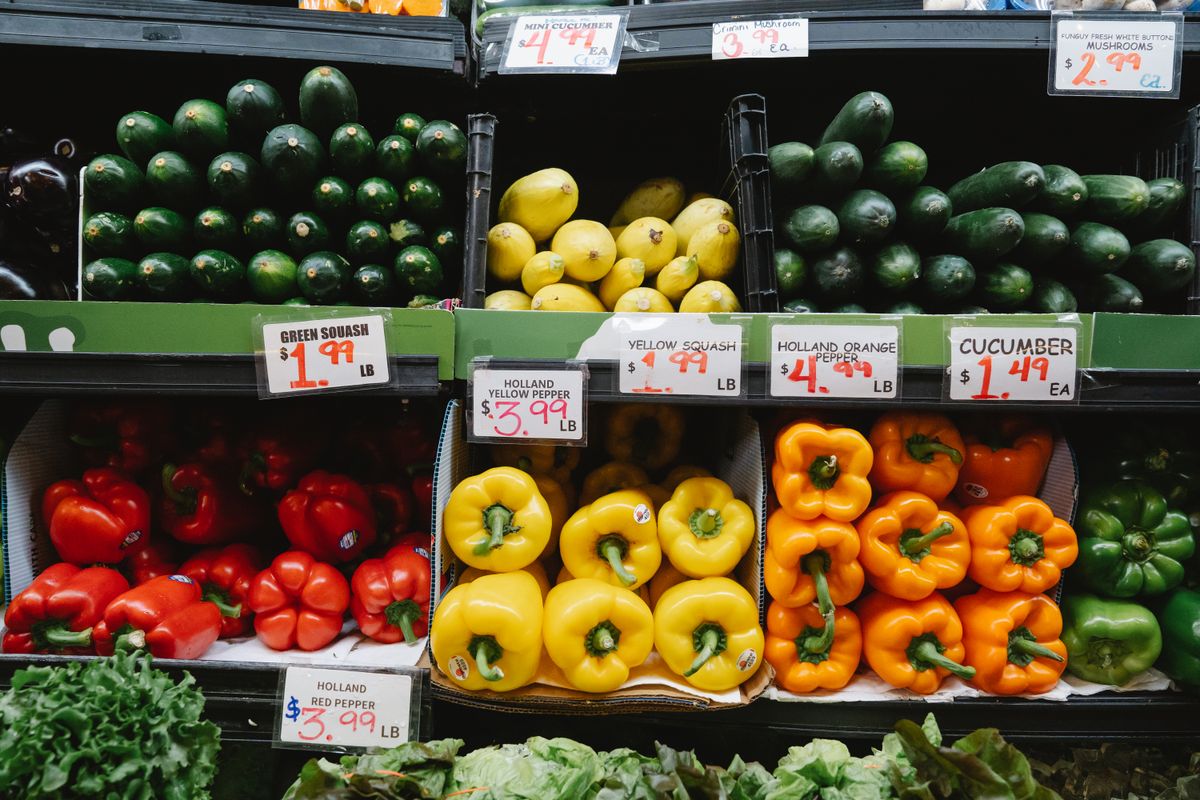
The word “natural” is one of the most misunderstood labels in grocery aisles.
Many consumers assume that a product labeled “natural” contains healthier ingredients, fewer chemicals, or is closer to a homemade food. However, the term does not necessarily mean a product is more nutritious than another option.
In many markets, including the United States, “natural” generally refers to products that do not contain artificial colors, artificial flavors, or certain synthetic ingredients. It does not automatically mean the food is low in sugar, low in calories, organic, or free from processing.
For example, a snack labeled “natural” could still contain large amounts of sugar, salt, or refined carbohydrates. A beverage can carry a natural claim while still being high in calories.
Nutrition experts often advise shoppers to look beyond front-of-package claims and check the ingredient list and nutrition facts panel.
“Multigrain” Does Not Always Mean Whole Grain
Bread, crackers, and cereals often display the word “multigrain,” which sounds like a healthier choice. Many shoppers interpret it as meaning the product contains several nutritious whole grains.
However, “multigrain” means that more than one type of grain has been used. Those grains may be refined rather than whole.
A loaf of bread can contain multiple grains but still have very little fiber if the grains have been processed and stripped of parts such as the bran and germ.
Consumers looking for more nutritious grain products should check whether the package specifically says “100% whole grain” or whether whole grains appear as the first ingredient.
The difference matters because whole grains generally contain more fiber and nutrients compared with refined grains.
“No Added Sugar” Does Not Mean Sugar-Free
The phrase “no added sugar” has become popular among shoppers trying to reduce sugar intake. But the label does not mean a product contains no sugar.
A product with this claim can still contain naturally occurring sugars from ingredients such as fruit, milk, or other sources.
For example, a fruit-based product may have no added sweeteners but still contain significant sugar because fruit naturally contains sugar. Similarly, dairy products contain lactose, a naturally occurring sugar.
The label only indicates that manufacturers did not add additional sugars during processing.
Consumers should still review the total sugar amount listed on the nutrition label, especially if they are monitoring their intake.
“Light” Can Refer to More Than Calories
The word “light” often gives shoppers the impression that a product is lower in calories or healthier than the original version. But the term can have several meanings depending on the product.
In some cases, “light” refers to reduced calories or fat. In others, it may describe texture, color, flavor, or even processing methods.
For example, “light olive oil” does not necessarily mean it has fewer calories than regular olive oil. Instead, the term often refers to a lighter flavor or color because of how the oil has been processed.
Similarly, “light” versions of some foods may reduce one ingredient while increasing another to maintain taste and texture.
Checking the nutrition facts panel is the best way to determine what has actually changed.
“Farm Fresh” Is Mostly a Marketing Phrase
Images of farms, barns, and fields on packaging can create a powerful impression. Labels such as “farm fresh” often suggest a product is locally produced, recently harvested, or directly from a small farm.
However, these terms may not always have a strict legal definition.
A carton of eggs, a dairy product, or a packaged food can use farm-related imagery or language without meaning the product came from a nearby family farm or was produced using special farming methods.
The phrase is often intended to create a feeling of freshness and tradition rather than provide specific production information.
Shoppers who want to support local farmers or specific agricultural practices should look for verified certifications, producer information, or local sourcing details.
“Organic” Does Not Mean Completely Chemical-Free
Organic foods have become increasingly popular, and many consumers associate the label with healthier, more environmentally friendly products.
Organic certification typically involves specific rules about farming practices, including restrictions on certain pesticides, fertilizers, genetically modified organisms, and livestock practices.
However, organic does not mean a food is completely free from pesticides or other substances. Organic farming can still involve approved substances under certification rules.
Additionally, an organic label does not automatically guarantee that a product is lower in calories, sugar, or fat. An organic cookie is still a cookie, and an organic snack can still be highly processed.
The label describes how ingredients were produced, not necessarily the food’s overall nutritional quality.
“Free Range” Does Not Always Mean Animals Roamed Freely Outdoors
Animal welfare labels can be especially confusing because many shoppers picture open fields and animals spending most of their time outdoors.
The phrase “free range” generally suggests that animals have some access to outdoor areas, but the exact conditions can vary depending on regulations and certification standards.
For poultry products, for example, free-range requirements may focus on access to outdoor space, but they do not necessarily mean birds spent most of their lives outside.
Other labels, such as pasture-raised or third-party animal welfare certifications, may provide additional details about farming conditions.
Consumers who care about animal welfare often need to look beyond a single phrase on the package and research what specific standards apply.
Reading Beyond the Front of the Package
Food companies know that shoppers make quick decisions, and front-of-package labels are designed to communicate simple messages in seconds. Words like “natural,” “fresh,” and “healthy-sounding” can influence buying decisions before consumers ever read the details.
That does not mean these labels are meaningless. Many provide useful information when you understand them correctly. The challenge is recognizing what a label actually promises and what it leaves unsaid.
Nutrition experts recommend focusing on several factors:
- Reading ingredient lists
- Comparing nutrition facts
- Checking serving sizes
- Looking for verified certifications
- Considering the overall diet rather than one product claim
A package may highlight one positive feature while leaving out other important details. A cereal may advertise whole grains but contain high amounts of added sugar. A snack may be organic but still contain limited nutritional value.
The most informed shoppers learn to treat labels as clues rather than complete explanations.
As grocery shelves become increasingly crowded with competing claims, understanding food labels can help consumers spend their money wisely and choose products based on facts rather than assumptions.