Beyoncé, Rihanna, and Oprah Turn Forbes’ 2026 Self-Made Women List Into a Billion-Dollar Power Map
The 2026 Forbes America’s Richest Self-Made Women list tells a bigger story than celebrity net worth. Beyoncé, Rihanna, Oprah Winfrey, and Taylor Swift are not just famous names sitting beside billion-dollar figures. They represent four different routes into modern wealth, where culture, ownership, touring, beauty, media, catalog rights, real estate, and brand control now matter as much as the original talent that made the public pay attention.
We are watching a new kind of celebrity economy take shape. The richest women in entertainment are no longer building fortunes from a single paycheck, a hit show, an album cycle, or an endorsement deal. They are building business systems that keep working after the tour ends, after the camera turns off, and after the album leaves the charts. That is why the 2026 Forbes self-made women ranking matters. It shows how the most powerful women in popular culture turned attention into equity, and equity into wealth on a generational scale.
Forbes’ 2026 Self-Made Women List Is Bigger Than Celebrity Gossip

Forbes’ 2026 America’s Richest Self-Made Women list includes a record group of billionaire women, with the ranking now focused on women who built their own fortunes rather than inherited them. That detail matters because it shifts the conversation away from fame alone. We are not looking at a simple popularity contest. We are looking at a financial scoreboard in which ownership, timing, business structure, and long-term control separate the merely famous from the truly wealthy.
Diane Hendricks, the building-supply billionaire behind ABC Supply, still tops the list, which reminds us that most self-made female wealth in America comes from hard-core business sectors such as construction, technology, software, retail, finance, and manufacturing. Yet the entertainment names draw attention because they show how the creator economy has matured. Beyoncé, Rihanna, Oprah, and Taylor Swift are not ranked because they are beloved. They are ranked because they converted public trust into durable assets. Their fame opened the door, but ownership kept them inside the room.
Beyoncé Reaches Billionaire Status Through the Power of Total Control
Beyoncé’s arrival on the 2026 Forbes America’s Richest Self-Made Women list is one of the most striking developments, as her fortune is rooted in music, performance, and a tightly controlled creative empire. Her estimated net worth is $1 billion, and her 2025 Cowboy Carter Tour was a major driver of that milestone. The tour reportedly generated more than $450 million from ticket sales and merchandise, proving that Beyoncé’s live business remains one of the most powerful engines in global entertainment.
What makes Beyoncé’s wealth story different is the structure behind the spotlight. Through Parkwood Entertainment, she has built a system that connects music, film, touring, branding, visuals, documentaries, fashion moments, and cultural storytelling. We can clearly see the business strategy. She does not simply release music and wait for royalties. She builds eras, worlds, and experiences that turn albums into touring events, tours into merchandise machines, and cultural moments into long-tail brand value.
Cowboy Carter Became a Business Case, Not Just an Album Era

Cowboy Carter was more than a genre experiment. It became a business case in how a superstar can reshape an existing category and still move serious money. Beyoncé’s move into country-inspired storytelling expanded the cultural conversation around Black artists, American music history, and genre ownership. That made the project bigger than sales. It gave the era emotional weight, political texture, and commercial power all at once.
The tour’s success shows why Beyoncé’s billionaire moment feels different from a standard celebrity valuation. A tour grossing above $450 million does not happen because fans casually like an artist. It happens when the artist has built a world people want to physically enter. That world includes costumes, stage design, choreography, visual identity, merchandise, social media moments, and the prestige of saying, “I was there.” We are looking at live entertainment as a luxury culture, and Beyoncé has mastered that economy.
Rihanna Built Her Billion Through Beauty, Fashion, and Consumer Trust

426666187
Rihanna’s position on the 2026 list tells a different story. Her estimated net worth is also listed at $1 billion, but the backbone of her fortune does not come mainly from music. It comes from Fenty Beauty and Savage X Fenty, two ventures that turned Rihanna’s cultural influence into consumer brands with real market value. That makes her one of the clearest examples of a celebrity who used fame as a launchpad rather than a final destination.
Fenty Beauty changed the celebrity beauty game because it did not enter the market as another vanity product. It entered with a clear gap. Many consumers, especially women with deeper skin tones, had spent years being treated as an afterthought by major beauty brands. Rihanna turned that frustration into a commercial advantage. By making inclusivity feel central rather than decorative, Fenty Beauty became both a business success and a cultural correction.
Fenty Proved Celebrity Brands Need a Real Consumer Problem
The lesson from Rihanna’s wealth is brutally simple. Celebrity brands fail when they rely only on a famous face. They win when they solve a real consumer problem with discipline, distribution, and timing. Fenty Beauty did not just sell lipstick and foundation. It sold recognition. It told millions of buyers that their skin tone, undertone, style, and spending power mattered.
Savage X Fenty extended that same logic into lingerie. The brand leaned into size inclusion, digital showmanship, and body diversity, which helped it stand apart in a market long shaped by narrow beauty standards. Even as Rihanna’s music career slowed after Anti, her business profile continued to grow. That is the power of equity. A catalog can age, a single can fade, and a tour can end, but a strong consumer brand can keep moving through retail, partnerships, and valuation cycles.
Oprah Remains the Blueprint for Media Wealth
181470764
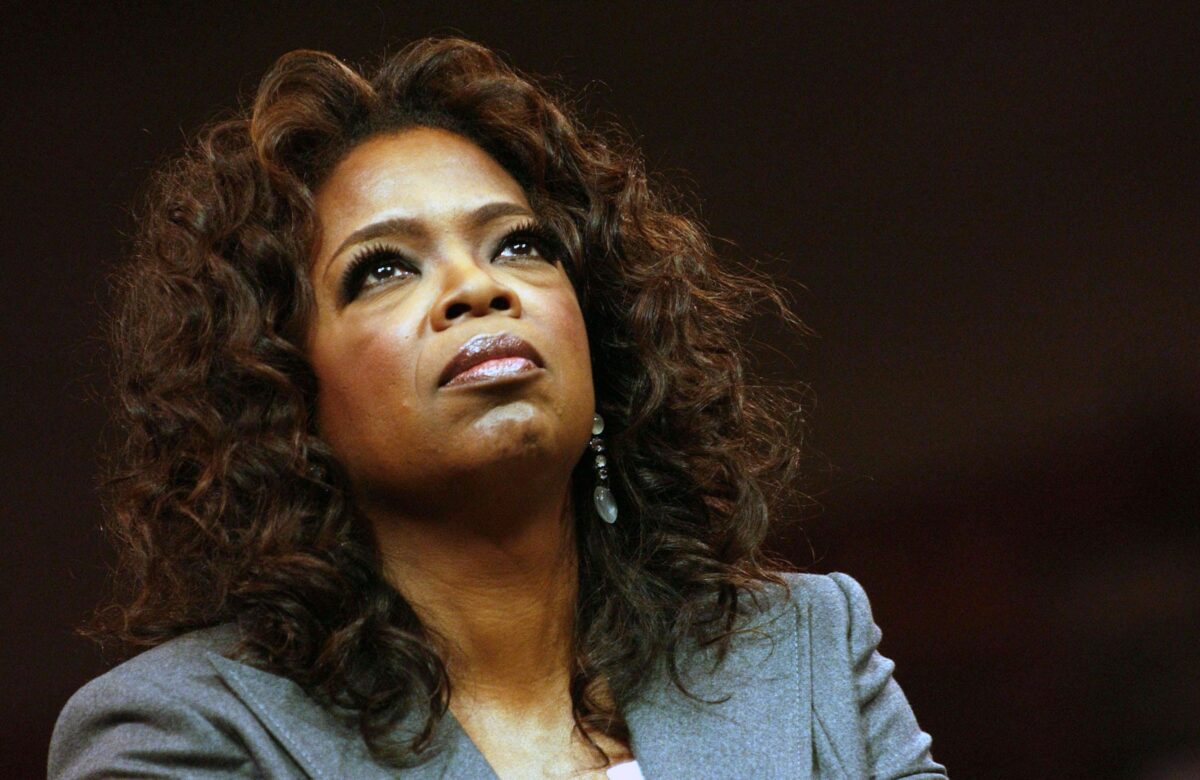
Oprah Winfrey sits higher than the music stars on the 2026 Forbes list, with an estimated net worth of $3.4 billion and a No. 16 ranking. Her story remains one of the strongest examples of self-made media wealth in American history. Long before creator ownership became a trendy business phrase, Oprah understood that the real money was not just in being on television. The real money was in owning the platform, the production pipeline, and the audience relationship.
Her rise from talk show host to media mogul was built through Harpo Productions, book clubs, film projects, magazine ventures, television ownership, real estate, and strategic investments. That kind of wealth grows differently from tour revenue or product launches. It compounds through decades of trust. Oprah became a household name because viewers believed her, and she turned that belief into one of the most valuable personal brands in media.
Oprah’s Fortune Shows Why Trust Is Still a Business Asset
Oprah’s billionaire status did not come from chasing every trend. It came from turning trust into a business model. Her audience followed her from daytime television into publishing, wellness, streaming, interviews, documentaries, and philanthropy. That kind of loyalty is rare because it requires consistency over decades. It also explains why her name still carries enormous commercial weight even after the traditional talk show era faded.
Her 2020 decision to sell most of her stake in OWN to what would become Warner Bros. Discovery also reflects the financial logic of her empire. Oprah did not just build media properties for visibility. She built assets that could be sold, exchanged, reinvested, and carried forward. That is the difference between being influential and being wealthy. Influence gets attention. Ownership creates optionality.
Taylor Swift Shows the New Value of Catalog Control

Paolo Villanueva from New York, USA, CC BY 2.0, via Wikimedia Commons
Taylor Swift ranks at No. 23 on the 2026 Forbes America’s Richest Self-Made Women list, with an estimated net worth of $2 billion. Her financial story is especially important because Forbes has framed much of her fortune around music itself, including touring, royalties, catalog value, and real estate. That sets her apart from stars whose billionaire status depends more heavily on beauty, fashion, or outside consumer products.
Swift’s wealth story is also tied to control. Her re-recording strategy turned a painful master’s dispute into one of the most important business moves in modern music. By reclaiming value through Taylor’s Version releases, she turned fans into participants in a broader ownership story. The result went beyond nostalgia. It became a public lesson in intellectual property, artist leverage, and long-term catalog economics.
The Eras Tour Turned Fandom Into an Economic Machine
The Eras Tour became one of the defining entertainment events of the decade because it treated a concert as more than a concert. It became a memory marketplace. Fans traveled, dressed up, traded friendship bracelets, bought merchandise, watched the concert film, and turned each show into a social media event. That kind of fan activity creates value far beyond the ticket price.
Swift’s rise to $2 billion also shows how much the music business has changed. In the past, record labels often captured the most powerful parts of an artist’s financial upside. Today, a superstar with leverage can turn touring, recordings, publishing, streaming, film rights, merchandise, and catalog ownership into one connected machine. Swift did that with rare precision, and the Forbes ranking reflects the scale of that machine.
Celebrity Billionaires Are No Longer Just Selling Fame
The common thread between Beyoncé, Rihanna, Oprah, and Taylor Swift is not celebrity. It is business architecture. Beyoncé built an entertainment and touring ecosystem. Rihanna built consumer brands. Oprah built a media empire. Taylor Swift built a music ownership and touring machine. Each woman used fame differently, but they all moved beyond the old celebrity model, in which money came mainly from salaries, royalties, or endorsements.
That shift matters because the celebrity economy has become more sophisticated. A famous name can still open doors, but it cannot carry a weak business forever. Consumers are sharper, markets are crowded, and fans can smell lazy cash grabs quickly. The women on this list succeeded because their business moves matched their public identities. Beyoncé sells excellence and world-building. Rihanna sells inclusion and cool authority. Oprah sells trust and transformation. Swift sells authorship, memory, and emotional loyalty.
The Self-Made Label Still Deserves a Serious Conversation
The phrase self-made often sparks debate, and it should. Not every wealthy person starts from the same place, faces the same barriers, or receives the same access to capital, networks, and institutional support. Forbes uses a self-developed scoring system to show differences among women who built fortunes through salaried leadership, entrepreneurship, public companies, entertainment empires, or more difficult starting points. That makes the ranking more layered than a simple billionaire list.
Still, the presence of Beyoncé, Rihanna, Oprah, and Taylor Swift highlights something important about women’s wealth in America. These fortunes were not inherited in the traditional sense. They were built through labor, risk, timing, reinvention, and control. We can debate the label while still recognizing the scale of the accomplishment. In industries that have often underpaid women, exploited artists, narrowed beauty standards, and undervalued female audiences, these women changed the math in their favor.
Why Black Women’s Billion-Dollar Visibility Matters Here
Beyoncé, Rihanna, and Oprah appearing in the same Forbes conversation carries cultural weight because Black women have historically faced deep barriers in entertainment, media, access to capital, retail ownership, and corporate leadership. Their presence on a wealth list does not erase those barriers. It makes the scale of their achievement harder to ignore.
Oprah turned daytime television into a media empire at a time when few Black women controlled major platforms. Rihanna turned a beauty industry blind spot into a billion-dollar brand advantage. Beyoncé turned music, performance, and cultural authorship into an empire that now commands a net worth in the billions. These are not identical stories, but they all show how Black women can create markets where old institutions failed to fully see them.
The Real Ranking Is About Ownership, Not Applause
The smartest way to read the 2026 Forbes list is to follow the ownership. Applause can be loud and temporary. Ownership is quieter, but it lasts longer. Beyoncé’s business power lies in her control over creative production and touring. Rihanna’s wealth sits in brand equity. Oprah’s fortune sits in media assets, real estate, and long-term dealmaking. Swift’s fortune sits in catalog value, touring revenue, and rights control.
This is why the list feels like a business lesson hiding inside a celebrity headline. The names attract clicks, but the wealth comes from structures. We should read these rankings as maps of control. Who owns the product? Who owns the audience relationship? Who owns the rights? Who owns the company? Who can sell, license, tour, expand, reinvest, and negotiate from strength? Those questions explain the billionaire club better than fame alone.
What the 2026 Forbes List Really Tells Us
The biggest takeaway from the 2026 Forbes America’s Richest Self-Made Women list is that celebrity wealth has entered a more mature era. The richest stars are no longer waiting for studios, labels, networks, or luxury brands to define their value. They are building systems that allow them to own more of the upside.
Beyoncé’s billionaire milestone shows the power of creative command. Rihanna’s fortune proves that cultural insight can become a consumer empire. Oprah’s ranking reminds us that trust can compound for decades. Taylor Swift’s $2 billion valuation shows how artist ownership can rewrite the economics of music. Together, they reveal a blunt truth about modern fame. The spotlight may create attention, but ownership creates wealth.
The three-comma club is no longer just a place for tech founders, hedge fund giants, and industrial heirs. It now includes women who turned songs, stories, beauty, identity, performance, and audience loyalty into serious economic power. That is why this list matters. It is not just about who is rich. It is about who learned to own the machine behind the applause.