Former Chiefs Player Linked to Buried Body Case in Dominican Republic
We are looking at a case that has moved far beyond a sports headline. What began as the disappearance of a young woman in the Dominican Republic has now become a homicide investigation tied to a former NFL defensive tackle, a sold property, years of unanswered questions, and a family that says it raised concerns long before remains were found.
The woman at the center of the case is Carli Franchesca Guzmán Roche, who was twenty-two when she vanished in September 2021.
Her remains were discovered in January 2026 during excavation work at a property in Puerto Plata, a resort area in the Dominican Republic.
That property had previously been owned by Michael Pennel Jr., a veteran NFL defensive lineman known to many football fans for his time with the Kansas City Chiefs.
Pennel has denied knowing Guzmán and has denied involvement in her death. According to ESPN, however, interviews with people close to Guzmán and police records reviewed by the outlet suggest that witnesses told authorities in 2021 that Pennel had a connection with her that deserved investigation.
Dominican officials have reopened the case, and prosecutors are treating it as a homicide, although no cause of death has been publicly released.
Michael Pennel Jr. and the Case Now Drawing International Attention
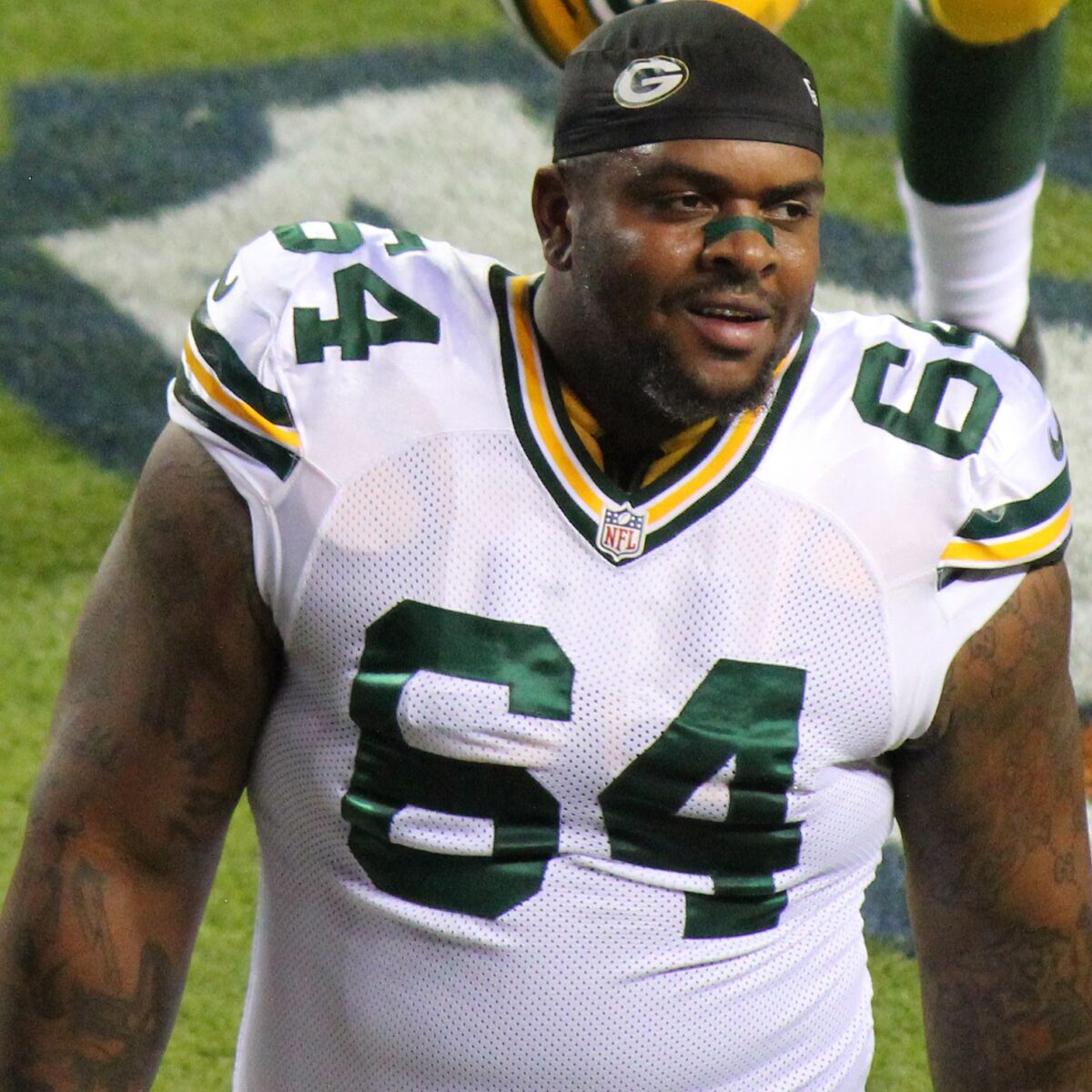
Michael Pennel Jr. is not a household name like a franchise quarterback, but he built a long NFL career as a defensive tackle.
He played for several teams, including the Green Bay Packers, New York Jets, Atlanta Falcons, Chicago Bears, Cincinnati Bengals, and Kansas City Chiefs. With Kansas City, he became part of a championship era and was linked to two Super Bowl-winning teams.
That football background is part of why the case has drawn such intense attention. We are not simply dealing with a local missing person investigation that quietly resurfaced.
We are dealing with a case that now crosses sports, international law, Dominican authorities, family testimony, property ownership, and public denials from a former NFL player.
The central issue is not Pennel’s football résumé. The central issue is what happened to Guzmán, why her remains were not found for more than four years, and whether investigators missed key opportunities when her family first sounded the alarm.
Who Was Carli Franchesca Guzmán Roche?
Carli Franchesca Guzmán Roche was a young Dominican woman whose disappearance left her family searching for answers for years.
She was reported missing in September 2021 after last being connected, according to family accounts reported by ESPN, to a trip involving an “athlete friend.”
Her family’s grief is one of the most important parts of the story. Behind the NFL name and the international headlines is a woman whose relatives spent years without a body, without a clear explanation, and without the certainty that often begins the long process of mourning.
The discovery of her remains in January 2026 did not close the case. It reopened it. For her family, the discovery appears to have confirmed the fear that something terrible had happened.
For investigators, it created a new and urgent question: how did a missing woman’s body end up buried on property once owned by a former NFL player?
The Puerto Plata Property Where the Body Was Found

The location matters. Guzmán’s remains were discovered on a property in Puerto Plata, a northern coastal region of the Dominican Republic known internationally for tourism, beaches, gated communities, and foreign-owned homes.
According to ESPN, Pennel owned property in the area until 2025. After the property was sold, the new owner reportedly discovered the remains during excavation work in January 2026. That discovery transformed a cold missing person case into a homicide investigation with international attention.
This detail is especially important because the body was not found while Pennel still owned the property. It was found after the property changed hands.
That fact does not prove guilt or innocence. It does, however, create a major investigative question about who had access to the property when Guzmán disappeared, who controlled the area, and what authorities did or did not search in 2021.
What ESPN Reported About Witnesses and Police Records
According to ESPN, witnesses and police records indicated that several people told investigators early in the search that Pennel had a relationship or connection with Guzmán worth examining.
ESPN reported that people close to Guzmán said she and Pennel frequently spent time together when he was in the Dominican Republic.
Pennel has strongly denied this. After ESPN published its report, he reportedly contacted a reporter and said he did not know Guzmán. He also said he was not in the country when she disappeared.
This contradiction is now one of the sharpest points in the case. On one side, Pennel says he did not know the woman and had no involvement. On the other side, ESPN’s reporting says witnesses and records pointed investigators toward a possible connection years earlier.
Pennel’s Denial and His Lawyer’s Response
Pennel has denied knowing Guzmán and denied involvement in her death. He has said he was not in the Dominican Republic when she disappeared. Earlier reporting also said Pennel described the allegations as false and damaging to his reputation.
His Dominican attorney, Ariel Durán, told ESPN that Pennel had nothing to do with Guzmán’s death and said documents would exonerate him. However, Durán also said he expected Pennel to be charged because the body was found on property Pennel owned at the time Guzmán went missing.
Durán did not specify which charge he expected, and he reportedly said he might not represent Pennel if charges are filed due to a money dispute between them.
That lawyer’s statement adds another unusual layer. It does not amount to an admission of guilt. It does suggest that the legal pressure around Pennel may increase as Dominican authorities continue their investigation.
Why the Timeline Matters So Much
The timeline is one of the most powerful parts of this case because it shows how long Guzmán’s family waited and how many points still need answers.
- September 2021: Carli Franchesca Guzmán Roche is reported missing in the Dominican Republic
- 2025: Pennel sells the Dominican Republic property
- January 2026: The new owner reportedly finds remains during excavation work
- March 2026: The remains are identified as Guzmán
- 2026: Dominican officials reopen the case and treat it as a homicide investigation
This timeline is why the case feels so unsettling. The body was not found days after the disappearance. It was not found within months. It was found years later, after the property had already changed ownership.
What “Person of Interest” Means in This Investigation
The phrase “person of interest” is often misunderstood. It does not mean someone has been charged. It does not mean someone has been found guilty. It usually means investigators believe a person may have information relevant to the case or may be connected to circumstances that need further examination.
In Pennel’s case, the phrase carries heavy public weight because of where the remains were found and because of the reported witness statements about his alleged connection to Guzmán. Still, the legal standard matters.
Until charges are filed and evidence is tested in court, Pennel remains entitled to the presumption of innocence.
That careful distinction protects the integrity of the case. It also protects the public from turning a homicide investigation into a trial by rumor.
Final Takeaway
We are left with a case that is both haunting and unfinished. A young woman disappeared in 2021. Her remains were found in 2026 on property once owned by a former Chiefs defensive tackle.
According to ESPN, witness accounts and police records have raised questions about whether Pennel knew her, despite his denial.
The story is not finished because the law has not finished speaking. No public cause of death has been released. No conviction has occurred. The presumption of innocence remains essential.
But one truth is already clear: Carli Franchesca Guzmán Roche was missing for years, and her family’s search for answers did not end when her body was found. In many ways, that discovery only marked the beginning of the next, most difficult chapter.