9 Religious Food Rules People Follow Without Understanding Why
Food has always carried more weight than hunger. Across cultures and religions, what people eat, avoid, bless, fast from, or prepare in a special way often reveals deeper truths about identity, obedience, purity, discipline, memory, and community. Yet many people follow religious food rules because they inherited them, grew up around them, or fear breaking tradition, even when they do not fully understand the reason behind them.
That does not make the rules meaningless. In many cases, these practices were shaped by history, scripture, survival, health concerns, spiritual symbolism, or the need to keep communities united. The problem begins when people follow the rule but lose the meaning. Then food becomes habit without understanding, restriction without reflection, and ritual without depth.
Avoiding Pork Without Knowing the Deeper Meaning

One of the most recognized religious food rules is the avoidance of pork in Judaism and Islam. Many people know the rule clearly, but fewer understand the layers behind it. Some view it as a health concern dating back to ancient times, since pigs can carry disease if poorly handled or undercooked.
Yet the rule is also about obedience, identity, and separation from surrounding cultures. For many Jews and Muslims, avoiding pork is not just about the animal itself. It becomes a daily reminder that faith shapes even private choices. A person may be alone at a table, but the rule keeps them connected to a larger spiritual discipline.
Eating Fish on Fridays Without Asking Why
Many Christians, especially Catholics, grew up with the idea that Friday is a day for fish instead of meat. Some people still treat it like a family habit, especially during Lent, without knowing the reason behind it. The practice is tied to sacrifice, remembrance, and self-denial.
Friday has long been associated with the crucifixion of Jesus, so abstaining from meat became a way to mark the day with seriousness. Fish became the alternative because it was not treated the same way as land animal meat in many traditional customs. Over time, the meaning got blurred, and for many families, it became more about fish fries than spiritual reflection.
Fasting During Ramadan Without Understanding the Discipline
Ramadan fasting is one of the most visible food practices in Islam. Many people understand the basic rule, no food or drink from dawn to sunset, but not everyone reflects on its deeper purpose. It is not simply about hunger or proving toughness.
The fast is meant to train the soul. It teaches patience, gratitude, restraint, compassion for the poor, and awareness of God. The daily hunger is supposed to sharpen spiritual focus, not create pride. When people reduce Ramadan to meal schedules and evening feasts, they may miss the quiet power of the practice.
Keeping Kosher Without Knowing the Symbolism
Kosher laws are often viewed from the outside as a complicated list of food restrictions. No pork, no shellfish, no mixing meat and dairy, and specific rules for slaughter and preparation. Some Jewish people follow these laws closely because of family tradition, even when they cannot explain all the details.
Kosher practice is deeply tied to holiness in everyday life. It turns the kitchen into a place of spiritual awareness. The separation of meat and dairy, for example, is often linked to interpretations of biblical commands. The point is not just to eat differently, but to live with intention. Every meal becomes a moment of awareness.
Avoiding Beef Without Understanding Sacred Respect
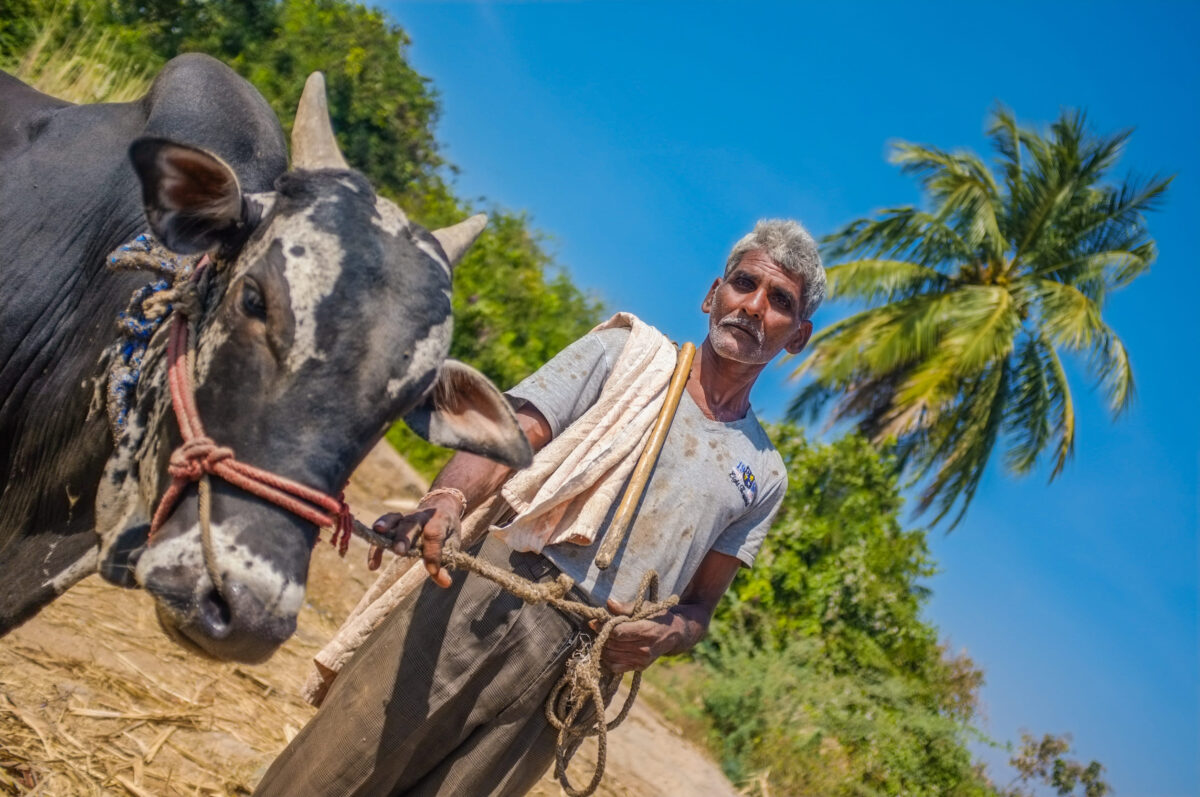
In Hindu communities, the avoidance of beef is widely known, though the practice varies among individuals and regions. Many people understand it only as a rule, but the cow carries deep cultural and religious meaning in Hindu life. It is associated with gentleness, nourishment, motherhood, and sacred giving.
The cow provides milk, dung for fuel, labor in agricultural societies, and a sense of life-supporting abundance. For many Hindus, refusing beef is not just a food choice. It is an expression of respect for life and gratitude for what sustains human communities. Without that context, outsiders may reduce the practice to a simple ban, while insiders may follow it without reflecting on its moral symbolism.
Eating Only Halal Without Knowing the Ethical Side
Halal food is often understood as food that Muslims are allowed to eat. Many people focus only on the label, especially when buying meat, but halal is broader than a certification sticker. It involves what is lawful, clean, ethical, and spiritually acceptable.
The treatment of animals, the method of slaughter, the avoidance of forbidden ingredients, and the intention behind consumption all matter. Halal is not supposed to be only a technical category. It is meant to connect eating with accountability. The rule asks people to think about where food comes from, how it was prepared, and whether it fits a life of obedience and care.
Refusing Certain Foods During Lent Without Reflection

Lent is a season of sacrifice in many Christian traditions. Some people give up meat, sweets, alcohol, social media, or favorite comfort foods. Yet the original purpose can get lost when the practice becomes a temporary lifestyle challenge instead of a spiritual exercise.
The point is not to suffer for show. It is to create space for prayer, repentance, humility, and renewed focus. Giving something up should reveal attachment. It should make a person ask why they reach for certain comforts so quickly. Without reflection, Lent can become just another self-improvement project, wearing religious clothing.
Eating Vegetarian Food for Spiritual Purity
Vegetarianism is found in various religious traditions, especially in Hinduism, Jainism, Buddhism, and some Christian communities. Many people follow it because their families do, but the deeper reasoning often connects to nonviolence, purity, compassion, and self-control.
In Jainism, especially, avoiding harm to living beings is central. Food choices are shaped by the desire to reduce violence as much as possible. In Buddhism, vegetarian practice may reflect compassion and detachment from craving. For Hindus who choose vegetarian diets, it may be connected to purity, ritual practice, and respect for life. The meaning is much richer than simply avoiding meat.
Blessing Food Without Thinking About Gratitude

Across many religions, people pray before eating. Christians say grace. Muslims say Bismillah before beginning a meal. Jews recite blessings before and after eating. Other traditions also include words of thanks, offering, or remembrance around food.
Yet this practice can become automatic. People may mumble the words quickly and start eating without thinking. At its best, blessing food reminds people that a meal is not just a personal achievement. Farmers, workers, animals, soil, rain, family, money, and divine provision all stand behind the plate. A short prayer can turn ordinary eating into a moment of gratitude.
Conclusion
Religious food rules are easy to misunderstand because food feels ordinary. People eat every day, so the sacred meaning can fade into routine. A person may avoid pork, skip meat on Friday, fast, bless a meal, or refuse beef without ever asking what the practice is supposed to teach.
The strongest religious food rules are not just about control. They are about memory, identity, discipline, gratitude, compassion, and obedience. They remind believers that faith is not limited to temples, churches, mosques, synagogues, scriptures, or prayers. It reaches the grocery store, the kitchen, the family table, and the private appetite.
When people understand the meaning behind these rules, the practice becomes more powerful. The plate becomes a classroom. The meal becomes a reminder. The rule becomes more than tradition. It becomes a living connection between belief and daily life.