JD Vance’s New Book Takes Washington by Surprise With a Deeply Personal Faith Story
Vice President J.D. Vance has spent much of his political career being analyzed through the lens of elections, policy fights, and Washington’s endless speculation about the future. But his latest book, Communion: Finding My Way Back to Faith, takes a very different route.
Instead of offering a political blueprint, the memoir explores something far more personal: Vance’s search for meaning, his journey back to Christianity, his conversion to Catholicism, his marriage to Usha Vance, and his thoughts about faith, family, and modern America.
The book has surprised some political observers because it does not read like the typical Washington memoir designed to build a public image. Writer Hugh Hewitt described it as a “biography spiritual” that focuses on life’s biggest questions rather than campaign slogans.
For readers expecting a political strategy book, Communion offers something else entirely: a look inside the personal struggles and beliefs that shaped one of America’s most prominent political figures.
A faith journey that began with doubt, not certainty
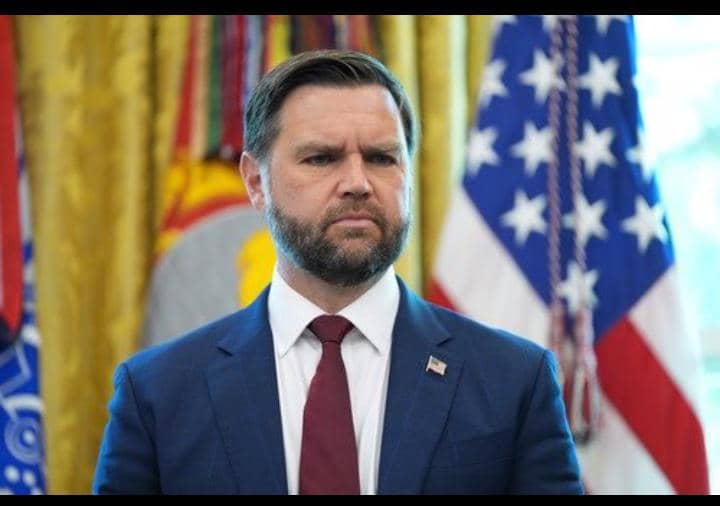
Vance’s story in Communion is built around a long and complicated relationship with religion. He was raised with Christian influences, later moved away from faith, experienced a period of atheism, and eventually returned to Christianity before entering the Catholic Church in 2019.
The vice president has said his return to faith was connected to a growing feeling that professional success alone was not enough.
“I was really worried about where I went to school and what kind of job I had and what kind of money that I made,” Vance said in an interview about the book. “But I felt like that wasn’t making me a good person, whereas the Christians in my life seem to have it figured out.”
That search for something deeper forms the backbone of the memoir. Rather than presenting faith as a sudden transformation, the book focuses on the slow process of questioning, learning, and changing.
One figure highlighted in the book is Father Henry Stephan, who played an important role in Vance’s path toward Catholicism. Hewitt noted that the priest’s explanation of grace was one of the book’s most memorable sections, emphasizing that spiritual growth often unfolds over time rather than through a single dramatic moment.
That idea gives Communion a different tone from many political books. The focus is less on winning arguments and more on understanding personal struggles.
The love story behind the political figure

Another major part of Communion is Vance’s relationship with his wife, Usha Vance. The memoir explores how their relationship developed and how their different backgrounds influenced their life together.
Before becoming a political spouse in the nation’s capital, Usha Vance built her own career as a lawyer after studying at Yale Law School. Her relationship with Vance became part of the broader story of how he changed direction in both his personal and professional life.
The book presents marriage and family as central parts of Vance’s worldview. It examines how his experiences as a husband and father shaped his ideas about responsibility, community, and what makes a meaningful life.
That focus on family connects with themes Vance has discussed publicly in recent years. Instead of portraying success only through career achievement, the memoir argues that relationships and faith play a major role in shaping a person’s identity.
The book also includes reflections that go beyond Vance’s personal story. He explores generational differences and questions whether some ideas held by older Americans about society and global affairs need to be reconsidered.
Those sections have drawn attention because they address topics that often spark debate within conservative circles, including America’s role in the world and the future direction of Western culture.
A political figure writing about faith in a divided America
Although Communion is not a policy book, politics naturally surrounds anything written by a sitting vice president. Some readers have viewed the memoir through the lens of future ambitions, including speculation about the 2028 presidential race.
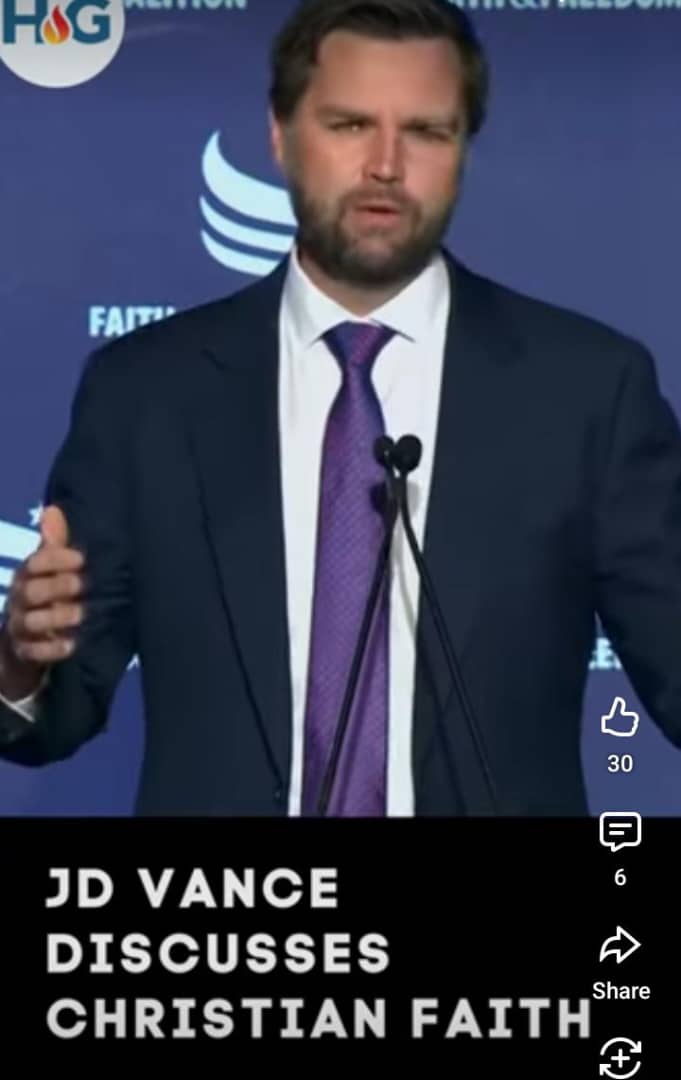
Vance, however, has framed the book as a personal account rather than a campaign message. He has described it as the story of how he found his way back to faith after losing it earlier in life.
The timing of the book has also made it unusual. Sitting vice presidents rarely release deeply personal memoirs during their time in office, making Vance’s project stand out.
The response has been mixed. Supporters have praised the honesty of the spiritual journey, while critics have questioned some of the ideas and messages presented in the book.
Still, the biggest surprise may be what the book is not. It is not a collection of campaign promises. It is not a list of political victories. It is not a traditional Washington memoir filled with behind-the-scenes battles.
Instead, Communion is a personal reflection from one of the country’s most recognizable political figures about questions many people wrestle with: What gives life meaning? How do people change? And where do faith, family, and personal values fit in a modern world?
For a vice president known for sharp political debates, Vance’s latest book offers a quieter side of his story. Whether readers agree with his conclusions or not, the memoir shows a politician stepping away from the Washington spotlight and focusing on the personal experiences that shaped him.