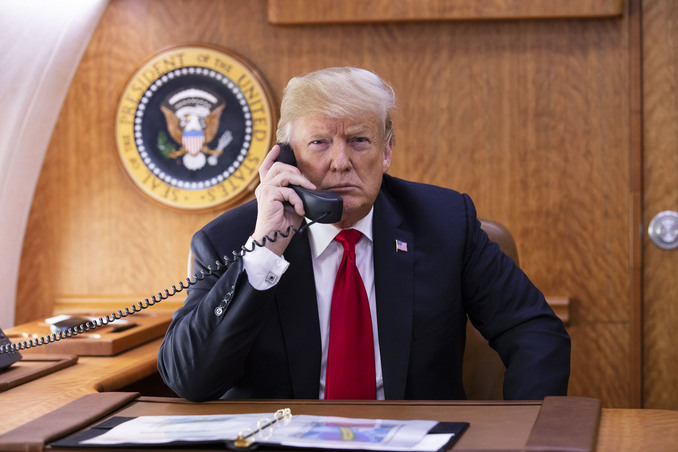
Trump Battles BBC Over Access to Financial Records From Hundreds of Business Entities as Legal Fight Expands
President Donald Trump is fighting to prevent the BBC from accessing confidential financial records connected to his business empire, arguing that the broadcaster’s request goes far beyond the original dispute and could expose sensitive information that cannot be recovered once released. The emergency court filing has transformed a dispute over a controversial documentary into a larger battle over financial privacy, legal discovery, and the limits of information access in high-profile lawsuits.
The BBC argues that the records are relevant to defending itself against Trump’s claims after he accused the broadcaster of damaging his reputation and business interests. Trump’s legal team, however, says the subpoena reaches into hundreds of business entities and demands years of private financial information unrelated to the core allegations.
The case now sits at the intersection of media accountability, courtroom evidence rules, and the unusual challenges of examining the finances of one of the world’s most recognizable business figures.
Trump’s Emergency Motion Centers on a Fight Over Financial Privacy
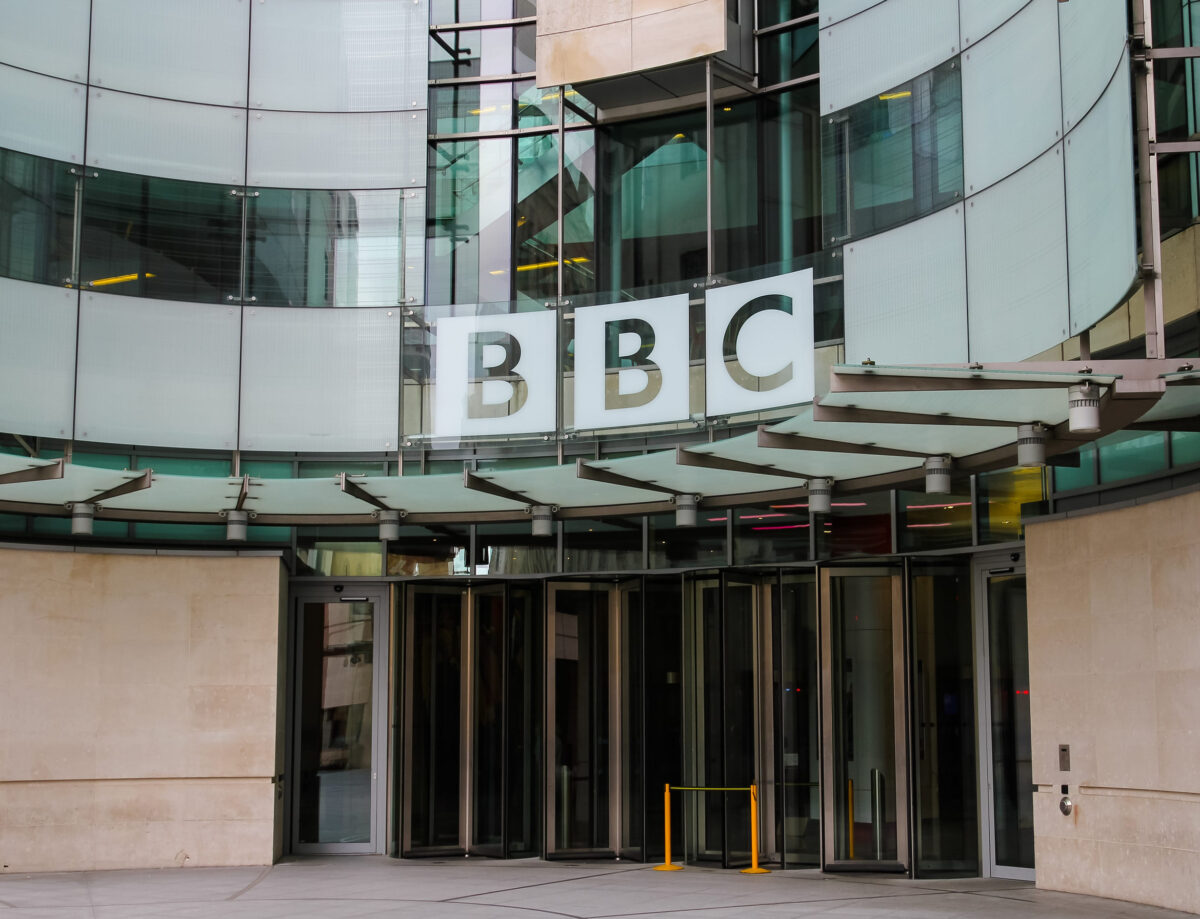
macfromlondon / 123rf
Trump’s legal team has asked a court to immediately block the BBC from obtaining financial records tied to the Donald J. Trump Revocable Trust. The emergency motion argues that once private financial information is handed over, any later court decision would not be able to fully undo the damage caused by disclosure. Attorney Alejandro Brito argued that the BBC’s subpoena is excessively broad because it seeks confidential tax, ownership, and financial documents involving roughly 400 entities connected to Trump’s business interests.
The filing claims that the request would provide the broadcaster with a sweeping look into Trump’s financial network rather than focusing narrowly on the issues at the center of the lawsuit. The argument reflects a larger legal question that appears frequently in major civil cases: how much information should one side be allowed to obtain during discovery? While courts encourage broad evidence sharing, judges can limit requests when they believe they are overly intrusive, burdensome, or unrelated to the dispute.
Trump’s lawyers say the BBC has not shown why it needs immediate access to such a wide range of documents. They argue that a temporary delay would not harm the broadcaster because the discovery process is still ongoing and there is time for the court to review objections.
Why Hundreds of Trump Business Entities Are at the Center of the Dispute
The size of Trump’s business network is a major reason this legal battle has become more complicated than a typical document request. The Trump Organization has historically operated through numerous companies, partnerships, and entities connected to real estate, licensing, hospitality, and other ventures. For most legal disputes, financial discovery may involve a limited number of records.
In this case, Trump’s attorneys argue that a request involving hundreds of entities could expose a much broader picture of his business operations, including information they believe has little connection to the BBC dispute. The BBC’s position is that financial records may be important to understanding Trump’s claims of financial harm.
In lawsuits involving alleged reputational damage, financial losses can become a significant issue because plaintiffs often must show how the alleged conduct affected them. The disagreement is therefore not only about whether records should be produced, but also about how much financial information is reasonable to request. The court must determine whether the BBC’s subpoena is a legitimate attempt to gather evidence or an overly expansive demand.
The Legal Battle Began With a Controversy Over BBC Documentary Editing
The dispute traces back to the BBC documentary “Trump: A Second Chance?” which Trump accused of misleading viewers through its editing of his remarks. His legal team argued that the program combined separate portions of a speech in a way that created a false impression about his comments before the January 6 Capitol attack. The BBC later apologized for the editing issue but rejected Trump’s demands for financial compensation.
The broadcaster has argued that Trump’s legal claims should face significant challenges, including questions about whether U.S. courts have jurisdiction over the British organization. The documentary controversy eventually moved from a media dispute into a courtroom battle involving evidence requests. Once the lawsuit progressed, the question became what information each side could access during the discovery process.
The financial records fight represents a new phase of the dispute. What began as an argument over journalism and editing has now become a battle over private documents, legal strategy, and the boundaries of courtroom evidence.
Discovery Rules Put Transparency Against Confidentiality
The heart of the dispute involves one of the most important parts of civil litigation: discovery. Discovery allows both sides in a lawsuit to collect evidence, question witnesses, and request documents that may help prove their claims or defenses. However, discovery does not give unlimited access to every piece of information a party wants.
Courts often consider whether requests are relevant, proportional, and necessary before allowing sensitive documents to be released. Financial records receive particular attention because they can reveal personal and business information beyond the immediate dispute.
Judges frequently weigh the need for evidence against the potential harm caused by unnecessary disclosure. Trump’s legal team argues that the BBC’s request crosses that line. The broadcaster argues that the documents are important for defending against Trump’s claims and should be available through the normal legal process.
Trump Says Disclosure Could Create Harm That Cannot Be Reversed.
One of Trump’s strongest arguments is that financial disclosure is different from many other types of evidence because the damage may happen immediately. Once sensitive records are reviewed by another party, privacy cannot be fully restored even if a court later decides the request was too broad.
The emergency motion argues that the BBC does not face the same level of risk because delaying access would only temporarily slow the discovery process. Trump’s lawyers say protecting confidential information should come first while the court examines the scope of the subpoena.
This argument highlights why emergency motions are sometimes filed in legal disputes involving private information. The goal is often to prevent irreversible consequences while a judge considers whether the requested disclosure is justified. The court must now balance two competing interests: the BBC’s right to defend itself and Trump’s claim that his private financial records deserve stronger protection.
BBC Defends Its Right to Review Records Connected to the Lawsuit

The BBC has maintained that its request for financial documents is connected to the legal claims involved in the case. The broadcaster argues that access to relevant records could help it challenge allegations that the documentary caused financial harm. The organization has also pushed back against Trump’s efforts to seek damages from the broadcaster.
While the BBC acknowledged concerns about the documentary’s editing, it has argued that the legal consequences sought by Trump go beyond what is justified. The broadcaster’s position relies on the principle that parties involved in lawsuits should have access to evidence necessary to prepare their cases.
Without access to relevant documents, defendants can argue that they are unable to fully respond to claims against them. The dispute now depends on whether the court agrees that the requested records are essential evidence or whether the subpoena demands too much private information.
The Case Raises Broader Questions About Media, Power, and Accountability
The Trump-BBC dispute extends beyond the individuals involved. It raises broader questions about how powerful public figures and major media organizations interact when legal conflicts arise. Public figures often face greater scrutiny because their actions and businesses receive significant attention. At the same time, courts must still protect legitimate privacy interests and prevent legal discovery from becoming unnecessarily invasive.
The case also highlights the challenges of modern defamation disputes. When reputational claims involve wealthy individuals or major organizations, proving financial impact can require examining complex business information. The outcome could influence future legal battles involving media companies, public figures, and financial disclosure requests.
A Global Media Organization and a Former President Face Off in Court
The involvement of the BBC adds another layer to the dispute because it is one of the world’s largest international broadcasters. The case raises questions about how U.S. courts handle lawsuits involving foreign media organizations and whether international companies can be compelled to provide certain information.
The BBC has argued that Trump’s claims face jurisdictional challenges, while Trump’s legal team continues pursuing the case in U.S. courts. The disagreement reflects the complicated legal issues that arise when national courts become involved with global organizations.
International media disputes often involve competing legal systems, different standards, and questions about where accountability should be determined. The Trump-BBC case could become a significant example of how courts handle conflicts involving powerful individuals and multinational media companies.
What Happens Next in the Trump-BBC Financial Records Fight
The immediate issue is whether Trump’s emergency motion will succeed in delaying or blocking the BBC’s access to financial records. A ruling could determine whether the broadcaster begins reviewing documents connected to Trump’s trust and related entities.
If the court allows the subpoena to move forward, the BBC could gain access to financial information that Trump’s attorneys argue should remain protected. If the court sides with Trump, the subpoena could be narrowed, delayed, or subjected to additional restrictions.
The case remains unresolved, but the stakes are significant. The outcome will determine not only what information the BBC can access but also how courts balance privacy and discovery when lawsuits involve powerful figures with complex financial networks.