8 fruits with more potassium than a banana
Bananas have earned a permanent spot as America’s go-to “potassium fruit,” but they are not the whole story. A medium banana contains about 422 milligrams of potassium, which is useful, but several fruits can beat that number in regular serving sizes.
Adults need far more potassium across the day, with recommended adequate intakes set at 3,400 mg for men and 2,600 mg for women ages 19 and older.
Potassium matters because it helps support normal cell function, fluid balance, nerve signaling, and muscle contraction. It also works closely with sodium, which is why potassium-rich foods often come up in heart-health conversations.
The American Heart Association notes that otherwise healthy adults with elevated or high blood pressure may benefit from increasing potassium intake through diet, though people with kidney disease or certain medications should consult a clinician first.
Passion fruit
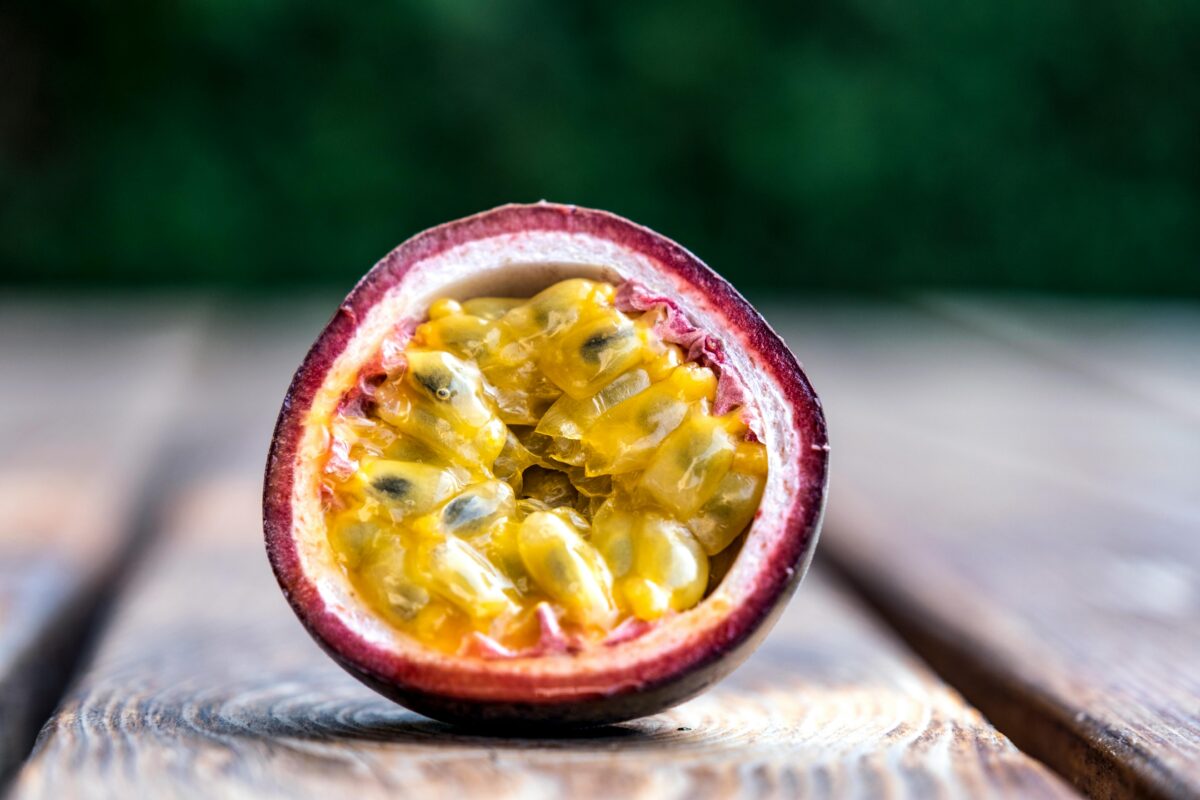
Passion fruit packs a surprising potassium punch looks small, but a cup of the pulp delivers about 821.3 mg of potassium, nearly double the amount in a medium banana. It also brings a strong fiber advantage, with 24.5 grams of dietary fiber per cup, making it a far more filling fruit than its size suggests.
The easiest way to use passion fruit is to treat it like a sharp, tropical flavor booster. Spoon the pulp over Greek yogurt, stir it into smoothies, or use it as a topping for oatmeal when you want a tart break from the usual berries.
The catch is serving size: one cup of passion fruit pulp requires more than one fruit, so this is best viewed as a powerful add-in rather than a casual one-fruit snack.
Dried apricots
Dried apricots, which beat bananas in a small serving, are among the most efficient sources of potassium, with 755 mg in just ½ cup. That serving also beats a banana by more than 300 mg, which explains why dried apricots often appear on lists of potassium-rich foods.
The dried form matters because removing water concentrates the nutrients, the sweetness, and the calories. That makes dried apricots useful, but portion control still counts. We can chop them into oatmeal, pair them with walnuts, or add a few pieces to plain yogurt, until the serving quietly doubles.
Jackfruit
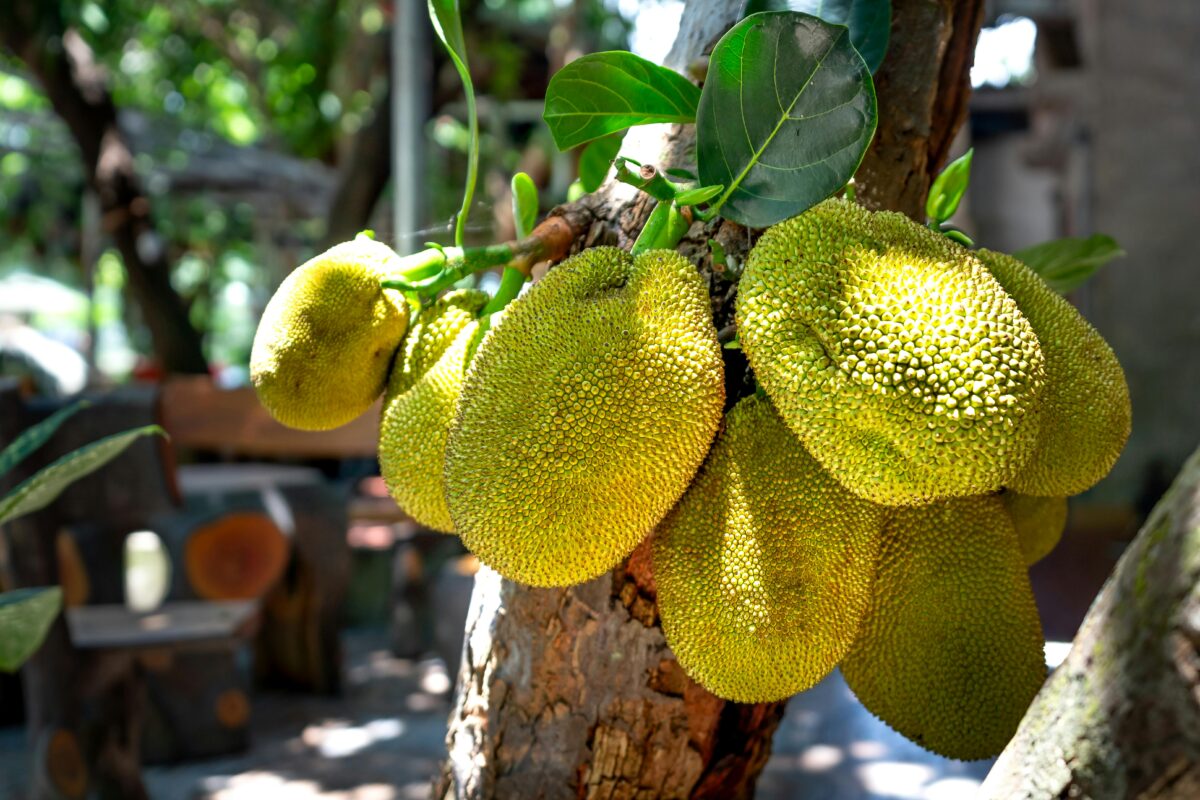
Jackfruit is a tropical heavyweight often discussed as a meat substitute, but nutritionally, it still belongs in the fruit category. One cup of sliced raw jackfruit provides about 739.2 mg of potassium, along with vitamin C and a modest amount of fiber.
Its texture makes it more versatile than most sweet fruits. Ripe jackfruit tastes tropical and works in smoothies, fruit bowls, and desserts, while young jackfruit is often cooked in savory dishes.
For potassium, the fruit gives us a bigger mineral return than a banana, but it is also higher in natural sugars per cup, so it works best as part of a balanced plate.
Avocado
Avocado is the creamy fruit that quietly wins; it may not taste sweet, but botanically and nutritionally, it earns its place here. One raw avocado contains about 727.5 mg of potassium, plus 10.1 grams of fiber and mostly unsaturated fat.
That combination makes avocado different from most potassium-rich fruits. A banana gives quick carbohydrates, while avocado gives a slower, creamier, more filling option that works in toast, salads, grain bowls, eggs, tacos, and smoothies. For readers watching calories, half an avocado can still contribute meaningful potassium without turning a snack into a full meal.
Plantains
Plantains, which have more potassium than their sweeter cousin, are close relatives of bananas, so this one feels like the banana’s tougher older sibling walking into the room. One cup of sliced raw yellow plantain contains about 720.8 mg of potassium, putting it far ahead of a medium banana.
The big difference is how we eat them: bananas are usually eaten raw, while plantains are commonly baked, boiled, roasted, or fried. For a more heart-friendly approach, baked or air-fried plantain slices usually make more sense than deep-fried versions, especially when the goal is getting potassium without piling on extra oil.
Guava
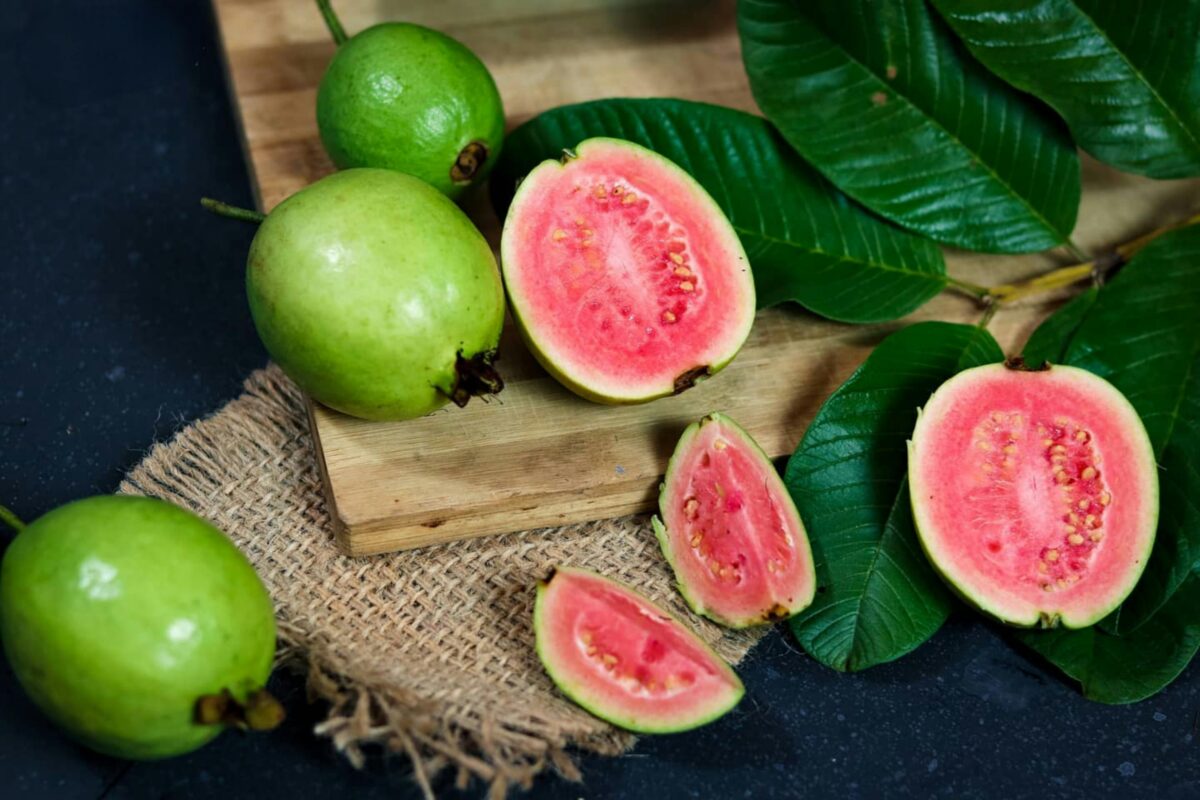
Guava, which provides potassium with a huge vitamin C bonus, is one of the most underrated fruits in the produce aisle. One cup provides about 688.1 mg of potassium and delivers a massive 376.7 mg of vitamin C in the same serving.
That makes guava a strong choice for readers who want more than a single-nutrient fruit. It is sweet, fragrant, slightly floral, and easy to eat fresh when ripe. We can slice it into fruit salad, blend it into smoothies, or eat it with a squeeze of lime for a snack that feels brighter than another predictable banana.
Prunes
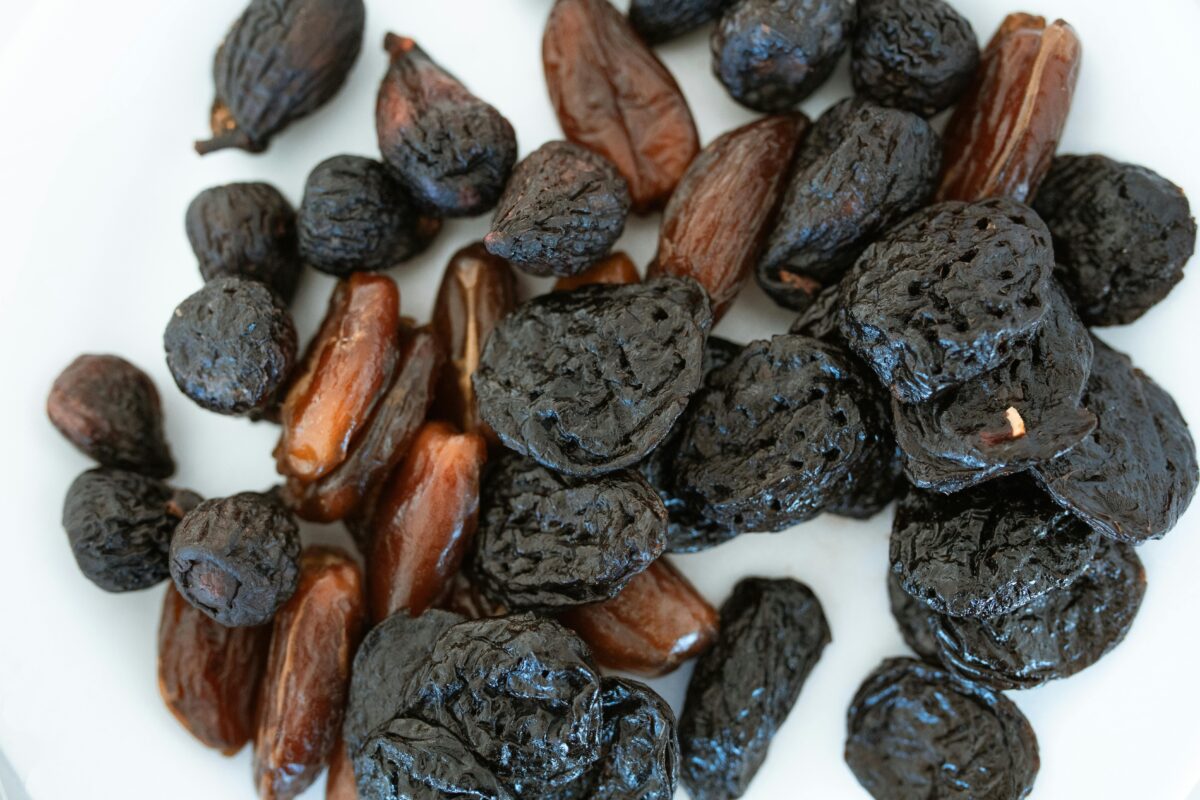
Prunes are not glamorous, but they are powerful. They rarely win beauty contests, yet their nutrition profile deserves respect. A ½-cup serving of dried prunes contains about 635 mg of potassium, which is well above a medium banana.
They also have a reputation for supporting digestion because they contain fiber and naturally occurring sugar alcohols. That does not mean everyone should eat a huge bowl of them. A smaller serving works better for most people, especially in oatmeal, trail mix, baked chicken dishes, or a simple snack plate with nuts.
Kiwifruit
Kiwifruit is small, sharp, and stronger than people think. It does not look like a potassium leader at first glance, but one cup of sliced green kiwi contains about 561.6 mg of potassium. That same serving also provides 166.9 mg of vitamin C and 5.4 grams of fiber.
Kiwi works well because it can be easily added without changing the whole meal. We can slice it into yogurt, mix it with berries, blend it into a green smoothie, or eat it chilled with a spoon. It adds a tart flavor that cuts through sweeter fruits, making it especially useful when a fruit bowl tastes too sugary.
How to eat more potassium without overdoing it
The smartest approach is variety. A banana can still be a good snack, but we do better when we rotate potassium sources across breakfast, lunch, dinner, and snacks.
Fruit can help, yet vegetables, beans, lentils, potatoes, yogurt, fish, and other foods also contribute to daily potassium intake.
Serving size matters too. The National Kidney Foundation classifies foods with 200 mg or more potassium per serving as high-potassium foods, and it warns that portion size can turn even a lower-potassium food into a high-potassium choice.
That matters most for people with chronic kidney disease, impaired potassium handling, or medications that affect potassium levels.
The smart takeaway
Bananas deserve their reputation, but they should not own the entire potassium conversation. Passion fruit, dried apricots, jackfruit, avocado, plantains, guava, prunes, and kiwifruit all provide more potassium per serving than a medium banana, and each adds a different flavor, texture, and nutrient profile.
For healthy adults, these fruits can make meals more interesting and more mineral-rich. For anyone with kidney disease, high potassium levels, or blood pressure medications that affect potassium levels, the safer move is to consult a healthcare professional before loading up on high-potassium foods.