Ted Cruz Targets Zohran Mamdani and Democratic Socialists, Warning of a Fight Over America’s Political Future
The battle over the future direction of American politics took another sharp turn after Sen. Ted Cruz launched a forceful attack against Zohran Mamdani and the Democratic Socialists of America, accusing them of embracing ideas he described as dangerously close to communism.
Cruz’s criticism was not only political but deeply personal. The Texas senator has often spoken about his family’s history in Cuba and how his father, Rafael Cruz, fled the country after the rise of Fidel Castro’s communist government. For Cruz, the discussion around socialism and communism is tied to memories of a system he says destroyed freedoms and forced families like his own to leave their homes.
During his remarks, Cruz argued that political violence should not be viewed as an accidental part of certain ideological movements but as something connected to their underlying beliefs. He warned that Americans should pay close attention to the ideas gaining influence in major cities, especially among younger voters who are increasingly interested in socialist policies.
Mamdani, a New York state assembly member, has become one of the most recognizable democratic socialist figures in the country. His supporters describe him as a politician focused on issues affecting working families, including affordable housing, public transportation, and economic inequality.
However, his critics argue that his political movement represents a much larger ideological shift that raises questions about government power, capitalism, and the role of private enterprise in American life.
A Personal Warning Rooted in Cuba’s History
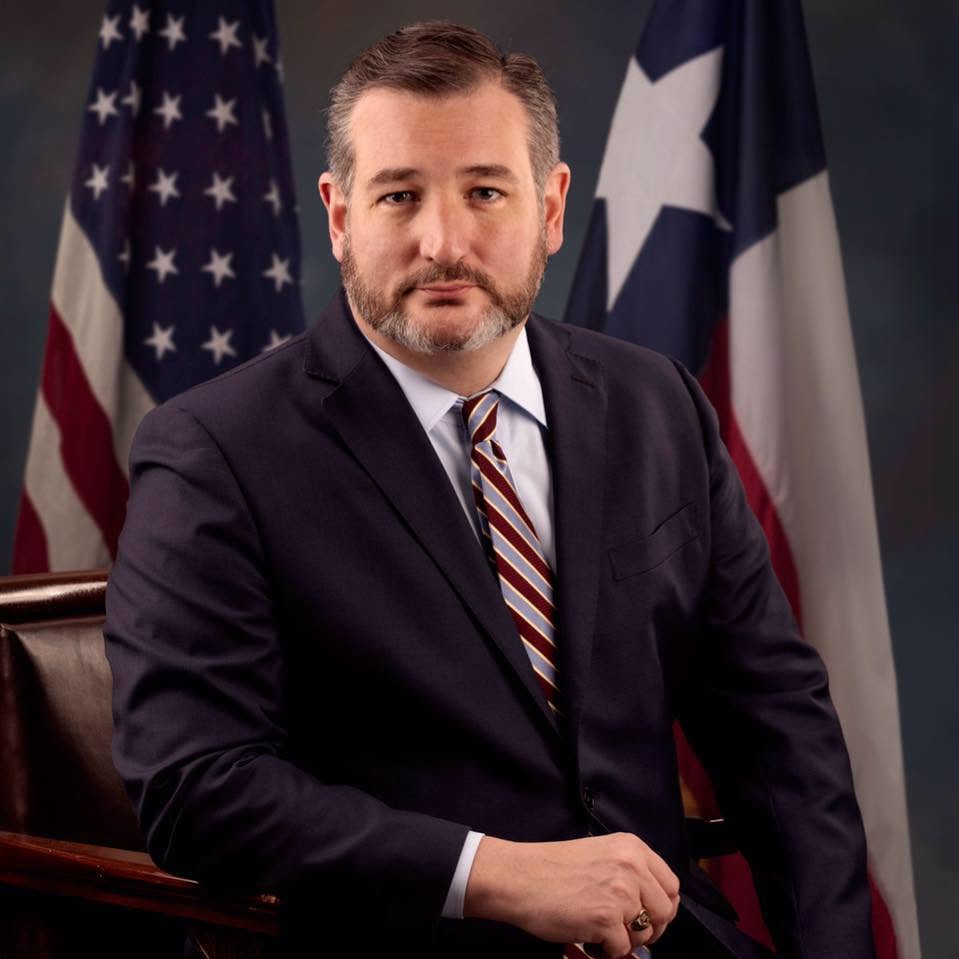
For Cruz, the debate over socialism is not simply an academic disagreement. His family’s experience in Cuba has shaped much of his political identity. He has repeatedly pointed to the Cuban revolution as an example of what can happen when authoritarian systems replace democratic institutions.
The Cuban government under Castro nationalized industries, restricted political opposition, and created a one-party state that remains in power decades later. Millions of Cubans left the island after the revolution, including many who opposed the new communist government.
Cruz has used that history to argue that Americans should be cautious about political movements that challenge traditional economic systems. He says that even when movements begin with promises of fairness and equality, they can eventually lead to limits on individual freedom.
Supporters of democratic socialism reject comparisons between their movement and authoritarian communist governments. They argue that democratic socialism operates within elections and democratic institutions, unlike the one-party systems that existed in places such as the Soviet Union and Cuba.
The disagreement reflects a larger national argument over whether modern democratic socialist ideas are a legitimate response to economic problems or a dangerous step toward government control.
Mamdani’s Rise Shows the Growing Appeal of Democratic Socialism

Zohran Mamdani has gained attention because of his ability to connect with voters who feel left behind by rising costs and economic pressure. His platform has focused heavily on housing affordability, transportation access, and expanding public services.
Supporters say his approach addresses problems many Americans experience every day. Rising rent prices, expensive childcare, and concerns about wages have pushed some voters toward candidates who promise stronger government involvement in the economy.
Democratic socialist politicians generally argue that capitalism can exist alongside expanded public programs. They often point to policies such as affordable housing initiatives, universal healthcare proposals, and stronger labor protections as examples of how government can reduce inequality.
Critics, however, worry that some proposals could weaken free-market competition and increase government influence over personal and economic decisions. They argue that history shows concentrated government power can become dangerous if institutions fail to provide proper checks and balances.
The debate surrounding Mamdani reflects a broader political trend. Across the United States, younger generations have shown more openness to socialist ideas than previous generations, especially during periods of economic uncertainty.
The Bigger Fight Over America’s Political Direction
The clash between Cruz and Mamdani represents more than a disagreement between two politicians. It highlights a deeper debate about what role government should play in American society.
For conservatives like Cruz, the lessons of 20th-century communist governments remain a warning. They argue that economic freedom and individual liberty are closely connected, and they fear that socialist policies could eventually threaten those principles.
For democratic socialists, the argument is different. They say the current economic system has left too many people struggling with housing costs, healthcare expenses, and financial insecurity. They argue that stronger public programs are necessary to create a fairer society.
The word “socialism” itself remains highly controversial in American politics. To some voters, it represents government programs designed to help ordinary people. To others, it brings memories of authoritarian governments that restricted freedoms and damaged economies.
Cruz’s warning about Mamdani and the Democratic Socialists of America is therefore part of a much larger political battle over language, history, and America’s future. Whether voters view democratic socialism as a practical solution or a dangerous ideological shift will likely remain one of the defining debates of the coming years.