7 Takeout Foods That Can Lose Their Appeal During Delivery
Ordering takeout is an easy way to enjoy a favorite meal without cooking or leaving home. But sometimes, the food that sounds irresistible on the menu arrives looking a little different from what you imagined. A crispy coating may turn soft, a bun may lose its structure, or a pile of toppings may change the texture of an otherwise satisfying dish.
That does not mean delivery is a bad choice. Some foods simply depend more on crispness, careful assembly, or keeping certain ingredients apart. When those details change during the journey from restaurant to doorstep, the eating experience can change, too.
French Fries
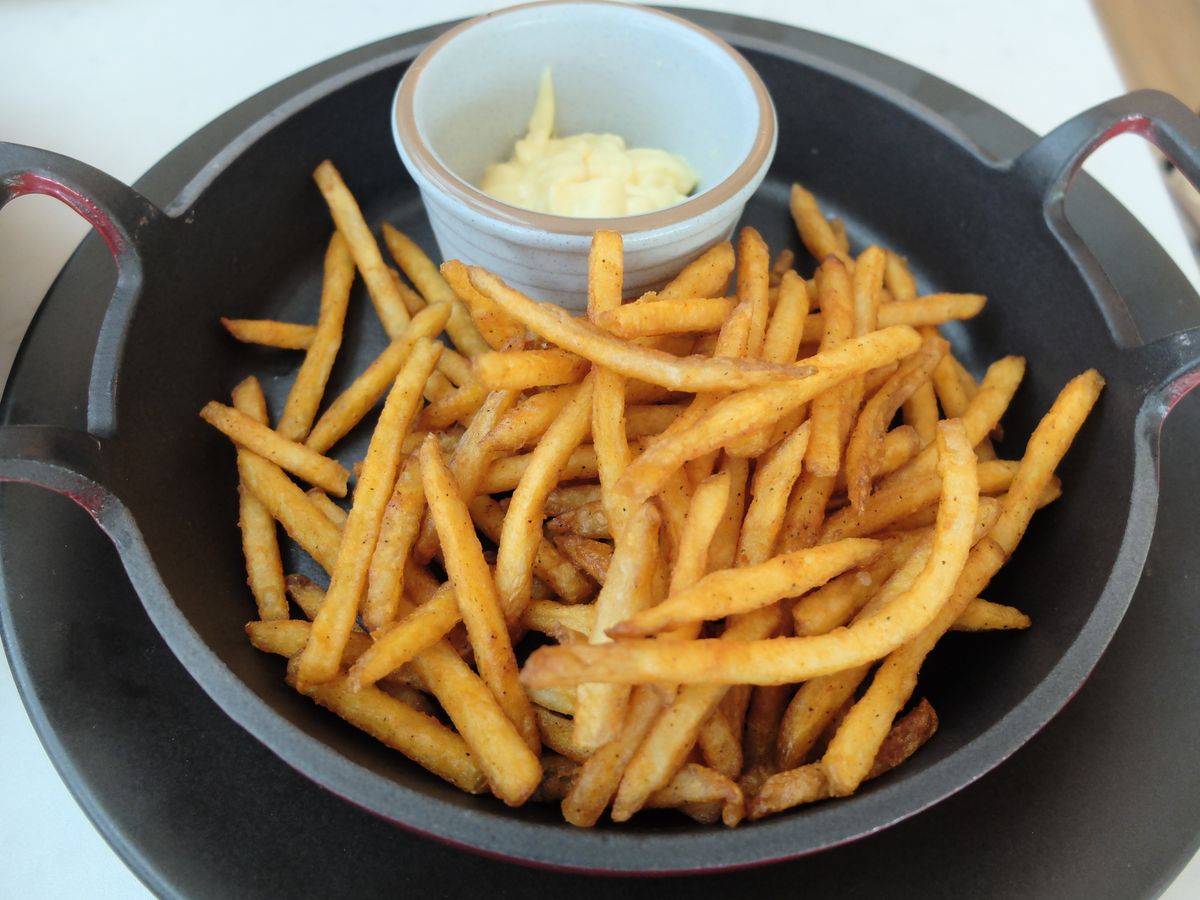
Few sides are as tempting as a serving of golden French fries with a crisp outside and a soft center. That contrast is part of their appeal, whether they accompany a burger or serve as a snack on their own. Unfortunately, fries can lose some of that crunch while sitting inside a closed takeout container.
Moisture released by freshly cooked fries can collect inside their packaging, softening the exterior that makes them enjoyable. Sauces and other toppings can add even more moisture, especially when fries arrive fully loaded. Packaging with suitable ventilation and keeping wet toppings separate can help preserve their texture, but the results depend on how the fries are prepared and packed.
Fries can still be a worthwhile delivery order, particularly if you enjoy them even when they are less crisp. However, if that first crunchy bite is your favorite part, eating them soon after preparation may be more satisfying.
Fried Chicken
Fried chicken is all about the contrast between its flavorful coating and the tender meat underneath. A well-fried piece has a crust that provides a noticeable crunch, making texture an important part of the experience. During delivery, however, that coating can soften even when the chicken has been prepared properly.
One reason is that steam continues to move outward from the cooked chicken beneath its crust. When that moisture meets the coating inside enclosed packaging, it can affect the crisp surface. A container that allows airflow may help, while keeping the chicken separate from gravy, coleslaw, and other moist accompaniments can reduce additional exposure.
This does not mean fried chicken cannot make a satisfying takeout meal. The coating may simply have a different texture by the time you open the container. If crunch matters most, the packaging and the way the chicken is arranged can make a difference.
Loaded Nachos
Loaded nachos offer plenty of variety in every bite, from crunchy tortilla chips to melted cheese and flavorful toppings. The challenge is that some of those ingredients release moisture, and the chips can lose their crispness when they remain in contact with wet toppings. The more fully assembled the nachos are, the more their texture may change during the trip home.
Salsa, sour cream, and guacamole are delicious additions, but spreading them across the chips before delivery can leave less room for a satisfying crunch. Keeping these toppings in separate containers gives diners more control over how much they add and when they add it. A lighter distribution of toppings can also help prevent the chips underneath from becoming soft too quickly.
For nachos, the best delivery arrangement may be one that lets you finish assembling the dish yourself. You still get the combination of flavors, but you can add the wetter ingredients just before eating. That small difference can make the meal more enjoyable for anyone who prefers crunchy chips.
Related: 10 Foods You Might Be Surprised Are Banned or Restricted in the United States
Burgers
A burger can look perfect when it is assembled, with a toasted bun, juicy patty, fresh produce, and a generous spread of sauce. Yet its structure depends partly on the bread holding everything together. As moisture from the meat, sauces, and vegetables reaches the bun, the bread can become damp and less supportive.
Enclosed packaging can add another complication because steam may collect around the assembled burger. When the bun softens, picking up the burger can become messier, and the ingredients may shift more easily between bites. Toasting, bun structure, ingredient placement, sauce quantity, and packaging can all influence how well the finished burger holds up.
That does not make burgers a poor choice for delivery. Many can still be enjoyable after the trip, but heavily sauced versions may be more vulnerable to a soft bun. If you prefer a burger that stays firm enough to hold comfortably, the amount of sauce and moisture in the assembled sandwich is worth considering.
Pizza Ordered for a Crisp Crust
Pizza remains a popular takeout favorite, but diners who specifically want a crisp crust may notice a difference between eating it fresh from the oven and opening the box at home. The underside and edges can lose some of their crisp texture as moisture builds up inside the packaging. The result may still taste good, but the crust might not have the texture you expected.
Steam inside a closed pizza box can condense and soften the crust. Moisture from the sauce and toppings can also affect the finished texture, while baking and packaging influence how the pizza travels. Balancing heat retention with airflow is one of the challenges involved in preserving a crisp crust during delivery.
Pizza itself is not the problem, and a softer crust is not necessarily disappointing to everyone. The distinction matters most for people who order specifically for a firm, crisp bite. If that texture is central to your favorite pizza experience, the delivered version may feel different from the one you had in mind.
Crispy Hard-Shell Tacos
Hard-shell tacos offer a distinctive crunch that soft tortillas cannot provide. The shell gives each bite its structure, complementing fillings such as seasoned ground beef and other familiar toppings. But once the taco is assembled, the shell remains in contact with moist ingredients throughout delivery, which can gradually change its texture.
Unlike nachos, where individual chips come into contact with toppings, a filled hard-shell taco has to support its entire portion of filling while maintaining its shape. Moisture from the ingredients can soften the shell and make that familiar snap less noticeable. Even if the filling remains appealing, the taco may become more difficult to handle as the shell loses its crispness.
A build-your-own arrangement can help preserve the experience. Separately packed shells and fillings allow you to assemble the tacos when you are ready to eat. That way, you decide how much filling goes into each shell and avoid leaving the ingredients together longer than necessary before serving.
Related: 12 Things to Know Before Wrapping Food in Aluminum Foil for Cooking
Tempura
Tempura is prized for its light, delicate coating, which provides a crisp exterior without overwhelming the ingredient underneath. Whether made with vegetables or other ingredients, its appeal depends heavily on the texture of the freshly fried batter. That makes tempura a particularly texture-sensitive choice when ordering takeout.
After frying, proper draining helps excess oil escape rather than leaving the coating sticky. Once packed for delivery, however, moisture can affect the delicate exterior, especially when the container does not allow enough airflow. The coating may become softer, changing the contrast between the crisp batter and the ingredient inside.
Tempura can still be worth ordering if you enjoy it beyond its initial crunch. However, diners who particularly value its delicate, freshly fried texture may find it more appealing when served promptly. The way it is drained and packaged matters, and there is no single delivery time that guarantees the same result for every preparation.
Making the Most of Your Takeout Order
Some takeout foods are more sensitive than others to moisture, packaging, and the way ingredients are assembled. French fries, fried chicken, nachos, burgers, crisp-crust pizza, hard-shell tacos, and tempura can all offer a satisfying meal, but their textures may change during delivery.
The trick is knowing what matters most to you. If crispness is essential, consider keeping sauces and wet toppings separate or choosing an arrangement that lets you assemble the food at home. Delivery does not have to diminish a favorite meal, but a little attention to texture can help you choose an order that better matches your expectations.