7 Foods Boomers Remember as Special Treats That Are Now Everyday
When baby boomers were kids, a treat really was a treat. Certain foods showed up only on holidays, birthdays or the rare night when Dad came home with good news. Children waited all year for them and remembered them for decades afterward.
Today, many of those same foods are everywhere. You can buy them any day of the week, in any season, often for a few dollars. Grandkids eat them without a second thought, and some even turn their noses up at them. For boomers, watching their special treats become ordinary is one of the strangest changes of the last 60 years.
It’s not just nostalgia talking. Better shipping, refrigeration, imports and mass production have made many once-rare foods cheap and easy to find. Here are seven foods boomers remember as special treats that are now part of everyday life.
1. An Orange in the Christmas Stocking
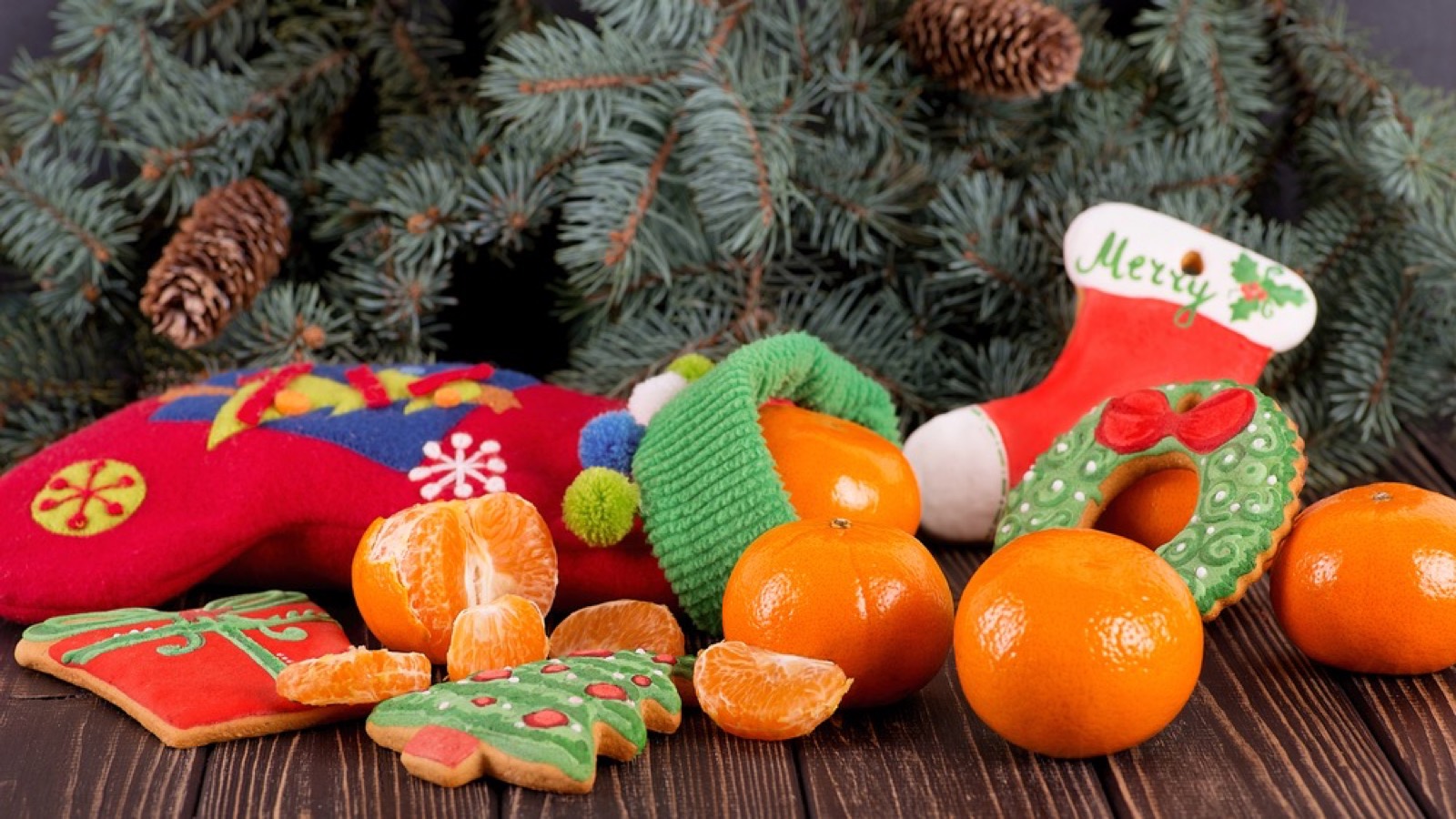
For many boomers, and especially their parents, an orange tucked into the toe of a Christmas stocking was a real gift. Fresh citrus in the middle of winter was hard to come by in much of the country, and a bright, sweet orange felt like a luxury. The Smithsonian notes that during the Great Depression, the orange became an affordable luxury that families could give.
Many boomer parents kept the tradition going, even when times were better. Today, oranges are sold in big bags all winter long, and kids might be disappointed to find one in their stocking. But for many older Americans, the smell of an orange still means Christmas morning.
2. Soda Pop
In many boomer households, soda was not an everyday drink. It was saved for Sunday dinners, birthday parties, summer picnics or a special trip to the corner store. A glass bottle of Coke, Pepsi or root beer was something kids looked forward to.
Families mostly drank milk, water and iced tea at home. Soda was a treat, often split among siblings. Today, soda is sold everywhere in giant bottles and 24-packs, and many people drink it every day. For boomers, the memory of a cold soda in a glass bottle on a hot day is still a special one.
3. Eating at McDonald’s
When McDonald’s and other fast-food chains spread across America in the late 1950s and ’60s, going out for a hamburger was an exciting event for kids. It was something families did once in a while, maybe after a Little League game or as a reward for a good report card.
A burger, fries and a shake felt like a feast. Today, fast food is a regular part of life for many families, sometimes several times a week. Drive-thrus are on every corner, and delivery apps bring burgers right to the door. For boomers, though, the first visits to those early restaurants with the golden arches were pure magic.
4. Steak
For many boomer families, steak was a special-occasion meal. Most weeknight dinners featured cheaper cuts, ground beef casseroles or chicken. A real steak might show up for a birthday, an anniversary or when company came over.
As the beef industry grew and prices fell in the decades after World War II, steak became more common on American tables. Steakhouse chains made it affordable to eat out too. Prices have climbed again lately, but steak is still far more of an everyday food than it was for many boomers growing up.
5. Shrimp
Shrimp was once a fancy food for many American families, especially those who didn’t live near the coast. It showed up as shrimp cocktail at nice restaurants or at holiday parties. Kids might get it only on special occasions.
Over the decades, imports of farmed shrimp grew enormously, and prices dropped. By 2001, shrimp had passed canned tuna to become America’s most popular seafood, according to NOAA data. Today, you can buy big bags of frozen shrimp at any grocery store, and all-you-can-eat shrimp deals are common. It’s a far cry from the days when a shrimp cocktail felt glamorous.
6. Strawberries in Winter
When boomers were growing up, fresh strawberries were mostly a late-spring and early-summer treat. Families waited for strawberry season, picked them at local farms and made shortcake, jam and pies while they lasted. In winter, fresh strawberries were rare or very expensive.
Today, strawberries are sold year-round, shipped from California, Florida and Mexico. You can buy them in January as easily as in June. Many boomers say they don’t taste quite as good as the local berries they remember, but there’s no denying they’re now an everyday fruit instead of a seasonal treat.
7. Store-Bought Cookies and Snack Cakes
In many boomer homes, cookies were usually homemade. Store-bought cookies and snack cakes like Twinkies, Ho Hos and Oreos were a treat, packed in a lunchbox now and then or bought for a special occasion. Mom baked most of the family’s sweets herself.
Today, the snack aisle is enormous, and packaged cookies and snack cakes are a regular part of many families’ grocery lists. Kids have more treats available than boomers could have imagined. For older generations, a homemade cookie still feels more special, but they remember the thrill of finding a store-bought treat in their lunchbox.
Why Treats Became Everyday
Many of these changes came from progress. Refrigerated trucks, global trade, cheaper farming methods and mass production made foods that were once rare available to almost everyone. That’s a good thing in many ways, since families have more choices than ever before.
But something was lost too. When treats are everywhere, they don’t feel as special. Boomers remember the joy of waiting for something and finally getting it. Those memories are part of what makes the things boomers remember so different from younger generations’ experiences. Like other little rituals that faded away, the thrill of a rare treat is easy to forget.
Some families are trying to bring a little of that feeling back. Grandparents might save a certain dessert only for holidays, or make a tradition of an orange in every stocking. Kids who grow up with those rituals often treasure them later, just as boomers do now.
There’s also a lesson about gratitude in these memories. Boomers learned to appreciate a cold soda or a shrimp cocktail because they didn’t have them every day. That habit of savoring small things is something many older Americans hope to pass on to the next generation.
What food was a special treat when you were growing up? Does it still feel special to you today?