7 Surprisingly Good Ways to Use Apple Juice in Your Kitchen This Fall
Apple juice usually gets treated like something you pour into a glass and forget about. But once fall arrives, that bottle in the refrigerator can become one of your kitchen’s most useful ingredients, adding sweetness, moisture, and a gentle apple flavor to both savory and sweet foods.
Unlike stronger apple cider, regular apple juice has a mild flavor that can slip into a dish without overpowering it. That makes it particularly useful when you want a hint of autumn rather than an entire plate that tastes like an apple orchard.
Turn It Into a Quick Glaze
A little apple juice can become a glossy, sweet-savory finish that makes ordinary food feel much more special.
As the water evaporates, apple juice reduces, concentrating its natural sugars and apple flavor. That makes it useful for glazing roasted carrots, sweet potatoes, chicken or pork, especially when balanced with something sharp such as mustard, vinegar or lemon. Bon Appétit’s guide to apple juice concentrate also shows how concentrated apple flavor can work in pan sauces and savory cooking.
The key is to watch it closely because concentrated sugars can go from beautifully glossy to burnt surprisingly quickly.
Give Pork or Chicken More Personality
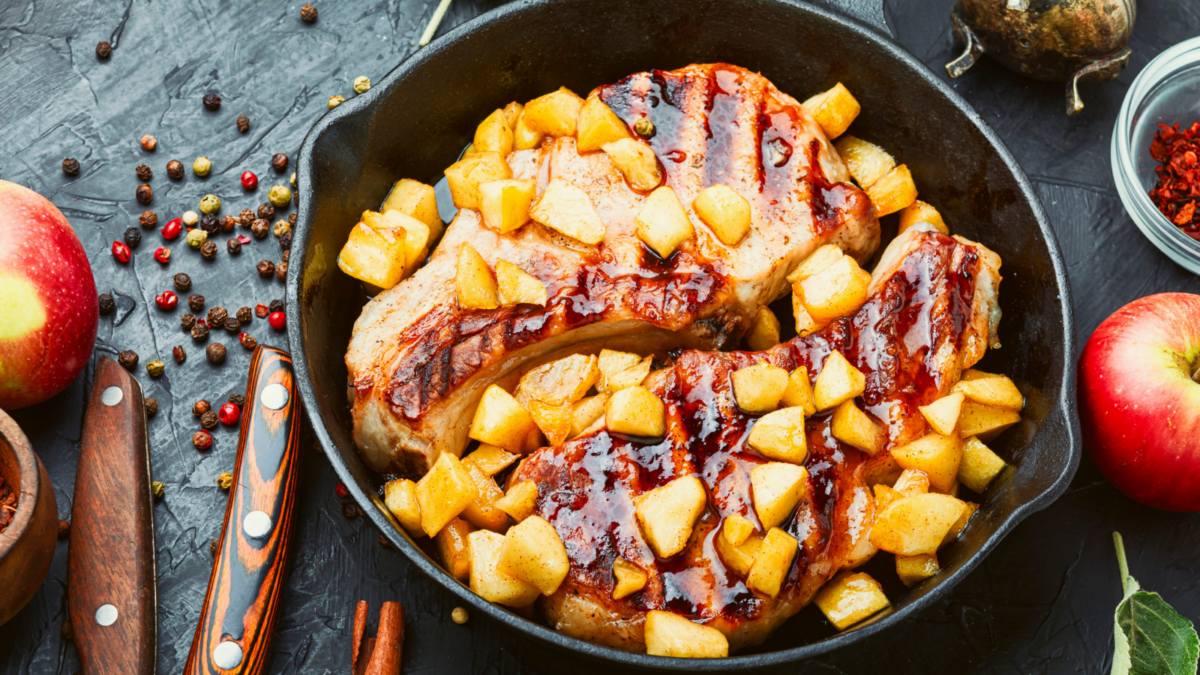
Apple and pork may be an old combination, but apple juice gives it a surprisingly easy modern twist.
Use apple juice in a marinade with ingredients such as garlic, ginger, soy sauce, mustard, or lemon. It adds sweetness while creating a flavorful base for grilled or roasted meat. A classic apple-juice marinade pairs the juice with soy sauce, honey, lemon and ginger for pork or chicken.
You can also use it as a finishing liquid when cooking meat, particularly when the pan has browned bits waiting to be turned into sauce.
Make Fall Vegetables Taste Completely Different
The vegetables sitting in your refrigerator may be one splash of apple juice away from tasting much more interesting.
Carrots, squash, sweet potatoes, Brussels sprouts, and onions all work naturally with apple’s sweetness. Instead of simply roasting them with oil and salt, a small amount of apple juice can add another layer of flavor as the vegetables cook.
The result works particularly well with savory ingredients such as sage, thyme, black pepper, mustard, or a little vinegar. That sweet-and-savory contrast is one reason apple juice is so useful during the colder months.
Add It to Baking Without Making Everything Taste Like Apples
Apple juice can quietly improve a bake without turning your kitchen into a pie factory.
A splash can add moisture and mild sweetness to muffins, quick breads, cakes, and other baked goods. It also works particularly well in recipes already featuring cinnamon, nutmeg, ginger, walnuts, or raisins.
Apple juice concentrate takes this even further because its flavor and sweetness are more concentrated, which is why it is used in everything from scone dough to baked goods and sauces.
For anyone who enjoys a little mood-boosting food when the weather turns chilly, an apple-spiced bake can make an ordinary afternoon feel considerably more inviting.
Related: 7 Fruits and Juices That Can Help Support Energy Levels
Use It to Deglaze a Pan
That browned stuff stuck to the bottom of your skillet is not a disaster—it is dinner waiting to happen.
After cooking pork, chicken or vegetables, add a small splash of apple juice to the warm pan and scrape up the browned bits. Those concentrated pieces bring savory depth, while the apple juice contributes sweetness and acidity.
From there, you can reduce the liquid with mustard, herbs or a little butter to create a quick sauce. Apple juice is particularly handy when you want the effect of deglazing with wine but prefer a nonalcoholic option.
Give Oatmeal and Breakfast a Fall Upgrade
You do not need a complicated autumn breakfast when apple juice can quietly change something as simple as oatmeal.
Replacing some of the water used for cooking oats with apple juice gives the finished bowl a subtle sweetness and fruity character. Add cinnamon, chopped walnuts, raisins, or diced apple, and suddenly a weekday breakfast feels much more seasonal.
The same idea works with pancakes, baked oatmeal, or even a warm grain bowl. It is a small change, but sometimes small changes are exactly what make simple habits easier to enjoy.
Make a Simple Apple Reduction
If you want apple flavor that goes beyond the bottle, reducing the juice is where things get interesting.
Simmering apple juice concentrates its flavor into a thicker syrup you can spoon over pancakes, yogurt, roasted vegetables,, or desserts. It can also be the starting point for a glaze, especially when paired with cinnamon, ginger, or a little citrus.
Just remember that apple juice and fresh apple cider are not identical. Juice is generally clearer and more processed, while cider retains more of the apple’s original character; either can be useful, depending on the result you want.
If you’re using fresh, unpasteurized juice, food safety matters too. The USDA advises choosing pasteurized or otherwise treated juice when possible, particularly for people at higher risk from foodborne illness.
Apple juice suddenly looks less like a breakfast drink and more like a fall kitchen shortcut. It can sweeten, brighten, glaze, moisten and deepen flavors without demanding that every dish become an apple recipe.
Which would you try first this fall: an apple-glazed dinner, apple-infused vegetables, a breakfast upgrade, or a sweet apple reduction?