10 Sandwiches That Go by a Different Name Depending on Your State
Order the same long sandwich in another part of America, and you may suddenly discover that everyone calls it something completely different.
There is something wonderfully American about a sandwich that refuses to settle on one name. A long roll filled with meat, cheese, vegetables, and dressing can be a sub, hoagie, hero, grinder, wedge, or several lesser-known regional terms depending on where you are. Linguists have studied this vocabulary and found the submarine sandwich to be one of the most regionally varied food terms in American English.
Sub, The Name Used Almost Everywhere
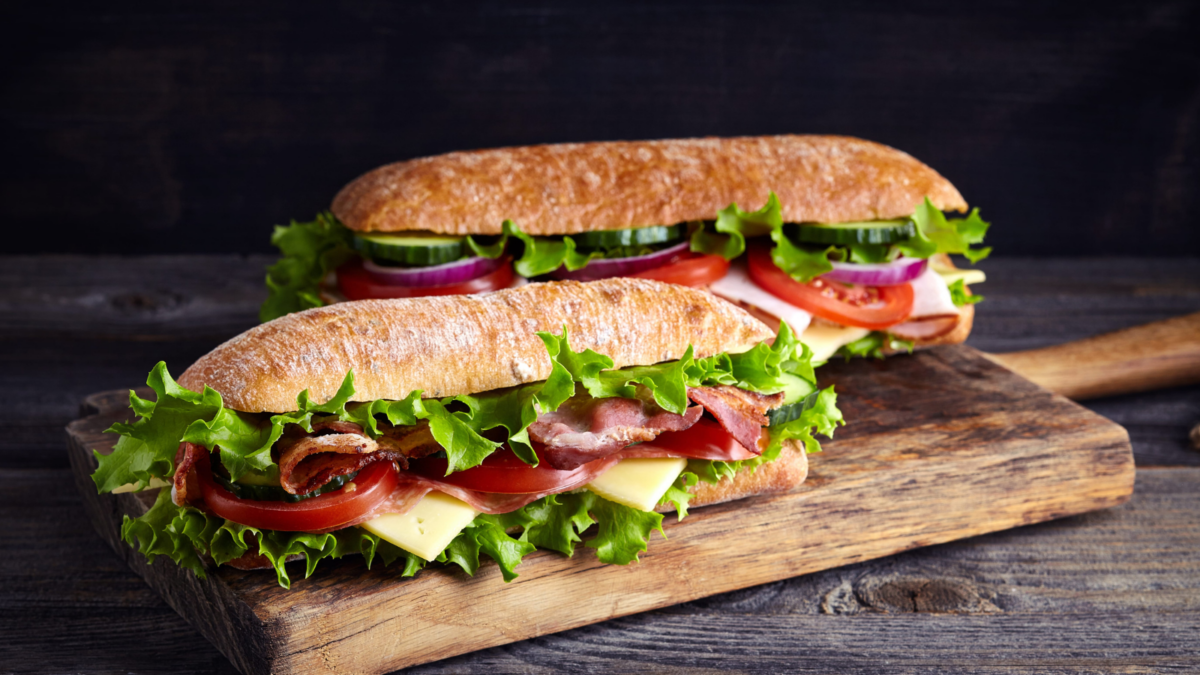
“Sub” became the closest thing America has to a universal name for the long sandwich.
Short for submarine sandwich, “sub” is the dominant national term and is especially useful when you are traveling and do not know the local vocabulary. The name comes from the sandwich’s long, rounded shape, which reminded people of a submarine. It eventually spread far beyond the regions where more distinctive names had taken root, helped along by sandwich shops and national chains. Dictionary.com also notes that the same sandwich can be called a hero, hoagie, or grinder depending on location.
Hoagie, Philadelphia and South Jersey
In Philadelphia, calling the sandwich a hoagie is not a minor vocabulary choice—it is part of the local food identity.
A traditional hoagie is built on a long Italian-style roll and often packed with Italian meats, cheese, lettuce, tomato, onion, oil, vinegar, and oregano. The exact origin of “hoagie” remains debated, with several competing stories surrounding Philadelphia’s Italian-American communities and Hog Island. What makes the name particularly interesting is how strongly it stayed attached to the Philadelphia area while other terms spread nationally. A fascinating history of hoagies and other regional sandwich names shows just how complicated that story became.
Hero, New York City
New York gave the sandwich a name that sounds much more dramatic than “sub.”
The hero is closely associated with New York City and can describe everything from a cold Italian deli sandwich to a hot meatball or chicken Parmesan version. The word has been documented in New York for decades, although the exact origin remains uncertain. Dictionary.com describes “hero” as a distinctly New York term for a long sandwich, illustrating how the word became part of the city’s everyday speech.
Related: 10 Weird Sandwiches From History, Ranked By How Much You Want To Try Them
Grinder, New England
Head into New England and the sandwich suddenly becomes something you apparently have to grind your way through.
“Grinder” is strongly associated with New England and parts of the Inland North, and it can describe a hot or cold long sandwich. Toasted grinders are particularly familiar, with crisped bread, melted cheese, and warm fillings creating a very different eating experience from a cold deli sub. The term has survived because regional food words often become part of ordinary family and neighborhood vocabulary rather than something people consciously choose.
Wedge, Westchester County and Nearby Areas
The wedge is one of those names that makes perfect sense locally and can leave everyone else wondering what happened to “sub.”
The term is particularly associated with Westchester County, New York, and nearby parts of the region. It refers to the same general long sandwich family, but the name developed as a local preference rather than becoming a national standard. That is exactly what makes regional food language so fascinating: the ingredients can remain familiar while the word quietly changes from town to town.
Spuckie, Boston
Boston has one of the most unusual names on the list, and it is easy to imagine visitors doing a double take when they first hear it.
“Spuckie,” also spelled “spukie” or “spuky,” is a Boston regional term for a hero sandwich. Dictionary.com labels it chiefly Boston and connects it directly to the hero sandwich, although its exact etymology is uncertain. The word is especially interesting because it reflects the influence of Boston’s Italian-American communities and demonstrates how immigrant neighborhoods helped create America’s regional food vocabulary.
Maine Italian, Maine
In Maine, you can ask for an Italian and expect the sandwich shop to know exactly what you mean.
The Maine Italian is a local specialty built around a long roll and traditionally filled with ham, cheese, tomato, onion, peppers, and pickles. It developed within Maine’s Italian-American food culture and became distinctive enough that the regional name survived on its own. Unlike “sub,” which describes the broad sandwich category, “Italian” carries a much stronger sense of place.
Torpedo, A Less Common Regional Name
If “submarine” already sounds nautical, “torpedo” takes the comparison even further.
“Torpedo” is one of the older regional terms recorded for the long sandwich, although it never became as widespread as sub, hoagie, hero, or grinder. The American Dialect Society’s research into submarine-sandwich vocabulary specifically identified torpedo as one of the major competing regional terms. That makes it a great example of how American communities once had far more local sandwich vocabulary than most menus reveal today.
Po’ Boy, New Orleans and Louisiana
The po’ boy is where a regional sandwich name becomes much more than a different word for the same lunch.
New Orleans turned its version of the long sandwich into a food tradition of its own, typically using crusty French-style bread and fillings such as fried shrimp, oysters, or roast beef. The sandwich’s history, bread, fillings, sauces, and local preparation have given it an identity that extends well beyond the naming differences found elsewhere. It belongs in this conversation because it shows how regional food vocabulary can eventually become regional food culture.
Poor Boy, Another Name With a Regional Story
Before “po’ boy” became the familiar spelling, “poor boy” was another name used for this New Orleans sandwich tradition.
The American Dialect Society’s research includes “poor boy” among the regional terms used for the submarine-sandwich family. That wording reminds us that regional names can change not only from place to place but also over time. What appears on a modern menu as “po’ boy” carries an older linguistic history that connects the sandwich to the people and communities who made it part of New Orleans life.
And food names are only one example of how ordinary routines carry regional personality. Sometimes even simple everyday habits can reveal how differently people approach familiar things.
So the next time you walk into a sandwich shop in another state, listen before you order. The sandwich might be nearly identical to the one you grew up eating, but its name could give away an entirely different corner of America.
What do you call the long sandwich you grew up with: sub, hoagie, hero, grinder, wedge, Italian, spuckie, or something else?