Russian Troops Face Minutes of Survival as Ukraine’s Drone War Turns the Frontline Into a Killing Zone
The most terrifying sound on the Ukraine frontline may no longer be artillery. It may be the thin, angry buzz of a drone overhead.
For Russian troops pushed into assault missions, that sound can mean they have already been seen, tracked, and targeted before they even reach a trench. Recent reports citing pro-war Russian military bloggers claim some Russian soldiers are surviving only 20 to 35 minutes after entering parts of the frontline, a chilling estimate that has not been independently verified but reflects a grim reality military analysts have been warning about for months: the battlefield has changed. In Ukraine, survival is no longer just about armor, numbers, or courage. It is about whether a soldier can hide from a machine watching from the sky.
The Frontline Has Become A Drone-Hunted Dead Zone
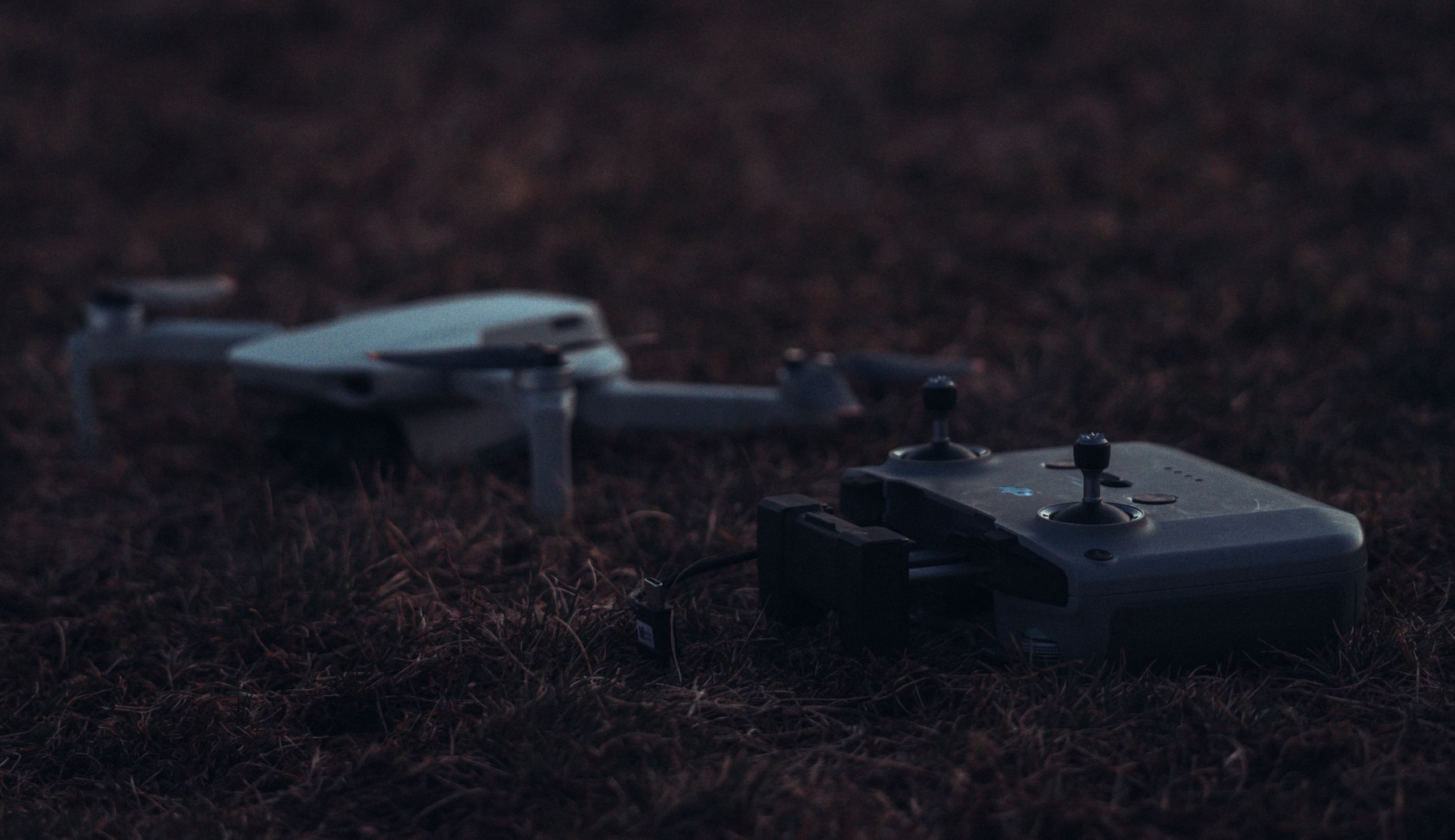
Ukraine’s war has entered a new stage where drones are not simply supporting infantry. They are shaping the entire battlefield.
Business Insider reported that the frontline drone “kill zone” has widened dramatically, reaching up to 50 kilometers in some areas. Ukrainian officials have described parts of that zone as a “dead zone,” where vehicles, equipment, and troops can be spotted and destroyed quickly by surveillance drones, first-person-view drones, artillery, and loitering munitions.
That expansion matters because it changes what frontline movement means. In older wars, soldiers feared snipers, mines, artillery, and ambushes. In Ukraine, they still fear all of those things, but now they also face a sky filled with cheap cameras and explosive drones. A soldier crossing open ground is not just walking into enemy fire. He may be walking into a live video feed.
For Russian assault troops, especially those sent forward in small groups, the danger can be extreme. Reports of short battlefield survival times should be treated cautiously because wartime claims are often difficult to verify. Still, the broader picture is clear: drone saturation has made movement near the front brutally costly.
Why Russian Assault Tactics Are So Deadly
Russia has repeatedly relied on infantry-heavy assaults to pressure Ukrainian positions. These attacks often involve sending small groups forward to probe defenses, occupy ruins, or exhaust Ukrainian firepower. The tactic can yield gains, but it exacts a devastating human toll.
The drone war makes that price even higher. Small assault units that once might have moved through tree lines, fields, or broken villages under cover of darkness can now be detected by thermal optics, reconnaissance drones, and electronic surveillance. Once spotted, they may be struck by FPV drones carrying explosives or targeted by artillery guided by drone operators.
This creates a terrifying trap. Troops cannot move freely because drones may see them. They cannot gather in large numbers because concentrations become targets. They cannot rely on vehicles because armored movements are often detected and targeted. Even trenches, once seen as protection, can become traps when drones drop explosives directly into dugouts or guide strikes onto fixed positions.
The result is a battlefield where the distance between arrival and death can feel frighteningly short.
Ukraine’s Drone Strategy Is Choking Russian Movement
Ukraine’s drone campaign is not only aimed at frontline troops. It is also striking the systems that keep them supplied.
The Guardian reported that Ukrainian drone operations have increasingly targeted Russian logistics between 20 and 200 kilometers behind the frontline, with President Volodymyr Zelenskyy saying in May that longer-range strikes had sharply increased compared with earlier months.
That matters because armies do not fight only with soldiers. They fight with fuel, ammunition, food, repair vehicles, command posts, bridges, rail lines, depots, and roads. When drones threaten those supply routes, frontline troops become more isolated. The same drone pressure that kills soldiers in the open can also slow reinforcements, disrupt rotations, and make evacuating the wounded more dangerous.
This is the quiet power of Ukraine’s drone war. It does not always need to produce dramatic battlefield breakthroughs to be effective. It can make the enemy’s daily movement miserable, expensive, and deadly.
The Psychological War May Be Just As Important
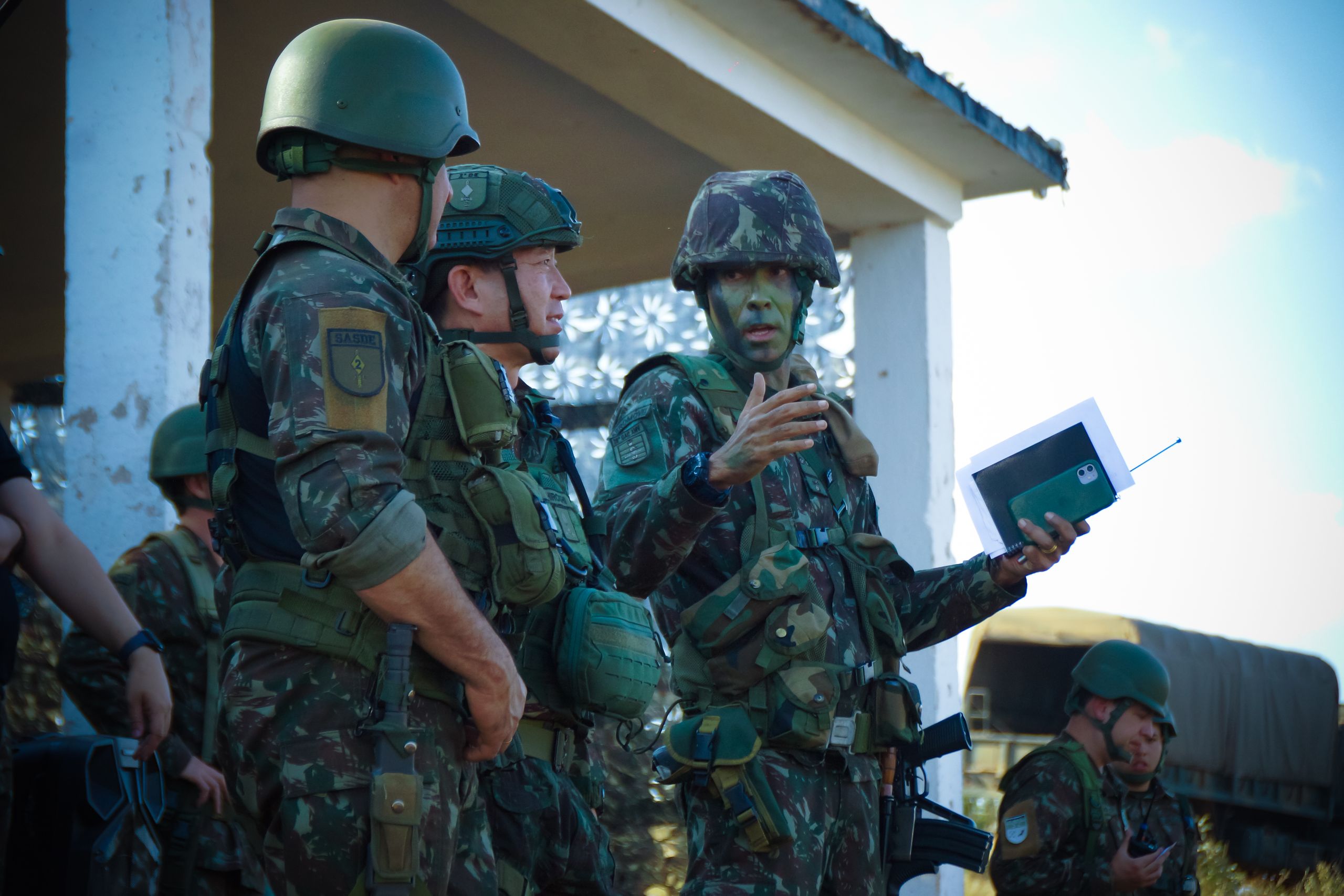
The physical damage from drones is obvious. The psychological damage may be harder to measure, but it is just as important.
A soldier who believes he is being watched every second behaves differently. He moves less. He hesitates more. He sleeps poorly. He fears open ground. He worries that any noise overhead may be the last thing he hears. On a battlefield where cheap drones can hunt individual soldiers, fear becomes constant.
That fear can spread through units. If troops believe the front is a one-way trip, morale weakens. If recruits hear that new soldiers survive only minutes in combat, even as an unverified claim, it becomes part of the war’s mental battlefield. Rumors can become weapons. Panic can become contagious.
For Russia, this is dangerous. Moscow has relied on mass, pressure, and attrition to grind forward. But attrition works only if the state can keep replacing losses and if troops remain willing or able to keep attacking. A drone-saturated front makes both harder.
The Future Of War Is Already Here
Ukraine has become the world’s most visible laboratory for modern drone warfare. Both sides use drones heavily, and Russia has also adapted with its own drone units, electronic warfare systems, and counter-drone tactics. This is not a one-sided technological story. It is an arms race happening in real time.
But Ukraine’s use of drones has shown how cheaper technology can challenge a larger military force. A relatively inexpensive FPV drone can threaten a vehicle worth millions. A small reconnaissance drone can expose a hidden position. A drone operator miles away can influence whether the infantry survives at the front.
That is why militaries around the world are watching. The war is demonstrating that future battlefields may be dominated not only by tanks and jets, but by networks of drones, sensors, jammers, and operators who can turn open space into a killing zone.
A Grim Warning From The Front
The reports that Russian troops may be surviving only minutes on parts of the Ukraine frontline should be read with caution. Wartime numbers can be exaggerated, politicized, or impossible to confirm. But the larger warning is harder to dismiss.
The Ukraine battlefield has become brutally transparent. Hiding is harder. Moving is deadlier. Supply lines are more vulnerable. Soldiers are being hunted not just by other soldiers, but by machines that can hover, watch, dive, and explode.
For Russian troops ordered into assault after assault, the frontline is no longer just a line on a map. It is a place where the sky itself has become hostile.
And in this new kind of war, the most dangerous moment may be the instant a soldier steps into view.