9 American Tourist Mistakes That Make Locals Cringe
Americans are often friendly, open, confident, and quick to start a conversation. Those traits can be charming at home, but travel has a way of changing the rules without warning. A habit that feels normal in Chicago, Dallas, Miami, or Denver can land badly in Tokyo, Paris, Rome, Seoul, Istanbul, or a quiet village where people read manners very differently.
The problem is not that American travelers are trying to be rude. Most are not. The trouble starts when confidence turns into volume, friendliness turns into intrusion, convenience turns into disrespect, and casual behavior ignores local customs. Abroad, good manners often begin with one simple skill: noticing the room before acting like you already understand it.
Eating Or Drinking While Walking Everywhere
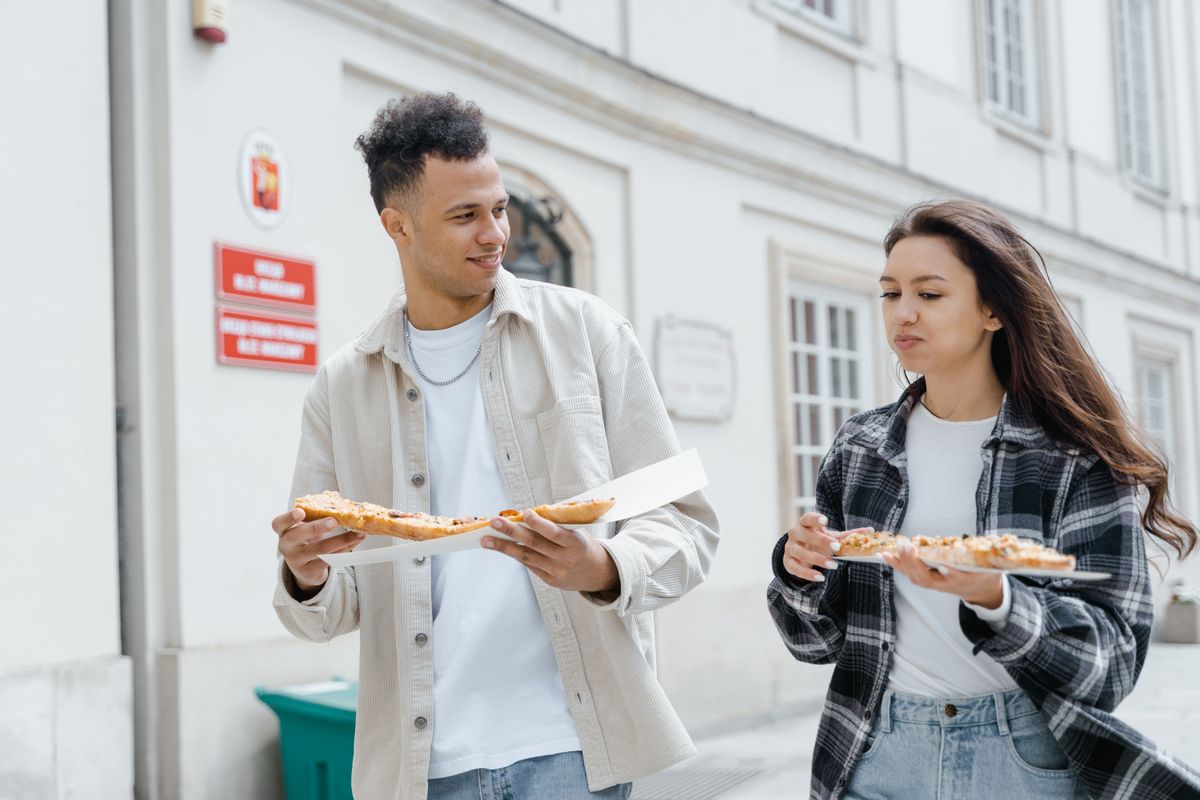
In many American cities, eating on the go is normal. People drink coffee while walking, eat snacks in public, grab takeout between errands, and treat movement as part of the meal. Abroad, this can look messy or disrespectful in places where food is meant to be enjoyed sitting down.
Some cultures treat eating as a slower social act, not something squeezed between sidewalks and schedules. Walking through historic streets with dripping food or loud packaging can make tourists look careless. The safer move is to observe locals first. If nobody around you is eating while walking, there is probably a reason.
Speaking Too Loud In Public
Americans are often accustomed to expressive conversation, especially in restaurants, airports, on tours, and in hotel lobbies. Abroad, that same energy can feel overwhelming in places where people speak more quietly in public. A normal American speaking voice may sound like a performance to locals accustomed to lower volume and more private conversation.
This can make tourists stand out for the wrong reason. Loud talking on trains, in museums, at cafes, or on quiet streets can make people feel like their space has been invaded. Lowering the volume does not mean becoming stiff or unfriendly. It simply shows that the traveler understands public space belongs to everyone.
Assuming Everyone Speaks English
English is widely spoken in many tourist areas, but assuming everyone should speak it can make Americans look arrogant fast. Walking into a shop, hotel, taxi, or restaurant and immediately speaking fast English can come across as dismissive, especially in countries where locals already deal with heavy tourist traffic.
A better habit is to learn basic greetings, thank you, please, excuse me, and how to ask politely if someone speaks English. Even a clumsy attempt at the local language can soften the interaction. People often appreciate the effort because it shows respect before convenience.
Treating Tipping Like A Universal Rule

In the United States, tipping is tied to restaurant culture, service work, and social expectations. Abroad, tipping customs vary widely. In some countries, service is already included. In others, a small round-up is fine. In a few places, tipping can feel awkward or even insulting.
The mistake is assuming American tipping habits automatically translate everywhere. Over-tipping can create confusion, and under-tipping in places where it is expected can look cheap. Smart travelers check local customs before the bill arrives. Money is never just money when it carries cultural meaning.
Asking Personal Questions Too Quickly
Americans often use questions to create warmth. What do you do? Are you married? How much does that cost? Do you have kids? Where do you live? At home, these may pass as friendly small talk, but in some cultures they can feel too direct, too personal, or strangely invasive.
Travel conversations usually work better when trust builds slowly. Asking about food, weather, local sights, sports, music, or travel recommendations can feel safer than jumping into someone’s private life. Curiosity is good, but abroad it needs patience. Not every friendly stranger wants to become personal in five minutes.
Dressing Too Casually Everywhere
Americans often value comfort, especially when traveling. Sneakers, leggings, shorts, baseball caps, gym clothes, flip flops, and oversized T-shirts may feel practical for long walks and busy days. In some destinations, though, ultra casual clothing can look careless in restaurants, religious sites, government buildings, theaters, or upscale neighborhoods.
The issue is not fashion snobbery. Clothing can signal respect. Covered shoulders, modest outfits, cleaner shoes, or more polished basics may be expected in certain places. Before packing, travelers should think beyond weather and comfort. They should also think about where they will be seen.
Smiling At Everyone Like It Means The Same Thing Everywhere
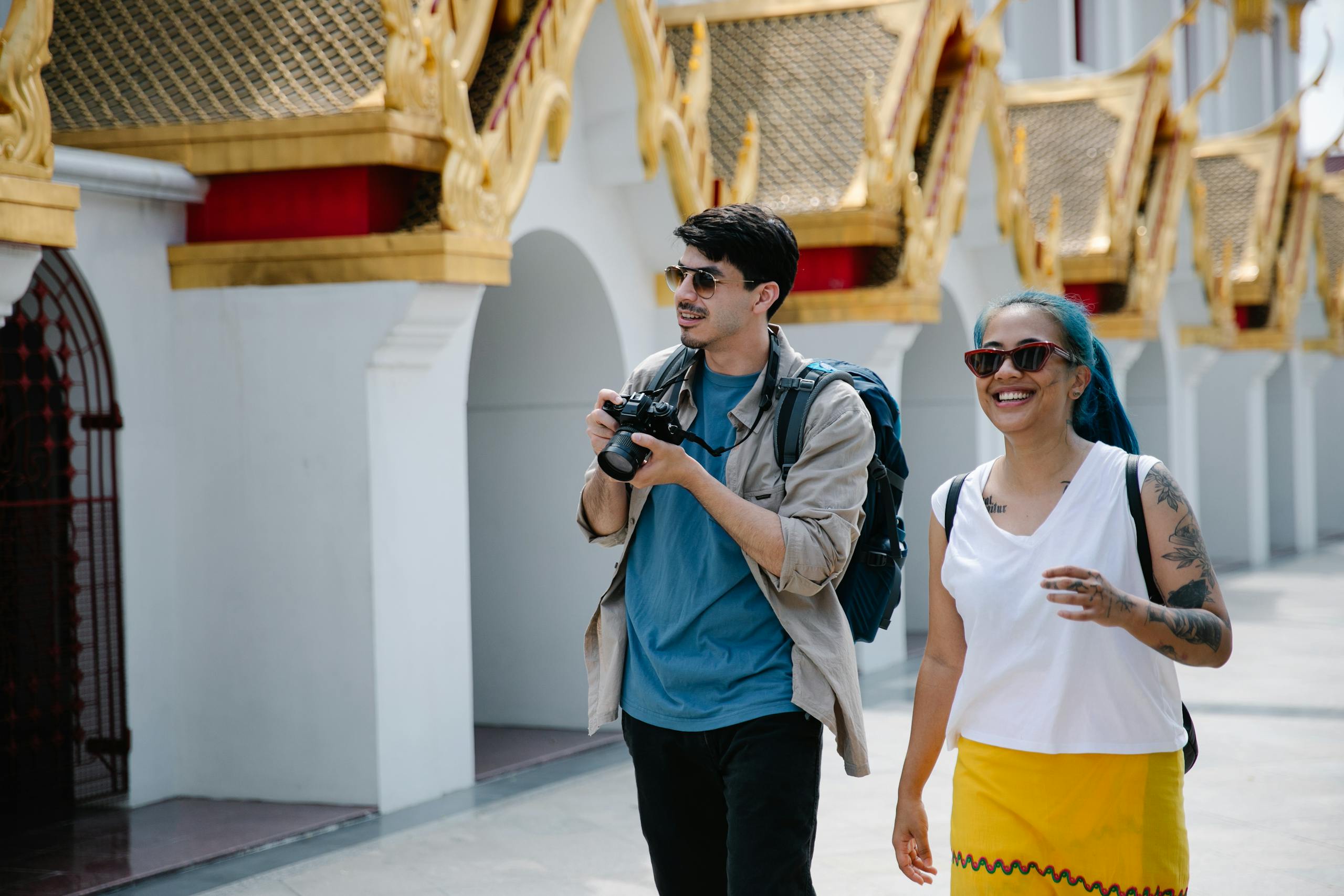
In many parts of the United States, smiling at strangers is a sign of warmth, politeness, or harmless friendliness. In other places, constant smiling can feel unusual, forced, flirtatious, unserious, or even suspicious. That does not mean locals are cold. It means they may express respect differently.
A traveler does not need to erase their personality, but reading the setting matters. In a quiet shop, a formal office, a crowded subway, or a traditional neighborhood, a calmer expression may fit better than nonstop cheerfulness. Sometimes, the most respectful thing an American tourist can do is stop trying so hard to look friendly and simply behave thoughtfully.
Using Big Gestures Without Knowing Their Meaning
A thumbs up, peace sign, pointing finger, open palm, or casual wave may feel harmless to Americans. In other countries, gestures can carry different meanings, and some can be rude depending on the context. What looks playful in one place may look insulting somewhere else.
Body language travels badly when people assume it is universal. Tourists do not need to memorize every gesture in the world, but they should be careful with dramatic hand signals, pointing at people, touching strangers, or using gestures in heated moments. When unsure, words and calm manners are safer than big signals.
Acting Like Local Rules Are Just Suggestions
This is the habit that can turn mild annoyance into real trouble. Some tourists ignore dress codes, step over barriers, touch museum pieces, photograph people without permission, complain about quiet hours, walk into sacred spaces carelessly, or treat signs like decoration. They may think they are being adventurous, but locals often see it as disrespectful.
Rules abroad are not always explained in the same way they are at home, but that does not make them optional. A traveler who pays attention to signs, customs, queues, quiet spaces, and sacred places usually earns locals’ patience. The best American tourists do not become less American when they adapt. They simply show enough awareness to be welcomed somewhere that is not built around them.