9 Everyday Foods That May Quietly Shorten Your Life
These are the common foods we should stop eating to live longer, protect our hearts, lower the risk of chronic disease, and build a cleaner, longer life.
A shorter life rarely announces itself with one dramatic meal. It often creeps in through the foods we keep calling harmless, the quick breakfast we grab without thinking, the late-night snack that feels small, and the convenient dinner that fills the plate while quietly draining the body.
If we want to live longer, we need to stop treating food like a side issue. The foods we eat every day can push the body toward inflammation, high blood pressure, insulin resistance, weight gain, liver stress, heart disease, and cancer risk. The goal is not fear. The goal is clarity, because the longest, strongest lives are often built from simple choices repeated for years.
Processed Meats That Turn Convenience Into Long-Term Risk

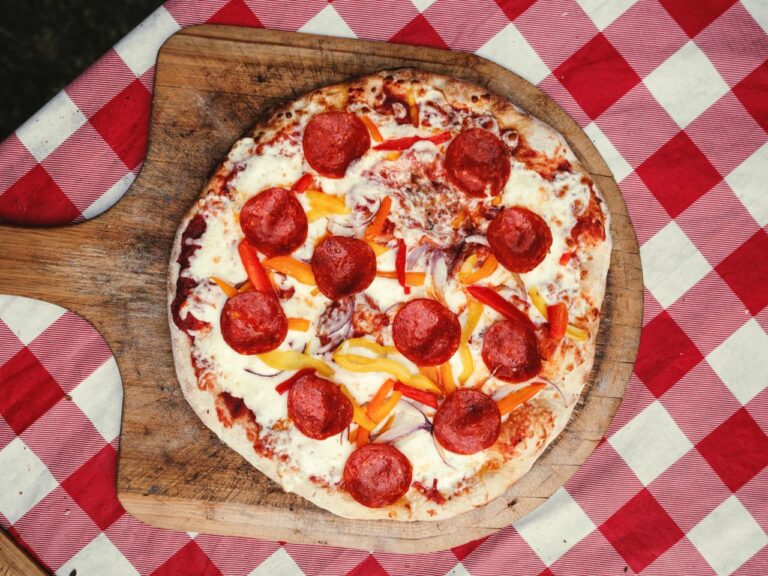
Processed meats are some of the most dangerous foods we should stop eating to live longer. Bacon, hot dogs, sausages, deli ham, salami, pepperoni, and many packaged lunch meats may taste familiar and comforting, but they carry a heavy health cost. These foods are usually preserved through smoking, curing, salting, or chemical additives, which can introduce compounds linked to cancer risk and cardiovascular strain. The problem becomes bigger because processed meats often appear in everyday meals, from breakfast sandwiches to pizza toppings and quick-packed lunches.
We should replace them with cleaner protein choices that support the body instead of overloading it. Eggs, beans, lentils, grilled fish, skinless poultry, tofu, chickpeas, and homemade lean meat dishes provide protein without the same processed-food burden. Longevity eating is not about removing flavor from life. It is about refusing to let convenience foods become daily habits that quietly wear down the colon, arteries, kidneys, and heart.
Sugary Drinks That Flood the Body With Liquid Sugar

Sugary drinks are among the easiest foods to underestimate because they do not feel like food at all. Soda, sweet tea, fruit punch, energy drinks, flavored lemonades, sweetened coffees, and many bottled smoothies can pour a large amount of sugar into the body in just a few minutes. Liquid sugar moves quickly, provides little fullness, and often leads people to consume more calories without realizing it. Over time, this pattern can lead to weight gain, blood sugar spikes, fatty liver issues, tooth decay, and a higher risk of metabolic disease.
We should treat sugary drinks as occasional desserts, not daily hydration. Water, sparkling water, unsweetened tea, black coffee, lemon water, cucumber water, and homemade fruit-infused drinks are better choices for anyone trying to live longer. The body does not need sugar syrup to feel refreshed. Once we reduce these drinks, cravings often soften, energy feels steadier, and the body gets a chance to operate without constant glucose surges.
Ultra-Processed Snacks That Keep Hunger Alive

Ultra-processed snacks are engineered to be easy to eat, hard to stop, and strangely unsatisfying. Chips, cheese puffs, packaged cookies, snack cakes, candy bars, instant noodles, sweet cereals, and many shelf-stable snack packs often combine refined starches, added sugars, cheap oils, salt, flavor enhancers, and low fiber. These foods can make us eat faster and eat more because they deliver intense flavor without real nourishment. The body receives calories, but the cells still wait for fiber, minerals, protein, and protective plant compounds.
We should stop making ultra-processed snacks the backbone of our daily eating patterns. A better long-life snack plate can include nuts, Greek yogurt, fruit, roasted chickpeas, boiled eggs, hummus, vegetables, cottage cheese, oats, or whole-grain toast with avocado. These foods digest more slowly and leave the body with something useful. We do not need to snack less because we lack discipline. We often need to snack better because the food industry has turned hunger into a business model.
Fried Fast Foods That Punish the Heart
Fried fast foods can be brutal on long-term health because they often combine refined flour, high heat, reused oils, excess sodium, and large portions. French fries, fried chicken, onion rings, fried fish sandwiches, nuggets, mozzarella sticks, and deep-fried appetizers may satisfy quickly, but they can load the body with unhealthy fats and salt. Frequent fried-food meals can also crowd out foods that protect longevity, such as vegetables, beans, whole grains, fruit, and fish. The damage is not just in the calories. It is in the repeated pressure these meals place on the heart and blood vessels.
We should move fried foods from routine to rare. Roasted potatoes, air-fried vegetables, grilled chicken, baked fish, stir-fried greens, and oven-crisped chickpeas can bring crunch without the same nutritional hit. The goal is not a joyless plate. The goal is to stop letting fast food decide what our arteries, liver, and blood pressure have to survive year after year.
Refined White Carbs That Spike and Crash Energy

White bread, white rice, regular pasta, pastries, crackers, and many low-fiber breakfast cereals can act like fast fuel with a short fuse. Refined grains have often lost the bran and germ, which means they lose much of the fiber and nutrient density that makes grains valuable. These foods digest quickly, which can raise blood sugar faster and leave us hungry again sooner. A diet built around refined carbs can make energy feel unstable and can increase cravings for even more quick starches and sweets.
We should swap refined white carbs for grains that work harder for the body. Oats, barley, brown rice, quinoa, whole-grain bread, farro, bulgur, beans, lentils, and sweet potatoes bring more fiber, texture, and staying power. This kind of change does not require a dramatic diet identity. It simply asks us to choose carbs that behave like food, not like a sugar rush wearing a bread costume.
High-Sodium Packaged Meals That Raise Pressure in Silence
High-sodium packaged foods are dangerous because the salt is often hidden in foods that do not taste extremely salty. Frozen dinners, canned soups, boxed rice mixes, instant noodles, frozen pizzas, processed sauces, bottled dressings, and packaged meats can push sodium intake far above healthy levels. The body needs some sodium, but too much can raise blood pressure and strain the heart, kidneys, and blood vessels. The scary part is that high blood pressure can build quietly for years before symptoms force attention.
We should read labels with the same seriousness we bring to expiration dates. Lower-sodium soups, plain frozen vegetables, homemade sauces, herbs, garlic, lemon juice, vinegar, pepper, paprika, and salt-free seasoning blends can help bring flavor back under our control. A long-life kitchen does not have to taste bland. It simply stops packaged food companies from seasoning our meals as if our blood pressure does not matter.
Trans-Fat and Shortening-Based Baked Goods
Some baked goods look innocent because they appear small, sweet, and familiar. Doughnuts, packaged pies, frosted pastries, cheap cookies, microwave popcorn, shelf-stable cakes, and some fried bakery items may contain fats that are harmful to heart health, especially if partially hydrogenated oils or shortening-based formulations are used. Trans fats are especially harmful because they can worsen cholesterol patterns in the wrong direction. Even when labels look cleaner today, many ultra-processed baked goods still deliver refined flour, added sugar, sodium, and saturated fats in one soft, tempting package.
We should stop treating packaged pastries as normal breakfast food. A better morning choice can include oatmeal with berries, eggs with vegetables, Greek yogurt with nuts, whole-grain toast, fruit with peanut butter, or a homemade muffin made with whole grains and less sugar. Sweet food can still have a place, but it should stop pretending to be a daily meal. Longevity begins when breakfast stops acting like dessert in disguise.
Excess Alcohol That Masquerades as a Lifestyle Treat
Alcohol often enters the diet under the cover of celebration, relaxation, social bonding, or sophistication. Beer, wine, cocktails, hard seltzers, and spirits may feel like harmless adult rituals, but regular drinking can add empty calories and increase health risks over time. Alcohol can affect the liver, blood pressure, sleep quality, mental health, cancer risk, and decision-making around food. It can also make late-night eating and next-day cravings worse, which can turn one drink into a broader pattern.
We should be honest about alcohol’s place in a long-term plan. Cutting back, choosing alcohol-free days, switching to sparkling water with citrus, or saving drinks for rare occasions can reduce the burden on the body. We do not need to turn every dinner, weekend, and stressful evening into a drinking event. A longer life often asks us to protect the liver before it has to beg for help.
Charred and Overcooked Meats That Add Extra Risk
Grilled meat can be part of a balanced diet, but heavily charred, blackened, or overcooked meat deserves caution. When meat is cooked at very high heat, especially over open flames, it can form compounds that are better minimized in a long-term eating pattern. The risk increases when the plate combines charred meat with processed meats, low-vegetable intake, refined bread, sugary sauces, and salty sides. A barbecue can go from enjoyable to harmful when every part of the meal works against the body.
We should cook meat more gently and build the plate around plants. Marinating meat, avoiding direct contact with the flame, trimming burnt sections, choosing fish or poultry more often, and adding beans, salads, grilled vegetables, and whole grains can make outdoor meals cleaner. The point is not to remove pleasure from the table. It is to stop confusing burnt edges and processed sides with tradition when healthier versions can still taste rich, smoky, and satisfying.
Better Foods to Eat for a Longer Life
The strongest long-life diet does not depend on one miracle food. It depends on a pattern. We should eat more vegetables, fruit, legumes, nuts, seeds, whole grains, fish, olive oil, herbs, spices, and minimally processed proteins. These foods give the body fiber, antioxidants, healthy fats, minerals, and steady energy. They also help push out the foods that shorten life because a full, nourishing plate leaves less room for processed meats, sugary drinks, and refined snacks.
A better eating pattern also has to feel realistic. We can start by changing one daily drink, one breakfast, one snack, and one dinner habit. Replace soda with water. Replace processed meat with beans or fish. Replace packaged pastries with oats or eggs. Replace frozen salty meals with simple batch-cooked bowls. Small swaps become powerful when they stop being temporary and start becoming normal.