How Brands Trick You Into Eating More Processed Food
Walk into a supermarket, and almost every shelf competes for your attention. Bright packaging, irresistible flavors, colorful advertisements, and tempting discounts encourage shoppers to fill their baskets with products they didn’t plan to buy. From sugary breakfast cereals and packaged snacks to instant noodles, soft drinks and ready-made meals, processed foods are marketed as convenient, affordable and enjoyable. However, behind these attractive promotions lies a sophisticated marketing industry designed to influence what people eat, how much they consume and how frequently they return to buy more.
Food manufacturers don’t simply sell products; they sell experiences, emotions, and habits. Through carefully developed recipes, strategic packaging, persuasive advertising, and product placement, brands can encourage consumers to choose highly processed foods over less-processed alternatives. Understanding these tactics can help shoppers make more informed dietary decisions.
The science behind irresistible flavors
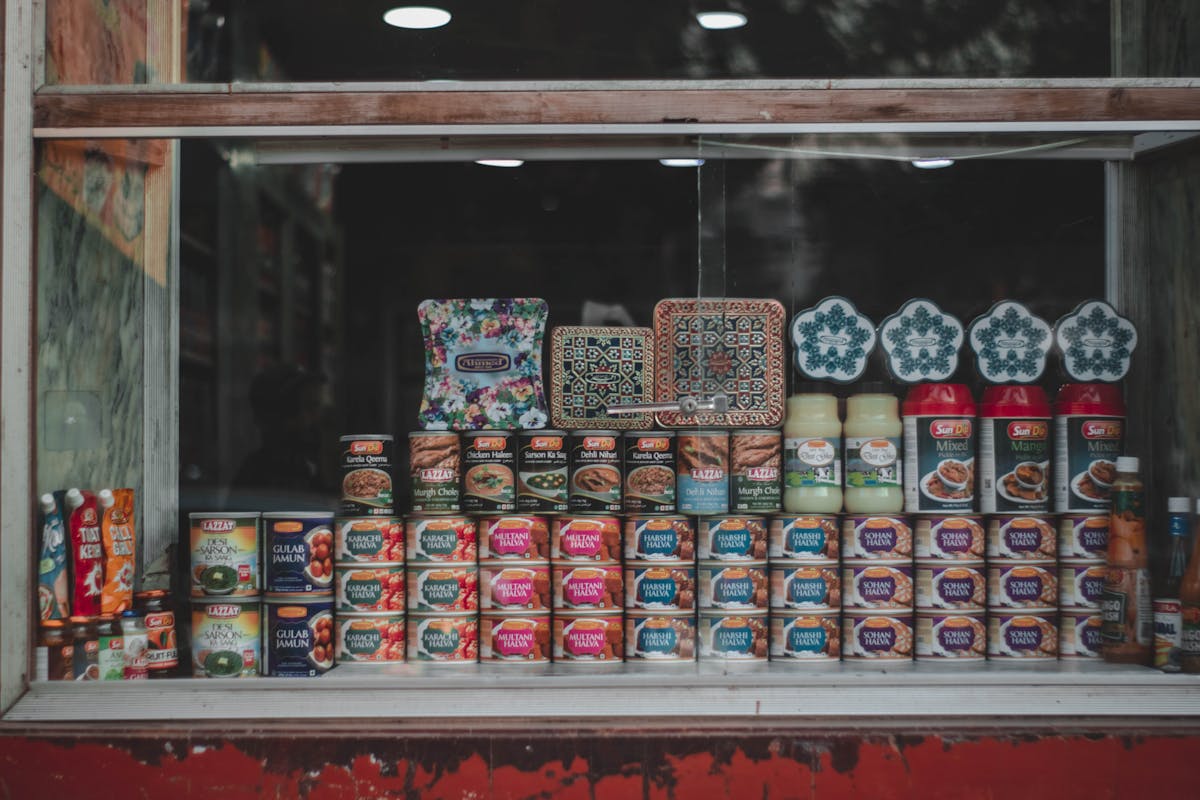
One of the most important strategies food manufacturers use is developing products that deliver appealing combinations of sugar, salt, and fat. These ingredients can make food enjoyable and encourage repeat consumption, especially when paired with appealing textures and flavors.
Many ultra-processed foods are engineered to provide a consistent taste and texture that consumers recognize and enjoy. Crisps, biscuits, sweetened drinks and confectionery are examples of products designed to deliver strong sensory experiences.
Some snacks also have textures that break down quickly in the mouth, making them easy to eat rapidly. When eating becomes automatic, consumers may pay less attention to how much they have consumed.
However, not every processed food is designed to encourage overeating, and people respond differently. Processing itself does not prove a product is unhealthy. Nutritional composition, portion size, eating habits, and overall dietary pattern also matter.
Research has nevertheless raised concerns about ultra-processed foods. A controlled clinical trial published in 2019 by researchers at the United States National Institutes of Health found that participants consumed more calories and gained weight during a period when they were offered an ultra-processed diet than when they ate a minimally processed diet. The study suggests that diet characteristics can influence consumption, although it does not establish that every ultra-processed product has the same effect.
Packaging that makes unhealthy choices attractive

Packaging is among the most visible tools food brands use to influence purchasing decisions. Bright colors, cartoon characters, attractive photographs and bold claims can make products appear exciting, nutritious or suitable for everyday consumption.
Breakfast cereals, for example, may feature smiling characters, sports personalities or images of fruit. Such designs can appeal to children while reassuring parents that the product is a sensible breakfast option.
Some packages also display words such as “natural”, “multigrain”, “light” and “made with real fruit”. Although these descriptions may be accurate in particular circumstances, they do not automatically mean that a product contains little sugar, salt or saturated fat.
For instance, a cereal advertised as containing whole grains may still contain substantial added sugar. Similarly, a fruit-flavored drink may contain little actual fruit.
Package fronts are designed to attract attention, while important nutritional information often appears in smaller text elsewhere. Consumers who rely exclusively on prominent claims may therefore overlook details that would affect their purchasing decisions.
Checking ingredient lists, serving sizes and nutrition labels provides a more complete picture of what a product contains.
Discounts and larger portions encourage more consumption.
Promotional offers are another powerful way brands influence food purchases. Deals such as “buy two, get one free”, family-sized packs and discounted multipacks can make shoppers feel they are saving money.
While these promotions may reduce the cost per item, they can also encourage consumers to purchase more than they need. Having extra snacks and sugary drinks readily available at home may increase the likelihood of eating them frequently.
Portion sizes can also influence consumption. Large packets, oversized bottles, and multipacks make it easy to consume more without noticing. Someone who intends to eat a small serving may keep eating when a large package is within reach.
Supermarkets also use strategic product placement to stimulate impulse purchases. Snacks and confectionery displayed near checkout counters can attract shoppers waiting in queues. Products positioned at eye level or in prominent promotional displays may receive more attention than alternatives placed elsewhere.
These techniques aren’t unique to processed foods, but they can make less nutritious products particularly hard to resist when consumers shop quickly or on a limited budget.
Related Post:Scientists warn that these 7 processed foods are linked to early cognitive decline
Social media and the influence of food advertising
Food marketing has expanded beyond television commercials and roadside billboards into social media platforms, where brands can reach consumers through influencers, sponsored posts and short videos.
An influencer enjoying a colorful drink or reviewing a popular snack can make a product appear fashionable and desirable. When the content resembles an ordinary recommendation rather than an advertisement, viewers may not immediately recognize its commercial purpose.
Brands also use trending challenges, competitions, giveaways and limited-edition products to generate excitement. These campaigns encourage consumers to discuss products, share content and introduce their friends to particular brands.
Young audiences can be especially vulnerable to these approaches because food preferences and purchasing habits are still developing. The World Health Organization has warned that marketing foods high in sugar, salt and unhealthy fats can influence children’s food preferences, consumption patterns and requests to adults for advertised products.
Repeated exposure, social approval, and attractive promotions can make certain products seem like everyday necessities rather than occasional choices.
How consumers can make informed choices
Consumers do not need to eliminate every packaged product to resist persuasive food marketing. Instead, they can develop simple habits that place nutritional information above advertising.
First, shoppers should examine nutrition labels rather than relying solely on claims prominently displayed on packaging. Comparing similar products can reveal differences in added sugars, sodium, fiber, and saturated fat.
Second, planning meals and preparing shopping lists can reduce impulse purchases. Buying only the quantities needed for planned meals may also help households manage food budgets and reduce waste.
Third, consumers can pay attention to portion sizes. Serving snacks into a bowl instead of eating directly from a large packet can make consumption more deliberate.
Choosing affordable alternatives, including fruits, vegetables, beans, eggs, and minimally processed staple foods, can also support a balanced diet. In Kenya, options such as beans, green vegetables, maize, sweet potatoes and seasonal fruits can form part of nutritious meals, depending on availability and household budgets.
Families should also discuss advertising with children, helping them distinguish sponsored content from independent recommendations and understand that attractive packaging does not necessarily indicate nutritional value.
Calls for greater transparency
The growing influence of food marketing has prompted calls for stronger consumer protections, clearer labeling and restrictions on advertising unhealthy products to children.
The World Health Organization has recommended policies to protect children from marketing foods high in sugar, salt and unhealthy fats. Such measures aim to reduce children’s exposure to persuasive promotions and support healthier food environments.
Food manufacturers also have a role in improving product formulations, presenting nutrition information clearly, and ensuring advertising does not mislead consumers about health benefits.
Governments, schools, and public health organizations can contribute through nutrition education and policies that make healthier food choices more accessible and affordable.
Ultimately, consumers should not have to rely on packaging alone to understand what they are buying. Clear information and responsible marketing can help people make decisions based on their needs rather than persuasive promotional tactics.
Posts You May Like: