8 Catering Mistakes That Quietly Ruin Weddings
A wedding can survive a late entrance, a nervous speech, or even a DJ who plays the wrong song at the wrong moment. What rarely survives gracefully is bad catering. Food sits at the center of the celebration because guests remember how they were treated, how long they waited, and whether they left satisfied or secretly hungry.
Catering mistakes are dangerous because they do not always look dramatic at first. They build slowly, through cold plates, confused servers, empty drink stations, delayed meals, and guests whispering at their tables. By the time the couple notices, the mood has already shifted. A wedding may still look beautiful in photos, but poor catering can quietly drain the joy from the room.
Underestimating How Much Food Guests Will Actually Eat
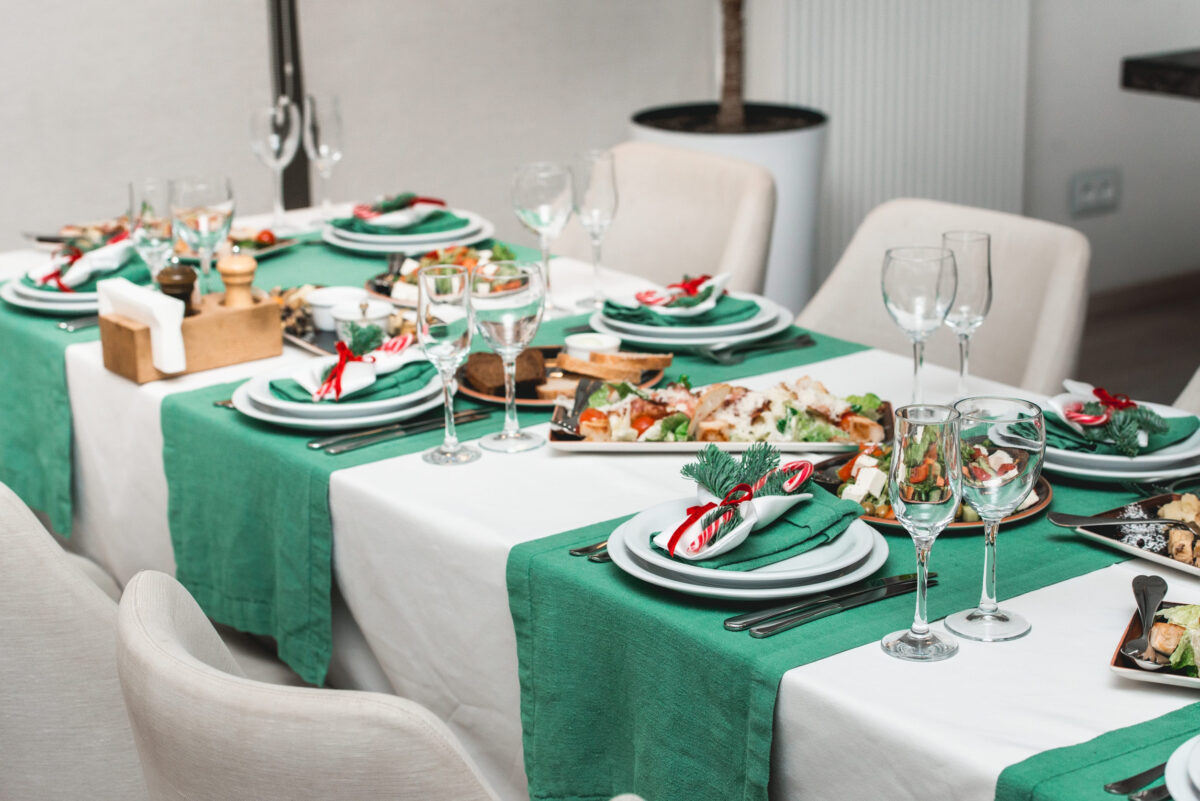
One of the most damaging catering mistakes is assuming guests will eat lightly because the event feels elegant. Weddings are long events. People travel, sit through ceremonies, wait for photos, drink alcohol, dance, socialize, and often go several hours between proper meals. A small portion may look stylish on a tasting plate, but it can feel insulting when served to hungry guests.
Running short on food creates instant discomfort. Guests may not complain directly to the couple, but they notice when plates look thin or when popular dishes disappear before every table is served. A wedding meal should never feel like a controlled rationing exercise. Good catering planning must account for appetite, timing, weather, alcohol, children, dietary needs, and the simple fact that celebration makes people hungry.
Serving Food Too Late

A delayed meal can ruin the entire rhythm of a wedding. Guests may arrive cheerful, patient, and excited, but that mood fades when cocktail hour stretches into confusion and dinner begins much later than promised. Hunger turns even polite people restless. Children become cranky, older guests grow tired, and the dance floor loses energy before it even opens.
Late food also affects everything else on the schedule. Speeches drag because people are waiting to eat. Photos run over because dinner is not ready. The cake-cutting feels rushed because the kitchen fell behind schedule. A professional caterer should know that timing is part of hospitality. Beautiful food served two hours late is still a failure because the guest experience has already been damaged.
Ignoring Dietary Restrictions
Few things make guests feel more forgotten than arriving at a wedding and discovering there is nothing safe or suitable for them to eat. Allergies, vegetarian choices, vegan meals, religious food restrictions, gluten concerns, and medical diets are not minor details. They are basic hospitality responsibilities. Treating them as an afterthought can make a wedding feel careless.
The worst mistake is assuming one bland alternative meal will solve everything. A dry plate of vegetables does not feel thoughtful. A guest with a serious allergy should not have to chase down a server for answers. Couples and caterers need a clear system before the wedding day. Dietary meals should be labeled, confirmed, separated when necessary, and served with the same respect as every other plate.
Choosing Style Over Practicality
Some couples become so focused on aesthetic food trends that they forget guests need food that is easy to eat, easy to serve, and appropriate for the setting. Tiny portions may look glamorous, but they cannot replace a proper meal. Complicated food stations may look exciting, but they can create long lines and confusion. A towering dessert table may photograph well, but it means little if guests cannot access it comfortably.
Food should match the venue, guest count, season, and the day’s flow. Outdoor weddings need food that can withstand the heat. Formal receptions need meals that can be served smoothly. Large weddings need efficient service plans. Catering is not just about taste or appearance. It is about logistics, movement, comfort, and common sense.
Forgetting About Drinks and Hydration

Many weddings focus heavily on alcohol and forget the basics. Guests need water, soft drinks, coffee, and tea, as well as accessible refreshments throughout the event. A beautiful bar means very little if guests wait twenty minutes for a drink or cannot find water after dancing. Poor drink planning makes the reception feel cheaper than it actually is.
Hydration matters even more at outdoor weddings, summer weddings, and ceremonies held before the meal. Guests should not have to hunt for water. Bar service also needs enough staff for the crowd. One bartender serving a large reception creates frustration, long lines, and unnecessary irritation. Drinks are part of catering, and weak drink service can just as much damage the atmosphere as weak food service.
Hiring a Caterer Without Testing Their Real Event Skills
A tasting can be impressive, but it does not prove a caterer can handle a wedding. Cooking for two people in a calm tasting room is very different from feeding one hundred guests on a strict timeline. Some caterers create beautiful sample plates, then struggle with staffing, temperature control, timing, communication, and large-scale service.
Couples should look beyond flavor. They need to ask how the caterer handles delays, allergies, setup, cleanup, rentals, buffet flow, plated service, vendor meals, and emergency backups. A caterer may have good food but poor operations. At a wedding, operations matter deeply. Guests do not care that the chicken tasted perfect at the tasting if it arrives cold, late, or unevenly served on the actual day.
Poor Buffet Management
Buffets can work beautifully, but only when they are managed properly. A badly planned buffet creates long lines, uneven portions, empty trays, cold food, and frustrated guests watching other tables eat first. It can make the reception feel chaotic, especially when there are not enough serving points or staff members guiding the flow.
The biggest buffet mistake is assuming guests will naturally move smoothly. They often will not. People hesitate, ask questions, serve slowly, or take large portions when they fear food may run out. A strong buffet plan includes clear table release timing, multiple stations for large groups, visible labels, enough serving utensils, and staff who refill quickly. Without management, a buffet becomes a bottleneck that steals time from the celebration.
Forgetting Vendor Meals and Staff Coordination

A wedding depends on many working people, including photographers, videographers, DJs, coordinators, musicians, drivers, and planners. Forgetting vendor meals is more than rude. It can affect performance. A photographer who has worked for six hours without food will not have the same energy during the reception. A DJ who cannot step away at the right time may miss key moments.
Staff coordination is equally important. The caterer must communicate with the planner, venue, bar team, and entertainment team. Dinner service should align with speeches, music, photography, and formal moments. When teams do not communicate, guests experience awkward pauses, cold meals, missing plates, and rushed transitions. A wedding works best when catering is integrated into the full event plan, not treated like a separate side operation.
Conclusion
Catering does not ruin weddings because guests expect perfection. It ruins weddings because food is tied to comfort, timing, care, and memory. People may forget the floral arrangements or the chair covers, but they remember being hungry, waiting too long, receiving cold food, or feeling ignored because their dietary needs were dismissed.
The best wedding catering is not always the most expensive or dramatic. It is thoughtful, well-timed, generous, organized, and realistic. Couples should treat catering as one of the most important parts of the guest experience, not just another box on the wedding checklist. A wedding is a celebration of love, but it is also an act of hosting. When the food fails, the hosting fails quietly, and that is exactly why catering deserves serious attention before the big day arrives.