8 Meats Once Popular in America but Now Banned, Restricted, or Illegal
America’s old menus could be surprisingly adventurous. Wealthy diners ordered turtle soup, neighborhood markets sold wild birds, and New York restaurants experimented with whale steaks. Some dishes were luxury symbols, while others appeared when beef, pork, or poultry became expensive.
Many of those foods have now disappeared because of wildlife protections, animal-welfare laws, or restrictions on commercial trade. Not every item below is prohibited nationwide. Some remain illegal only in certain states, while others can be eaten under narrow subsistence, hunting, or scientific exceptions.
Here are eight meats that once reached American tables but could now put a seller, restaurant, hunter, or importer on the wrong side of the law.
Horse meat
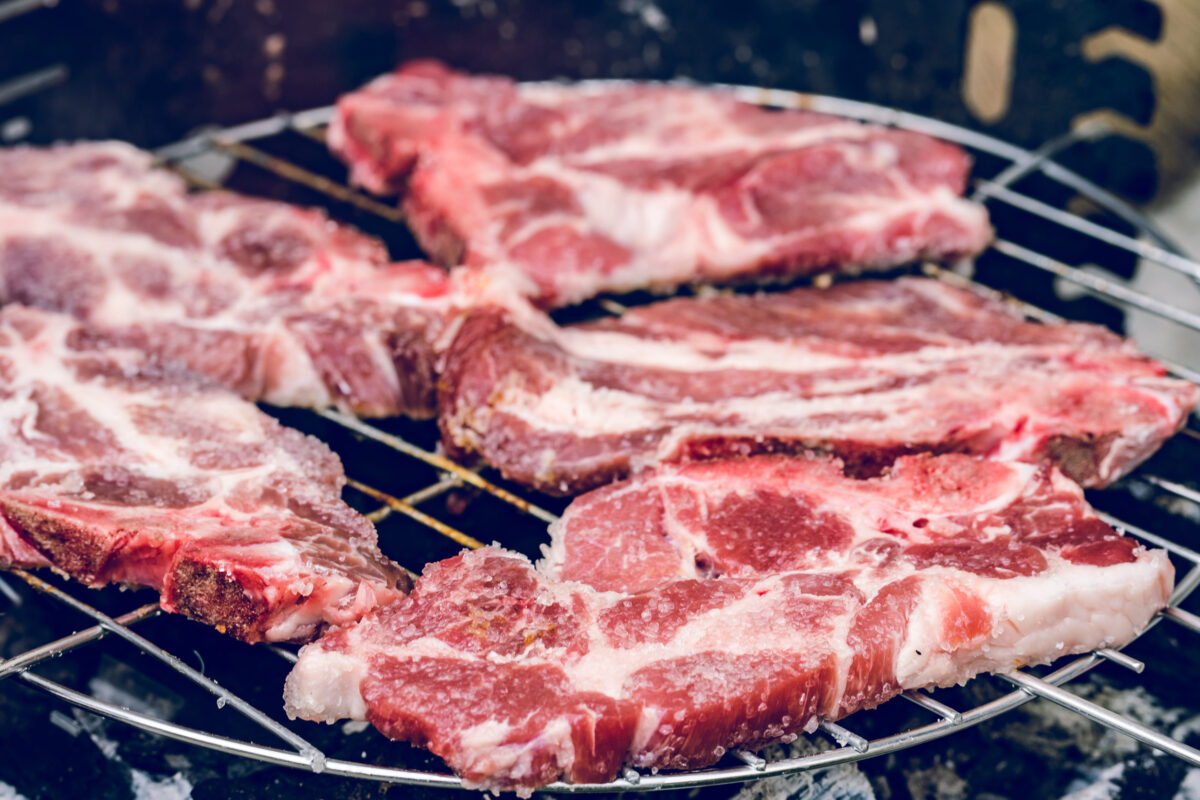
Horse meat never replaced beef in the United States, but Americans repeatedly considered it during food shortages and periods of high meat prices. In 1875, Scientific American even argued that eating horses could expand the country’s food supply and reduce waste. Horse meat also attracted renewed attention during the world wars and later economic crises.
Today, horse meat is not completely prohibited under federal law, but commercial production faces major legal and regulatory barriers. Several states impose their own restrictions.
California has one of the clearest bans. State law prohibits offering horse meat for human consumption in restaurants or other public eating places. It also criminalizes possessing, buying, selling, or transporting horses when the person knows the animals will be killed for human food.
That means a horse steak that once appeared during desperate economic periods could now lead to serious criminal penalties in California.
Whale meat
America built one of history’s most powerful whaling industries, although most commercial whalers wanted oil and baleen rather than dinner. Still, whale meat periodically entered the food market.
During World War I, the federal government encouraged Americans to try whale meat as a substitute for scarce livestock. The campaign largely failed, but another marketing effort followed in the 1950s. Frozen Norwegian whale steak was sold at Macy’s and served in several New York restaurants. One importer reportedly brought approximately 80,000 pounds into the country in 1951.
That experiment would be nearly impossible today. The Marine Mammal Protection Act generally prohibits taking, importing, possessing, transporting, purchasing, or selling whales and other marine mammals or their products.
Limited exceptions exist, including certain Alaska Native subsistence activities, scientific permits, and specimens obtained before the law took effect. For ordinary restaurants and consumers, however, whale meat is firmly off the menu.
Green sea turtle meat
Turtle soup was once a centerpiece of American fine dining. During the 19th and early 20th centuries, restaurants advertised the arrival of enormous green sea turtles, which were butchered for rich soups flavored with spices, wine, and other meats.
The dish appeared at presidential gatherings, fashionable hotels, private clubs, and expensive restaurants. Its status became so powerful that mock turtle soup, usually made with veal or calf’s head, emerged for diners who could not obtain the real thing.
But relentless harvesting helped drive sea turtle populations downward. All sea turtles found in U.S. waters are now protected as threatened or endangered under the Endangered Species Act.
Federal law generally prohibits killing, possessing, selling, transporting, importing, or exporting protected sea turtles. Authentic green sea turtle soup is therefore illegal for ordinary commercial sale in the United States. Modern turtle soup served in places such as Louisiana usually relies on legally sourced snapping turtle meat, not protected sea turtles.
Diamondback terrapin meat
The diamondback terrapin was another victim of America’s turtle-soup obsession. Found in coastal marshes and brackish waters, the small turtle became a luxury food among wealthy diners from the mid-1800s through the early 20th century.
Terrapin soup was often prepared with cream, butter, eggs, and sherry. Demand became so intense that terrapins went from inexpensive coastal food to a delicacy that could cost the modern equivalent of roughly $100 per turtle.
Overharvesting devastated wild populations. Today, coastal states protect the species through various restrictions. Maryland, where terrapin dishes once carried enormous culinary prestige, does not allow diamondback terrapins to be taken from the wild. Massachusetts and Maryland have also been identified as states with total harvest bans.
Some captive-bred or legally obtained reptiles may be handled under permits, but taking a wild Maryland terrapin for an old-fashioned dinner is prohibited.
Robin meat
A backyard robin may not look like dinner today, but 19th-century American cookbooks told a different story.
One 1890 recipe instructed cooks to place 10 or 12 robins over layers of beef and bacon, season them with herbs, cover everything with pastry, and bake the mixture into robin pie. Historical accounts show that wild songbirds were regularly sold in city markets alongside larger game animals.
That recipe is now legally dangerous. American robins are protected under the Migratory Bird Treaty Act, which prohibits unauthorized killing, capturing, possessing, selling, purchasing, trading, or transporting protected migratory birds.
Scientific, educational, rehabilitation, and other specialized activities may receive permits. Baking a robin pie for dinner is not one of the ordinary exceptions.
Commercially sold wild duck and goose meat
Wild ducks and geese once filled American markets in enormous numbers. Before modern conservation laws, professional hunters killed waterfowl for restaurants, hotels, and city meat dealers. Birds could be hunted during nesting seasons, shipped by rail, and sold far from the wetlands where they were killed.
The scale of the market helped push waterfowl populations toward collapse. A historical Fish and Wildlife Service report noted that ducks, geese, and even songbirds were once sold throughout many parts of the country.
Hunting wild ducks and geese remains legal during regulated seasons, but federal law generally prohibits selling migratory game birds taken by hunters. A hunter may eat or share legally harvested birds within applicable rules, but cannot operate like the commercial market hunters of the 1800s.
Farm-raised ducks and geese are different. Domestic varieties are exempt from the Migratory Bird Treaty Act and may be legally raised and sold as food.
Shark fins
For decades, shark-fin soup appeared at weddings, banquets, and restaurants across several American cities. The fins were valued less for flavor than for their unusual texture and association with wealth, hospitality, and celebration.
Growing concern about shark finning pushed states to restrict the trade. Congress later enacted a nationwide prohibition through the Shark Fin Sales Elimination Act, which became effective on December 23, 2022.
The federal law generally prohibits possessing, purchasing, selling, receiving, or transporting detached shark fins or products containing them. Narrow exceptions apply to certain dogfish species, scientific research, lawful disposal, and noncommercial subsistence uses.
The restriction does not make all shark meat illegal. Lawfully caught sharks may still enter commerce under applicable fishery rules, particularly when landed with their fins naturally attached. What disappeared from ordinary trade was the detached fin that supplied traditional shark-fin soup.
Foie gras
Foie gras, the enlarged liver of a duck or goose, became a prized item in American fine dining. Chefs served it seared, chilled, whipped into mousse, or paired with fruit and expensive wine. Unlike whale or sea turtle meat, foie gras is not federally prohibited. Its legal status depends heavily on location and production method.
California law prohibits selling a product created by force-feeding a bird to enlarge its liver beyond normal size. The ban has survived years of court challenges, although disputes have continued over deliveries, interstate transactions, and exactly where a sale occurs.
Other cities have pursued similar measures. Portland, Oregon, approved a foie gras sales ban in June 2026, while New York City’s long-running ban remained tied up in litigation and appeals during 2026. Foie gras remains legal in much of the country, but in places enforcing bans, a dish once associated with glamorous tasting menus can no longer be legally sold.
America’s changing appetite
These foods did not vanish for one simple reason. Some disappeared because uncontrolled hunting threatened entire species. Others became illegal because voters and lawmakers rejected particular methods of raising or killing animals.
The legal details also matter. Farm-raised duck remains legal even though wild market-hunted duck cannot be sold. Snapping turtle soup may be lawful while green sea turtle soup is federally prohibited. Shark meat can be sold under regulated conditions, but detached shark fins generally cannot.
America’s food history is filled with dishes that once looked ordinary, sophisticated, or even patriotic. Today, many survive only in old cookbooks and museum menus, reminders that public taste can change quickly, but the law can change a dinner plate forever.