10 Corner-Store Staples Americans Once Bought Without Thinking That Are Now Nearly Gone
There was a time when a quick corner-store stop could solve almost everything. You could pick up groceries, grab a newspaper, buy a stamp, settle a tab, and leave with a bag of everyday essentials.
Today, many of those routines have moved somewhere else. Supermarkets, packaged goods, online services, and digital tools have changed how Americans shop, turning some once-common corner-store habits into memories.
These items are not all completely gone. Some still exist in specialty shops or independent stores. But they are no longer the everyday neighborhood staples they once were.
Groceries Scooped From Barrels
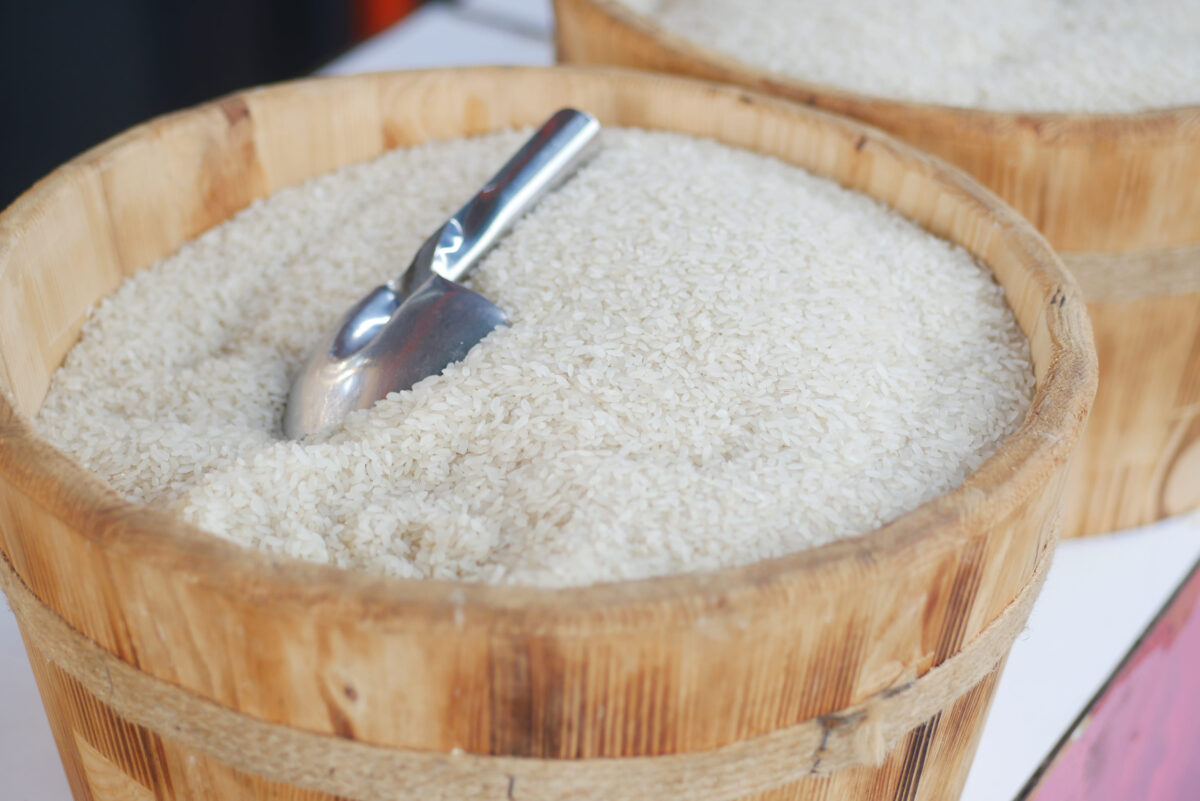
Before standardized bags and modern packaging became the norm, some pantry staples were sold differently. Flour, sugar, beans, and other basics could be measured out by a clerk from bulk containers.
The appeal was simple: shoppers bought the amount they needed, and the store handled the measuring. Today, most grocery trips involve prepackaged products instead of a clerk filling a customer’s order.
Pickles Plucked From a Barrel
Barrel pickles were once a familiar sight at small grocery stores. Customers could choose individual pickles or have portions prepared by a store clerk instead of grabbing a sealed jar from a shelf.
The experience was as much about the store interaction as the food itself. While barrel pickles can still be found in some places, they are no longer a standard corner-store purchase.
Related: 6 Grocery Traditions From The ’80s That Don’t Exist Anymore
Cheese Sliced and Weighed at the Counter
Buying cheese used to involve more than picking up a package. Customers could request a specific amount from a wheel or block, with the store cutting and weighing it at the counter.
Self-service grocery sections changed that routine by making packaged dairy products easier to grab and take home. Counter service still exists in some markets, but it is no longer the default.
Penny Candy
Candy has not disappeared, but the idea behind penny candy has. Corner stores and five-and-dimes once sold individual pieces for tiny amounts, allowing customers to make small purchases with just a few coins.
Inflation changed what those coins could buy, and the phrase “penny candy” became more of a nostalgic reference than an everyday shopping option.
Loose Pipe Tobacco
Buying tobacco by weight was once a familiar small-shop transaction. Customers could purchase loose pipe tobacco rather than only choosing from prepackaged products.
Changes in tobacco habits, regulations, and retail patterns have made this type of purchase much less common in ordinary neighborhood stores.
Store-Credit Tabs
The phrase “put it on the book” reflects an older way of shopping. Customers could buy items from a local grocer and settle the bill later, often around payday.
That informal trust-based system became less common as card payments, formal credit options, and larger retail chains changed how people paid for everyday purchases.
Daily Newspapers From a Rack
For many people, grabbing a newspaper was part of a regular morning routine. Newspaper boxes and racks outside stores made it easy to pick up the latest edition during an ordinary errand.
As more readers moved online and print circulation declined, those familiar street racks became much less common.
Postage-Stamp Vending Machines
Buying stamps once could be as simple as using a vending machine. The Post Office began experimenting with stamp machines in 1905, and thousands were in service decades later.
USPS eventually phased out stamp-vending operations after the late 2000s as the machines became outdated and costly to maintain. Today, stamps are more commonly purchased through other retail and digital options.
Phone Books
Before search engines and smartphones, phone books were a basic household tool. White Pages and Yellow Pages helped people find phone numbers, businesses, and services.
Today, finding a restaurant, contractor, or contact usually starts with a digital search instead of flipping through a thick printed directory.
Clerk-Served Grocery Orders
The old corner store was not just a place with shelves. Customers could give an order to a shopkeeper, who collected the items from behind the counter.
Self-service grocery shopping changed the entire retail experience. Early self-service stores, including Piggly Wiggly’s first self-service grocery store in 1916, helped create a model that eventually became the standard for modern supermarkets.
Why These Corner-Store Habits Faded
The disappearance of these traditions was not caused by one single change. Shopping became more focused on packaged products, larger stores, convenience, and digital services.
The corner store once acted as a neighborhood marketplace and service stop all at once. It could provide groceries, personal service, payment flexibility, and small everyday errands in one visit.
Some of these experiences still survive. Bulk goods, counter-cut cheese, barrel pickles and informal store credit can still appear in specialty shops or independent markets.
But for many Americans, the idea of buying a pickle from a barrel, calling in a grocery order to a clerk, or grabbing a newspaper on the way home now belongs to a different era of shopping.